Carnac, Quiberon & the Gulf of Morbihan photographers, ready to book
Brittany
Wedding Photographer in Carnac, Quiberon & the Gulf of Morbihan
This corner of Brittany gives a wedding three backdrops in one day — standing stones on the heath, an Atlantic cliff coast, and the ramparts and gardens of Vannes.
Wedding Photographer in Carnac
This corner of Brittany gives a wedding three backdrops in one day — standing stones on the heath, an Atlantic cliff coast, and the ramparts and gardens of Vannes.
1 photographer ready to shoot in Carnac
About Carnac, Quiberon & the Gulf of Morbihan
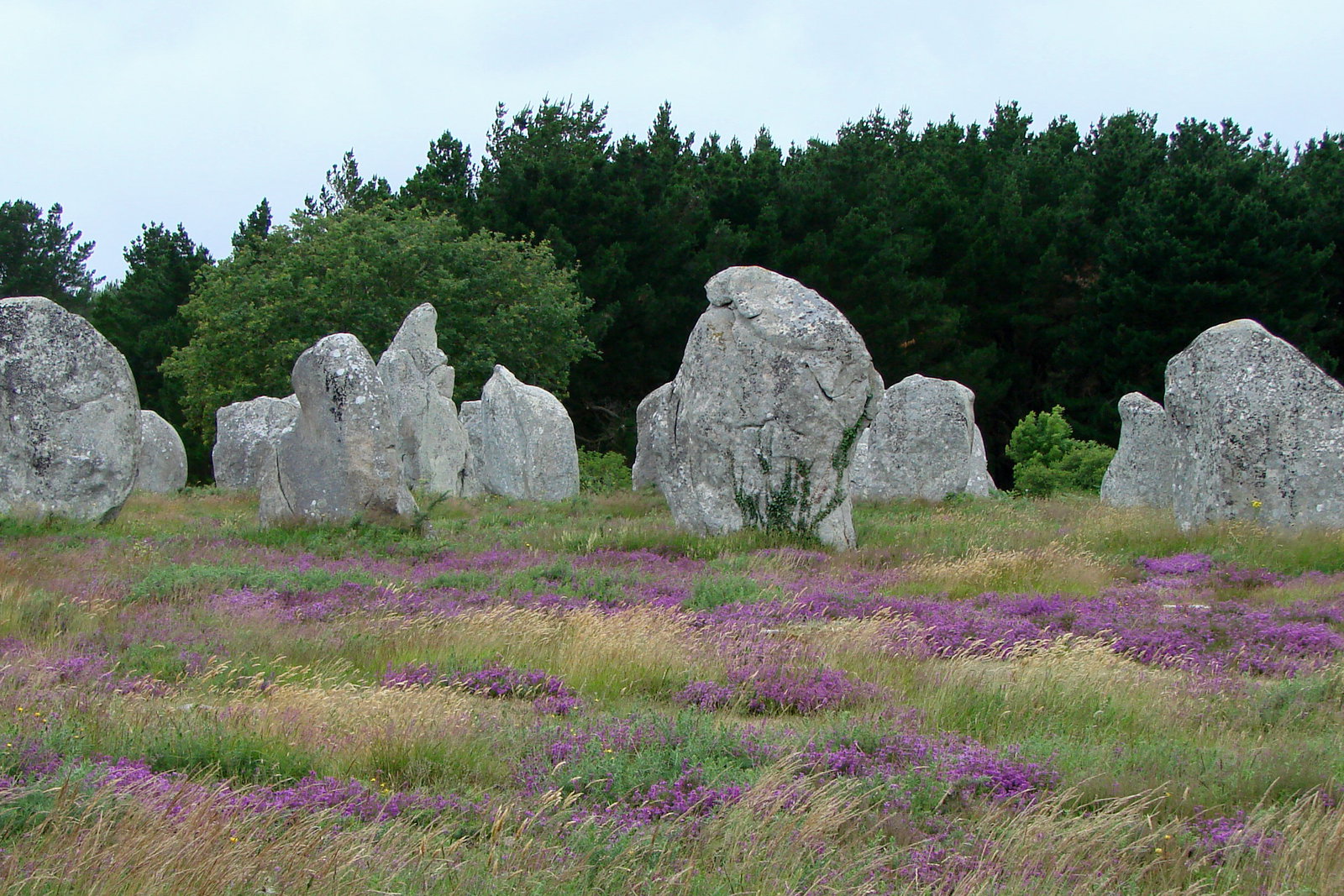
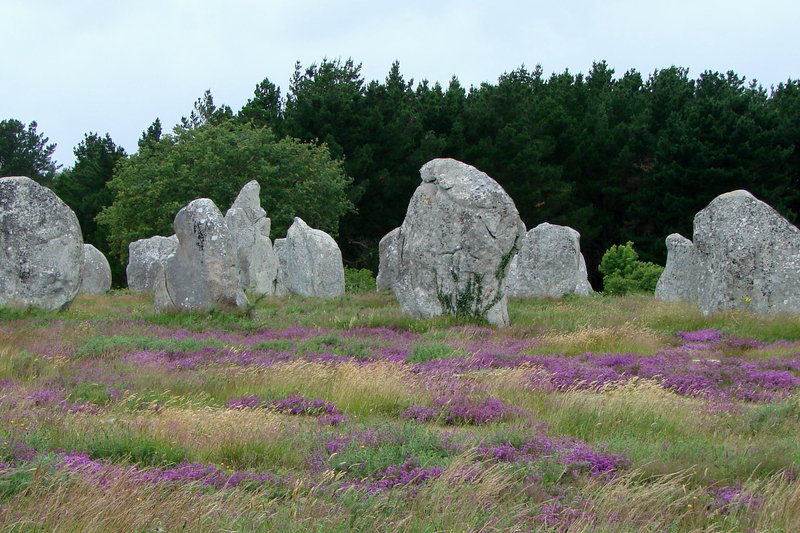
This is southern Brittany in one drive, and the three halves of it look nothing alike. Carnac comes first: about three thousand menhirs set in parallel rows across four kilometres of heath, raised between roughly 4500 and 3300 BC and joined to the UNESCO World Heritage List in July 2025. The alignments are grouped into three fields — Le Ménec at the western end, Kermario in the middle with the biggest stones, Kerlescan beyond — and the practical detail nobody mentions is that they are fenced through the growing season to protect the heath, so from spring to early autumn a session photographs them from the perimeter path or joins a guided walk from the Maison des Mégalithes; in winter the gates open and you walk among them. Fifteen minutes south the land narrows to the Quiberon peninsula, a sand isthmus barely a hundred metres wide in places, with the Côte Sauvage running down its western edge: low granite cliffs, arches, blowholes and a swell that comes straight off the Atlantic. It is a walking coast, not a swimming one — the currents there are lethal and signposted as such. East of Carnac the mood changes completely in the Gulf of Morbihan, a shallow inland sea scattered with wooded islands, oyster racks and moored boats, best seen from the water or from the low headlands around Larmor-Baden. Vannes closes the circle: half-timbered houses leaning over Place Henri IV, a complete ring of ramparts and, below them, formal gardens laid out along the moat. Seasons are simple here — late August and September put purple heather and yellow gorse into the Carnac frames and keep the light long, July and August fill Quiberon, and winter is windy, empty and often beautiful.
Other photoshoots in Carnac
Choose your photographer
Browse the wedding photographers covering Carnac, Quiberon & the Gulf of Morbihan — portfolios, ratings and reviews. Wedding coverage is quoted per couple: open a profile and start the conversation.
Only 1 photographer available in Carnac right now
These photographers are usually fully booked — especially on weekends and during peak season. Book now to secure your preferred date.
Four Steps to Stunning Photos
From booking to delivery — we make professional photography effortless
Choose Your Path
Browse photographer profiles yourself and pick your favorite — or tell us your preferences and let our team hand-pick the perfect match for you.
Self-service or concierge — your choice
Book Instantly
Pick your date, choose a package, and book your session in minutes. Chat with your photographer to plan the details.
Secure payment with Apple Pay & Google Pay
Enjoy Your Shoot
Meet your photographer at the perfect location. Relax, be yourself, and let them capture your best moments.
Average session: 1-2 hours
Get Your Photos
Receive professionally edited photos in a private, password-protected gallery. View online, download individually, or grab the full ZIP.
Secure gallery with password protection
Your Money is Protected
Powered byWhen you book a session, your payment is securely held by Stripe — not charged to the photographer. The money is only released after you receive your edited photos and confirm you're happy with them. If something goes wrong, you can open a dispute and get a full refund. Zero risk.
Top Photo Spots in Carnac
The most photogenic locations for your Carnac, Quiberon & the Gulf of Morbihan photoshoot
The Ménec and Kermario alignments
Rows of standing stones running for kilometres across the heath — the largest concentration of megaliths in the world, and purple with heather in September.
Best time: Sunrise or the last hour; late August and September for purple heather
Shoot along the rows, not across them. The fields are fenced through the growing season — check access and guided-walk times with the Maison des Mégalithes before your date.
The Côte Sauvage, Quiberon
Ten kilometres of low granite cliff, arches and blowholes down the western side of the Quiberon peninsula, with Atlantic swell arriving unbroken.
Best time: The last two hours of daylight, with the sun over the water; mornings are calmer and empty
Park along the D186 and walk in — the path runs the whole coast. Swimming is banned here and the currents are lethal; stay on the rock above the wave line.
The Gulf of Morbihan from Larmor-Baden
A shallow inland sea of wooded islands, oyster racks and moored boats — seen from the low headlands and shore path west of Vannes.
Best time: Late afternoon into golden hour; high tide for blue water, low tide for boats and oyster racks
Walk the fifteen minutes to the Pointe du Berchis for the island view without a boat. Ferry and gulf-tour timetables move with the season — check the day before.
Vannes: the old town and the ramparts gardens
Half-timbered houses leaning over the lanes, a complete ring of medieval walls, and formal gardens laid out along the moat below them.
Best time: The lanes before ten in the morning; the ramparts gardens in the afternoon
Park outside the walls — the centre is pedestrian. For the classic frame, shoot the gardens from the Promenade de la Garenne, not from inside the moat.
Frequently asked questions
How far in advance should we book a wedding photographer in France?
For peak-season dates — May through September, and especially Saturdays in Provence, the Loire or on the Riviera — book 6-12 months ahead. The best-reviewed photographers are often the first vendors to sell out after the venue itself. Shoulder-season and weekday weddings are far more flexible; three to four months is usually comfortable. If your date is closer than that, don't assume it's hopeless: availability shifts, and Photo France can check the whole vetted roster for your date at once instead of you emailing photographers one by one. When comparing, look at full wedding galleries rather than portfolio highlights — how a photographer handles a candlelit château dinner tells you more than their best ten frames.
How many hours of coverage do we need?
Work backwards from the moments you can't lose. An intimate ceremony with dinner fits in 4-5 hours: preparations, vows, couple portraits at golden hour, first toasts. A classic full wedding day — getting ready through the first dances — runs 8-10 hours. French weddings run famously long: dinner often starts at 9pm, the pièce montée arrives near midnight and the dancing goes until dawn; if your party will peak at 2am, budget coverage for it or arrange a set finishing time you're at peace with. One France-specific tip: in June and July the sun sets after 9:30pm, so schedule couple portraits around that golden window rather than the ceremony's end — your photographer will plan the whole timeline around it. Discuss your running order with your photographer and they'll recommend honest hours, not maximum hours.
Do photographers travel to any venue in France?
Yes — château and countryside weddings are the norm here, and photographers are used to travelling. Many are based in Paris, Lyon, Bordeaux or Nice and take the TGV or drive out to Provence, the Loire, Normandy and the Alps routinely; others live in the wedding regions themselves. For remote venues, travel and accommodation costs are quoted transparently up front — for a Saturday wedding at a bastide deep in the Luberon, expect the photographer to arrive the day before rather than gamble on morning traffic, and that overnight stay appears in the quote. When you enquire through Photo France, mention the region and venue in the first message; we'll prioritise photographers already near your venue, which trims cost and adds local knowledge of the light and the layout.
How much does a photoshoot in Carnac and the Gulf of Morbihan cost?
Professional photoshoots here start from €310. Packages vary by duration and the number of edited photos — a one-hour session usually stays in one place, the alignments or one stretch of the Quiberon coast, while a two-hour booking has time to link Carnac with the gulf shore or with the Vannes ramparts. Driving between the three takes real time, so agree the route when you book.
What are the best photo spots around Carnac and Quiberon?
The Ménec and Kermario alignments for the standing stones, seen along the rows from the perimeter path; the Côte Sauvage on the western side of the Quiberon peninsula for cliffs and Atlantic swell; the low headlands at Larmor-Baden for the wooded islands of the gulf; and Vannes for half-timbered houses, the ramparts and the formal gardens laid out below them.
When is the best time of day and year for photos here?
First light and the last two hours before sunset — in June that means before eight in the morning or after nine at night, because Breton summer days run long. Late August and September put purple heather and yellow gorse into the Carnac frames and thin the July crowds. Winter is windy and often grey, but the alignments are open and empty then.
Ready to book your wedding photographer in Carnac?
Browse verified photographers and book in minutes — no commitment, money-back guarantee.