Photo spot in Carnac, Quiberon & the Gulf of Morbihan
The Gulf of Morbihan from Larmor-Baden
A shallow inland sea of wooded islands, oyster racks and moored boats — seen from the low headlands and shore path west of Vannes.
About The Gulf of Morbihan from Larmor-Baden
Get directionsThe Gulf of Morbihan is a shallow inland sea about twenty kilometres across, connected to the Atlantic by a single narrow mouth and scattered with wooded islands — locals say as many as there are days in the year, which is generous but conveys the impression. Water, pine, low granite and moored boats, all of it in a soft light quite unlike the open coast fifteen minutes west.
Larmor-Baden is the easiest way in on foot. The village sits on the northern shore with a small harbour, and the coast path runs out to the Pointe du Berchis, where the ground drops to a shingle shore and the islands stack up across the water. It is a fifteen-minute walk from the car park, and it gives the classic gulf frame without a boat.
High water and low water are two different photographs. At high tide the islands sit in blue water and the frame is calm; at low tide the mud and oyster tables come out, boats lean over and the whole thing turns into texture. Neither is better — just know which you are getting.
Boats leave Larmor-Baden, Vannes, Port-Navalo and Locmariaquer for tours of the gulf and for the Île aux Moines and the Île d'Arz, which both allow easy walking on shore. The cairn of Gavrinis, on its own island opposite Larmor-Baden, is a ticketed guided visit with a separate crossing. Timetables and sailing days change with the season and the weather — check before building a session around one.
Best time to shoot
Late afternoon into golden hour; high tide for blue water, low tide for boats and oyster racks
Tips
Walk the fifteen minutes to the Pointe du Berchis for the island view without a boat. Ferry and gulf-tour timetables move with the season — check the day before.
Photographers who shoot at The Gulf of Morbihan from Larmor-Baden
Hand-picked professionals working in Carnac, Quiberon & the Gulf of Morbihan
Other spots in Carnac, Quiberon & the Gulf of Morbihan
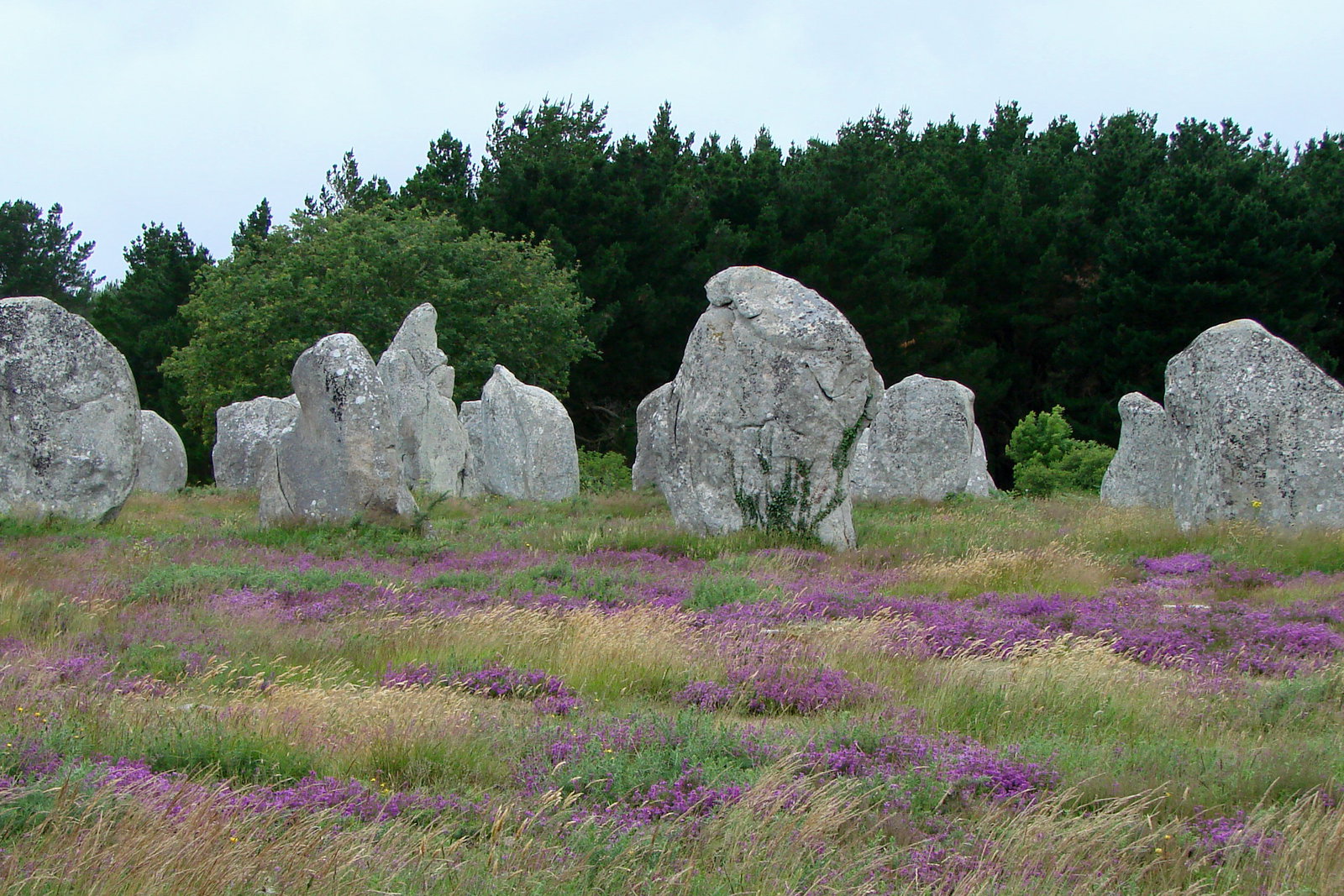
The Ménec and Kermario alignments
Rows of standing stones running for kilometres across the heath — the largest concentration of megaliths in the world, and purple with heather in September.
The Côte Sauvage, Quiberon
Ten kilometres of low granite cliff, arches and blowholes down the western side of the Quiberon peninsula, with Atlantic swell arriving unbroken.
Vannes: the old town and the ramparts gardens
Half-timbered houses leaning over the lanes, a complete ring of medieval walls, and formal gardens laid out along the moat below them.
Ready to book?
Our concierge team will hand-pick 2-3 photographers who know The Gulf of Morbihan from Larmor-Baden — free of charge.