Photo spot in Carnac, Quiberon & the Gulf of Morbihan
The Côte Sauvage, Quiberon
Ten kilometres of low granite cliff, arches and blowholes down the western side of the Quiberon peninsula, with Atlantic swell arriving unbroken.
About The Côte Sauvage, Quiberon
Get directionsThe Quiberon peninsula is a fourteen-kilometre finger of land joined to Brittany by a sand isthmus barely a hundred metres wide in places. Its western edge is the Côte Sauvage, and the name is accurate: low dark granite cut into stacks, arches and blowholes, heath on top, and swell that has crossed the Atlantic without meeting anything.
The coast path runs the whole length, so you choose your frame by parking at one of the pull-offs along the D186 and walking two minutes. The most photographed sections are around Port Blanc and the Pointe du Percho, where the rock arches out into the water. Shoot with the sea behind for the classic windswept portrait, or from the path above looking down the coast for the full run of headlands.
Light comes from the right side here: the coast faces west, so the last two hours of the day put the sun straight into the frame and turn the spray gold. Mornings are flat but calm and empty. Overcast is not a problem on this coast — grey sky over white water is what the place actually looks like most of the year.
Two warnings that matter. Swimming and even paddling are forbidden along the Côte Sauvage: the currents drown people every year and the signs are not decoration. And the wind is constant, so plan hair, dresses and light stands around it rather than fighting it.
Best time to shoot
The last two hours of daylight, with the sun over the water; mornings are calmer and empty
Tips
Park along the D186 and walk in — the path runs the whole coast. Swimming is banned here and the currents are lethal; stay on the rock above the wave line.
Photographers who shoot at The Côte Sauvage, Quiberon
Hand-picked professionals working in Carnac, Quiberon & the Gulf of Morbihan
Other spots in Carnac, Quiberon & the Gulf of Morbihan
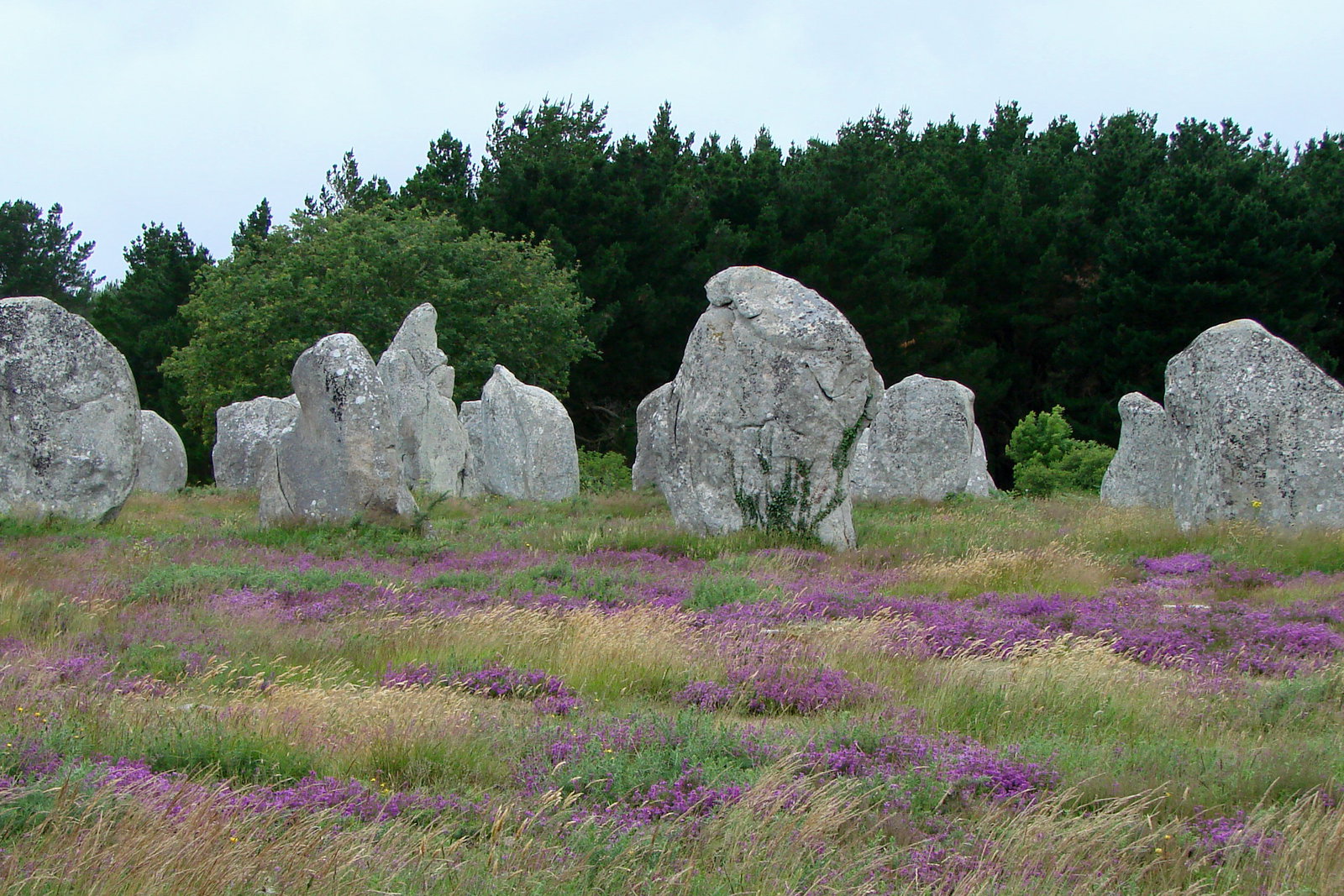
The Ménec and Kermario alignments
Rows of standing stones running for kilometres across the heath — the largest concentration of megaliths in the world, and purple with heather in September.
The Gulf of Morbihan from Larmor-Baden
A shallow inland sea of wooded islands, oyster racks and moored boats — seen from the low headlands and shore path west of Vannes.
Vannes: the old town and the ramparts gardens
Half-timbered houses leaning over the lanes, a complete ring of medieval walls, and formal gardens laid out along the moat below them.
Ready to book?
Our concierge team will hand-pick 2-3 photographers who know The Côte Sauvage, Quiberon — free of charge.