What to Wear for a Paris Photoshoot: The Complete 2026 Guide
Paris quietly does half of your styling work for you. The backdrop barely changes across the centre of the city: cream Haussmann limestone, grey zinc rooftops, black wrought-iron balconies, pale bridges over a grey-green river. Once you know that, choosing an outfit stops being guesswork and becomes a simple matching exercise. This guide is built on what photographers here see through the lens every week — which colours hold up against the stone, which fabrics move, why a 7am start needs a coat, and what cobblestones do to heels. No brochure fluff, just what works in 2026.
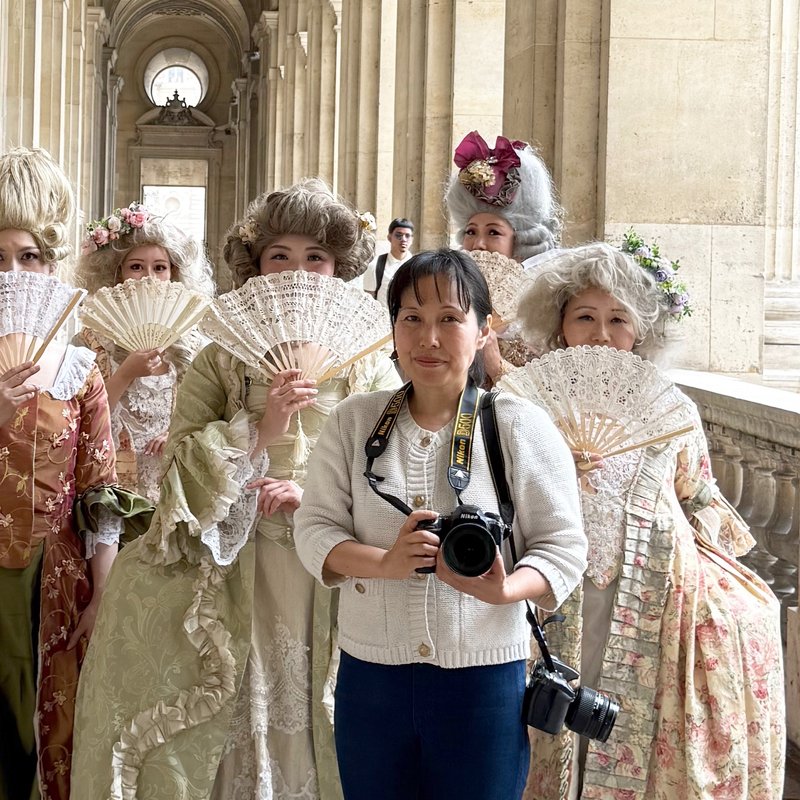
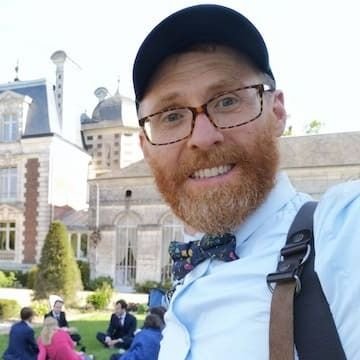
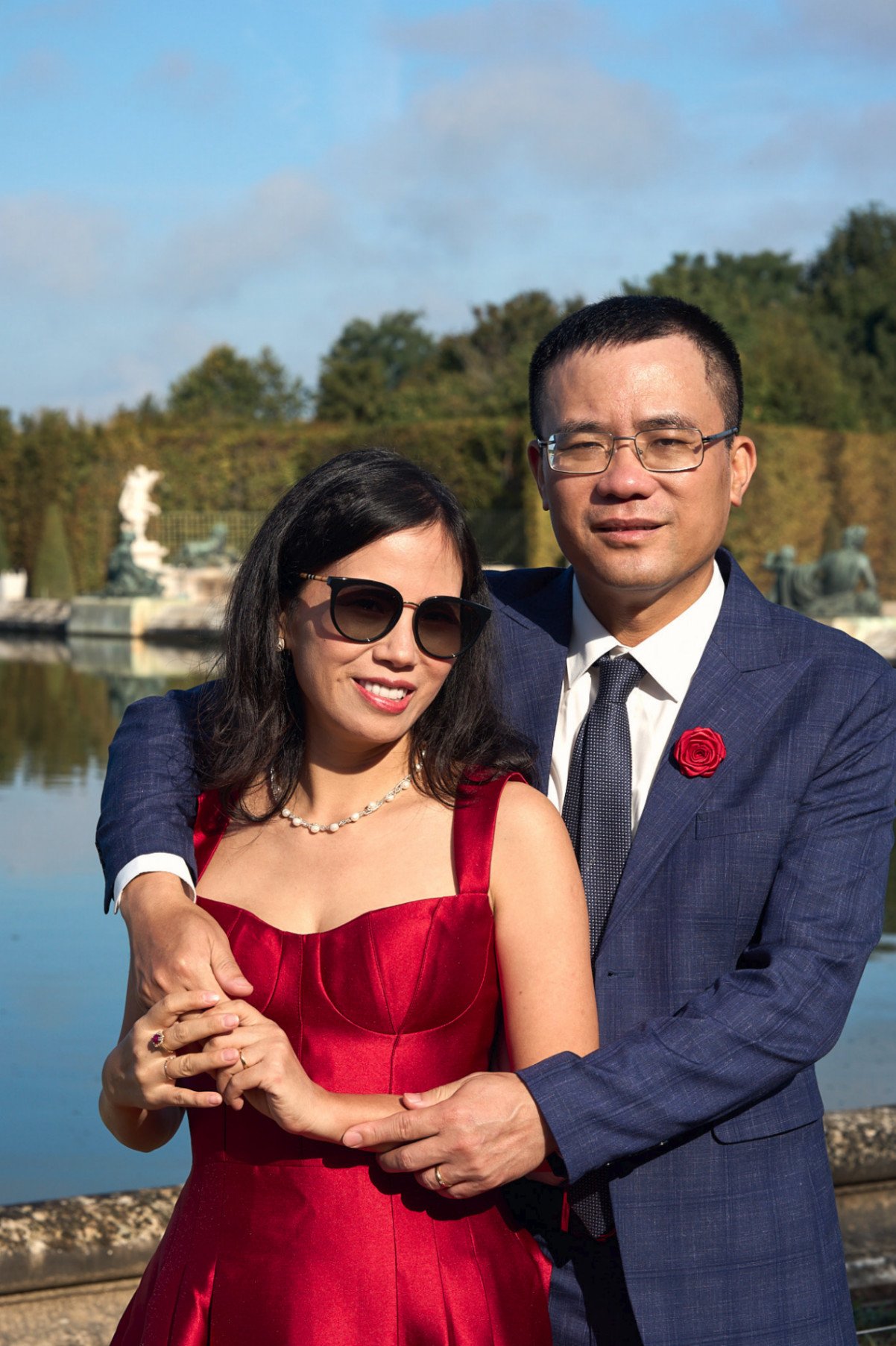
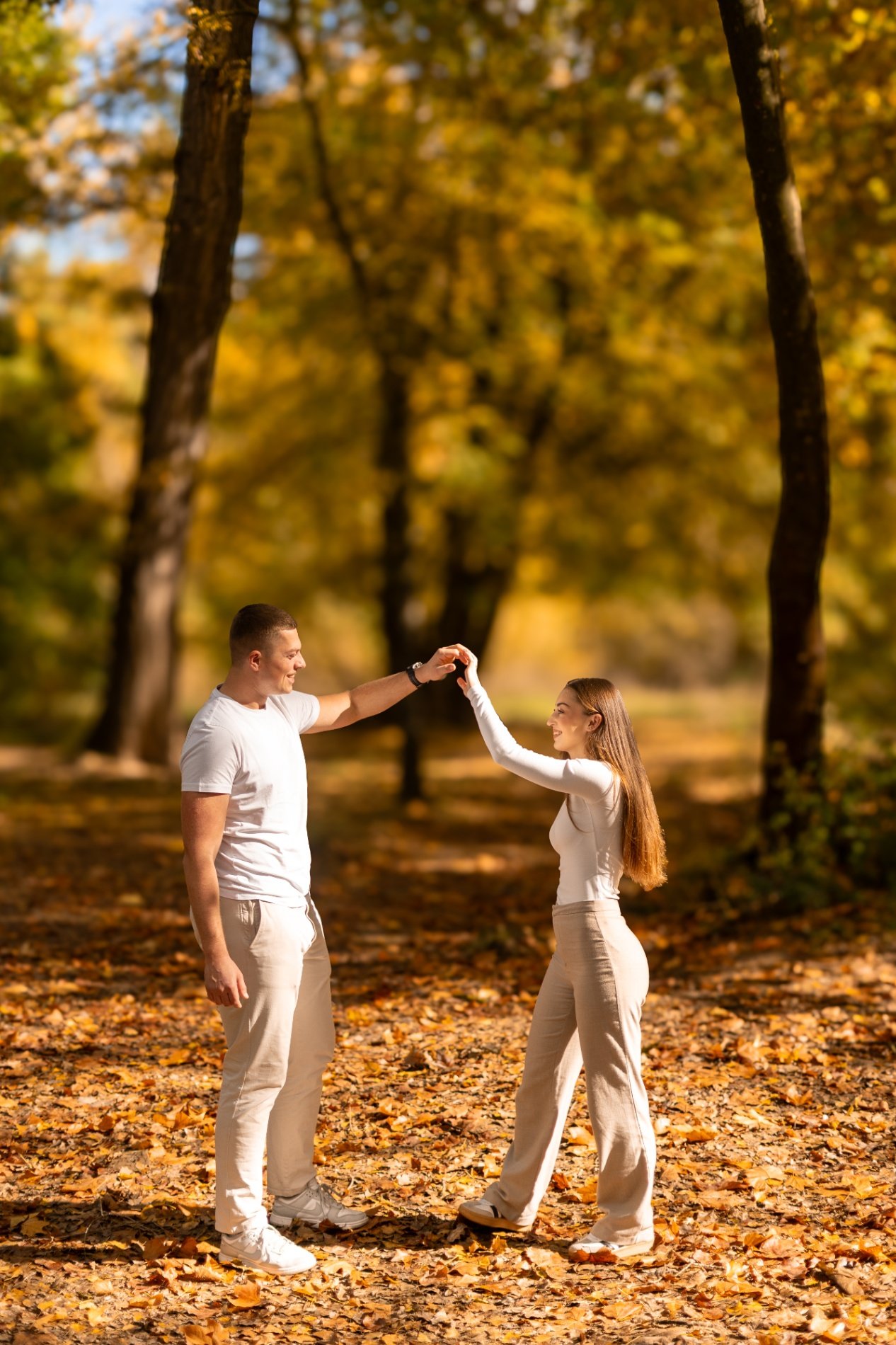
Real shots from Paris
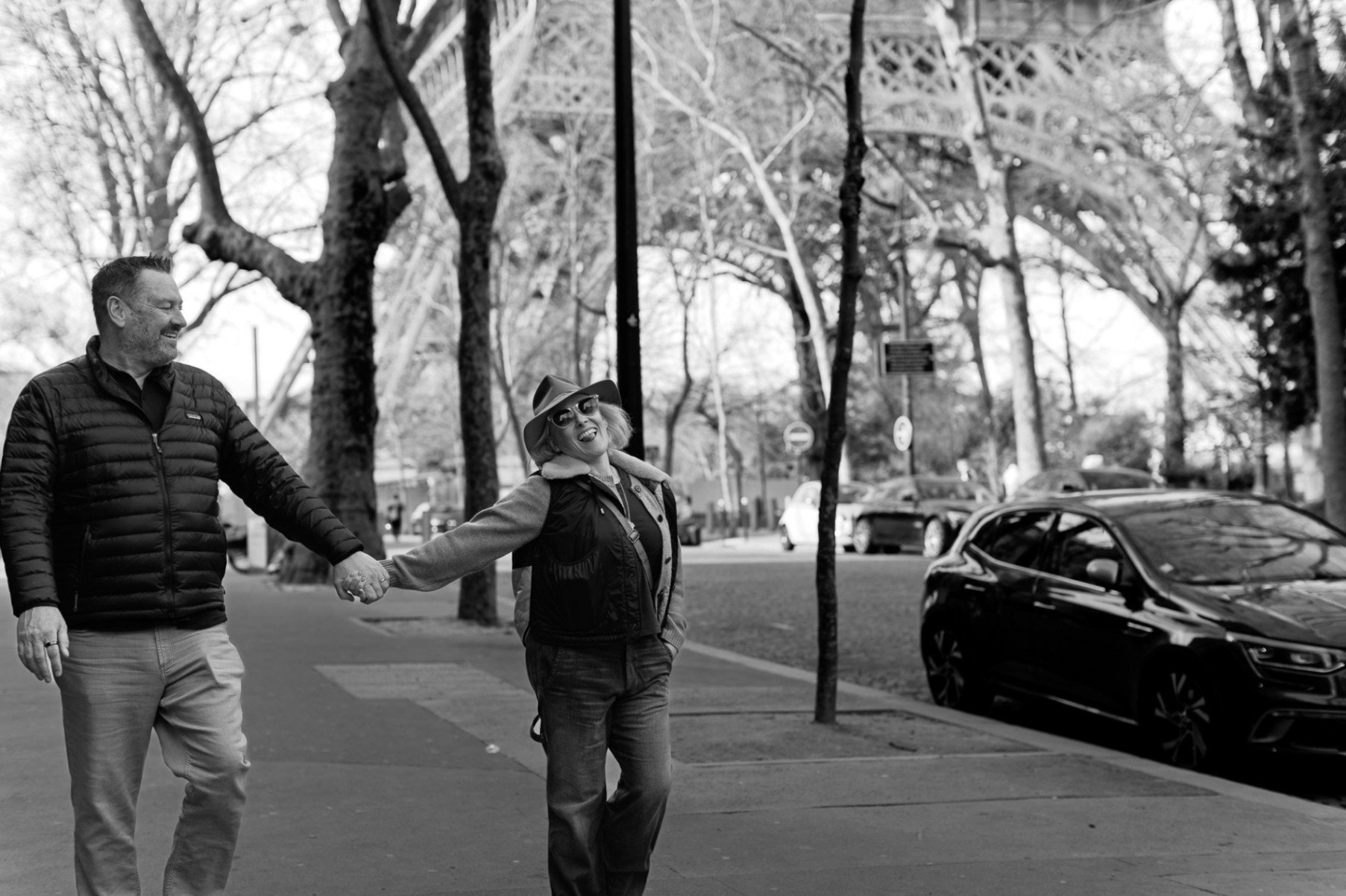
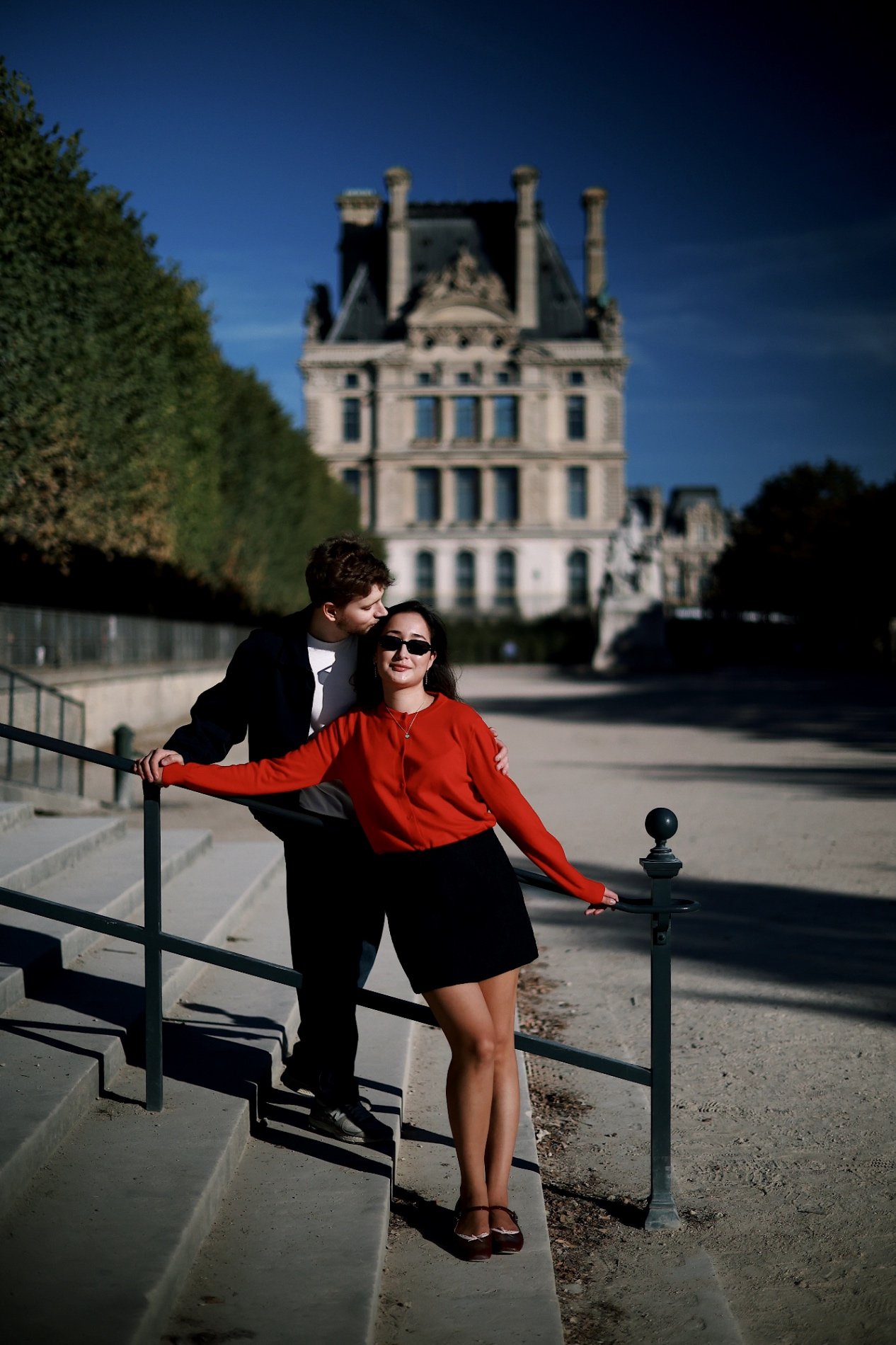
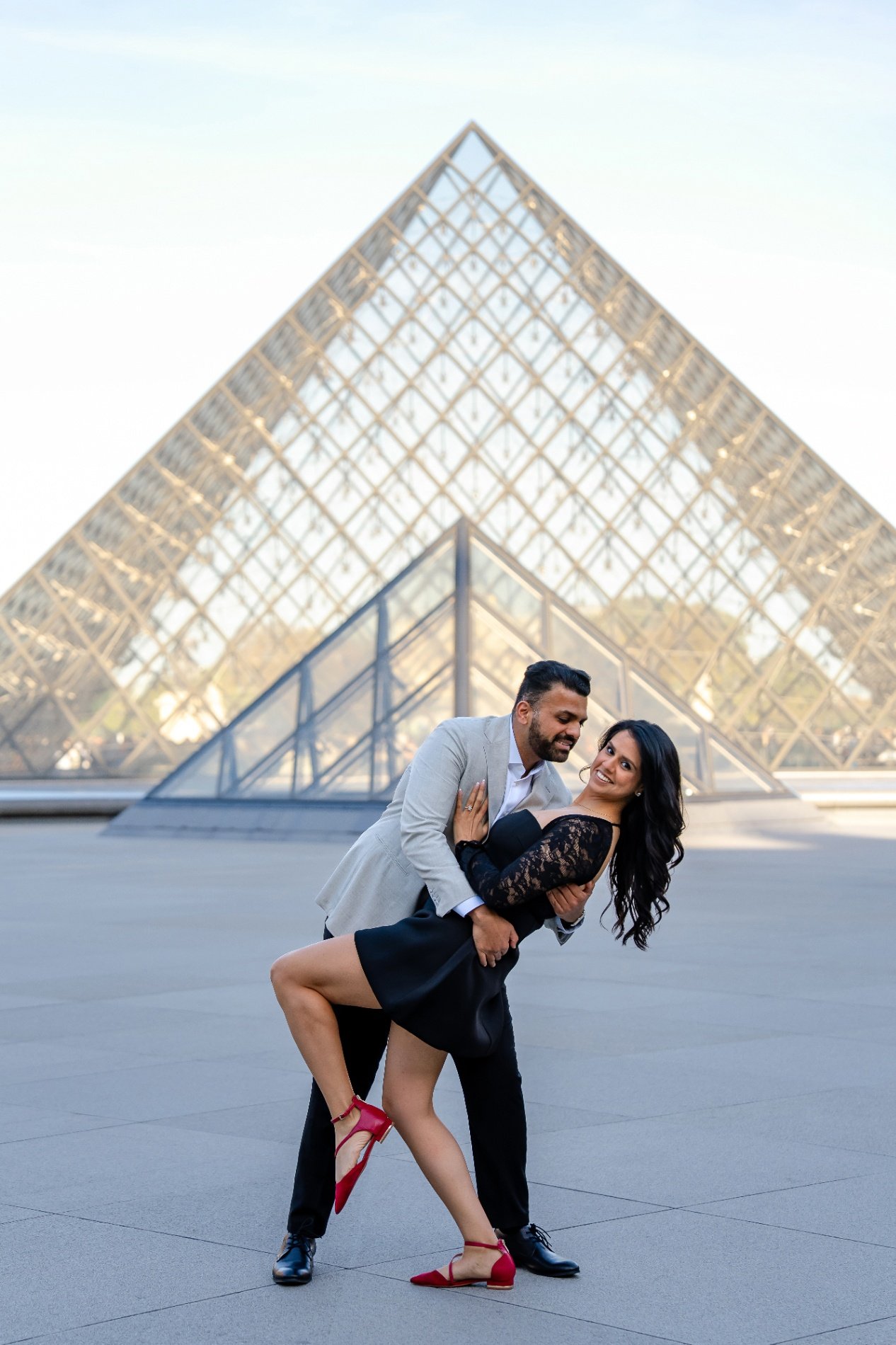
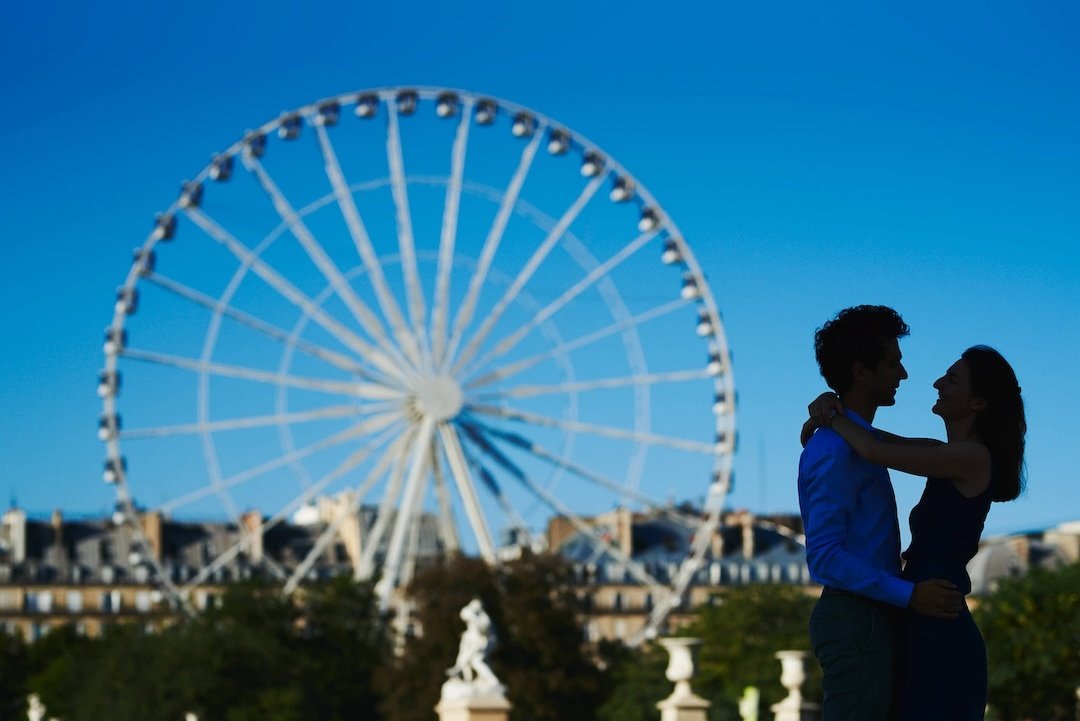
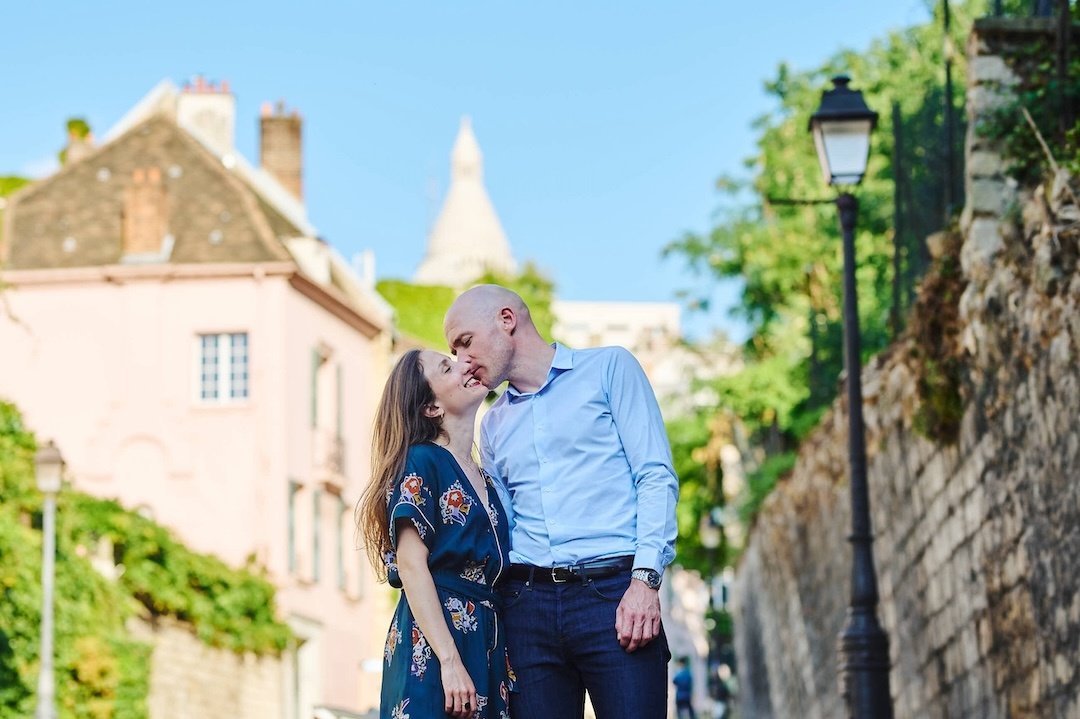
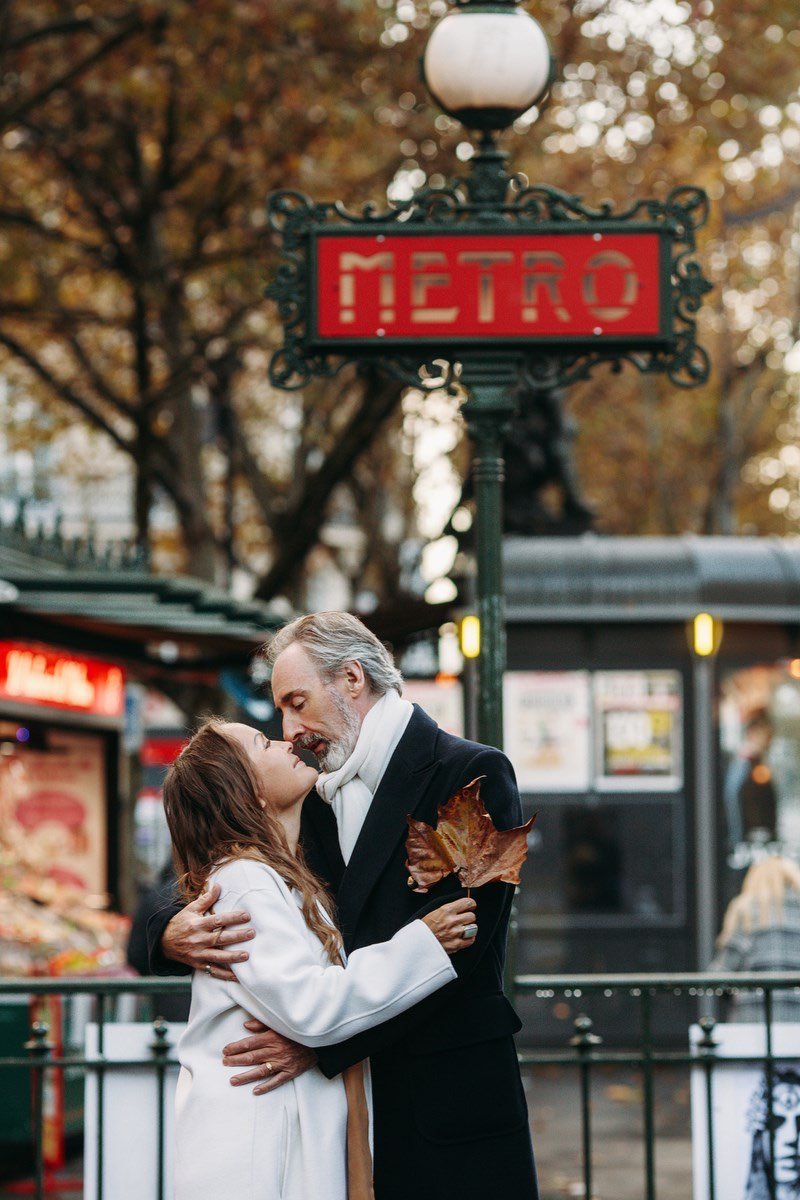
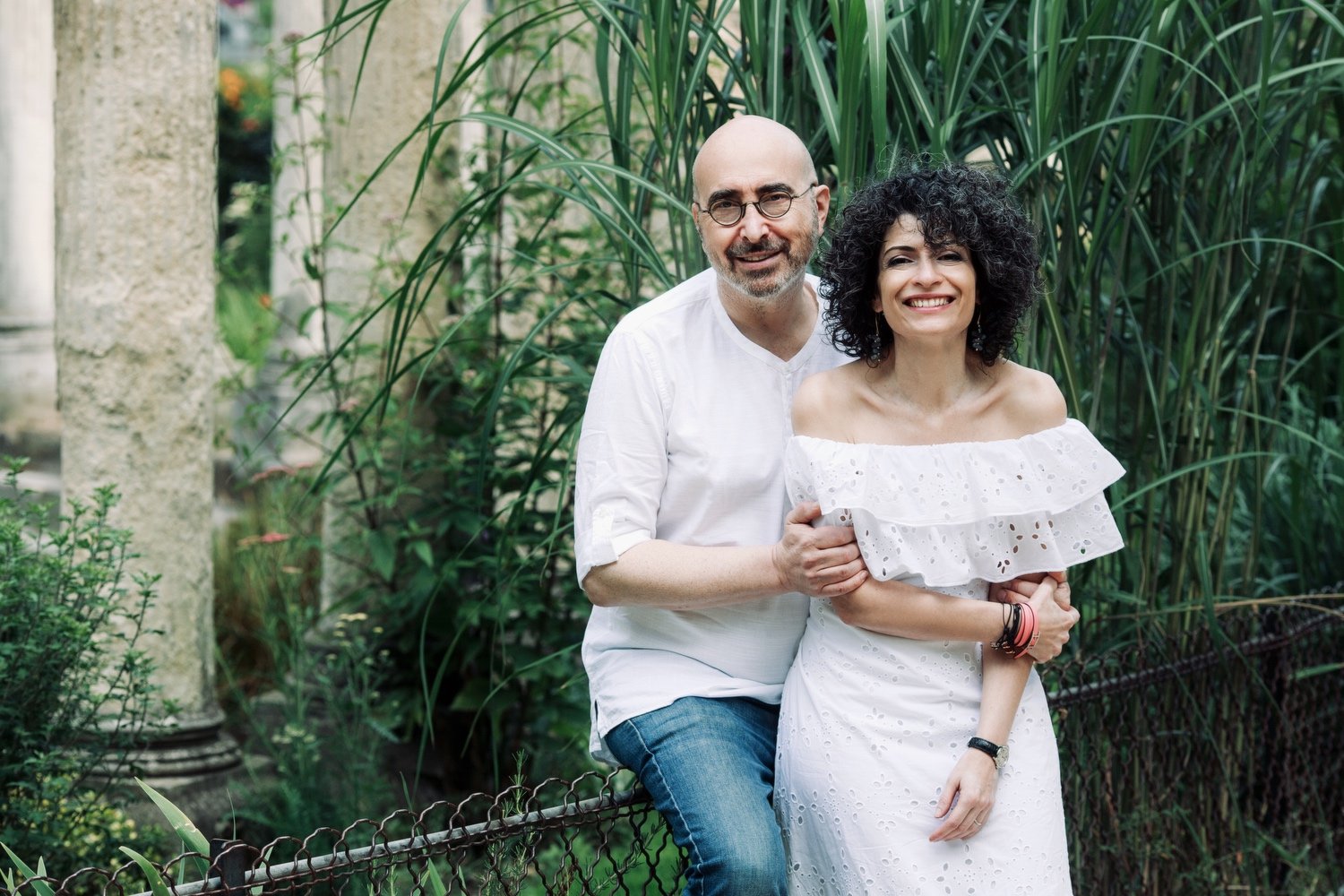
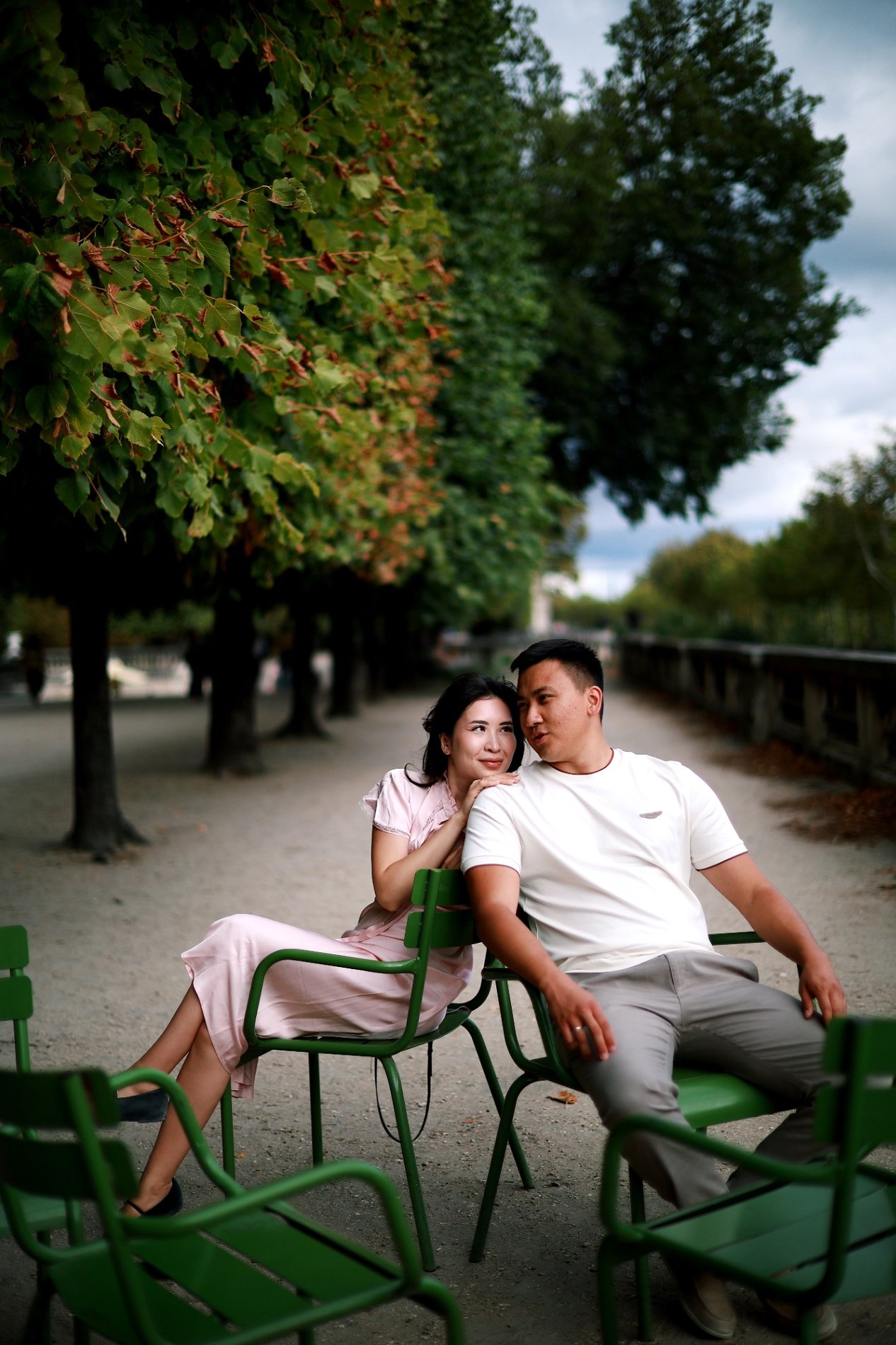
Match the palette to the stone
The dominant colours of central Paris are warm cream and cool grey — limestone below, zinc above. Anything in the jewel-tone family photographs beautifully against that pairing: emerald green, burgundy, deep blue. The stone behaves like a neutral canvas, and a saturated, deep colour becomes the natural focal point of the frame. Cream and navy are the quieter alternatives — cream blends with the limestone in a soft, editorial way, while navy gives contrast without shouting.
What to avoid is just as clear. Neon colours fight the architecture: they drag the eye away from both you and the city, and they date a photo fast. The same goes for large logos and busy graphic prints — five years on, the picture reads as an advert for a brand rather than a memory of Paris. If a piece has a visible logo, leave it at the hotel.
Choose fabrics that move
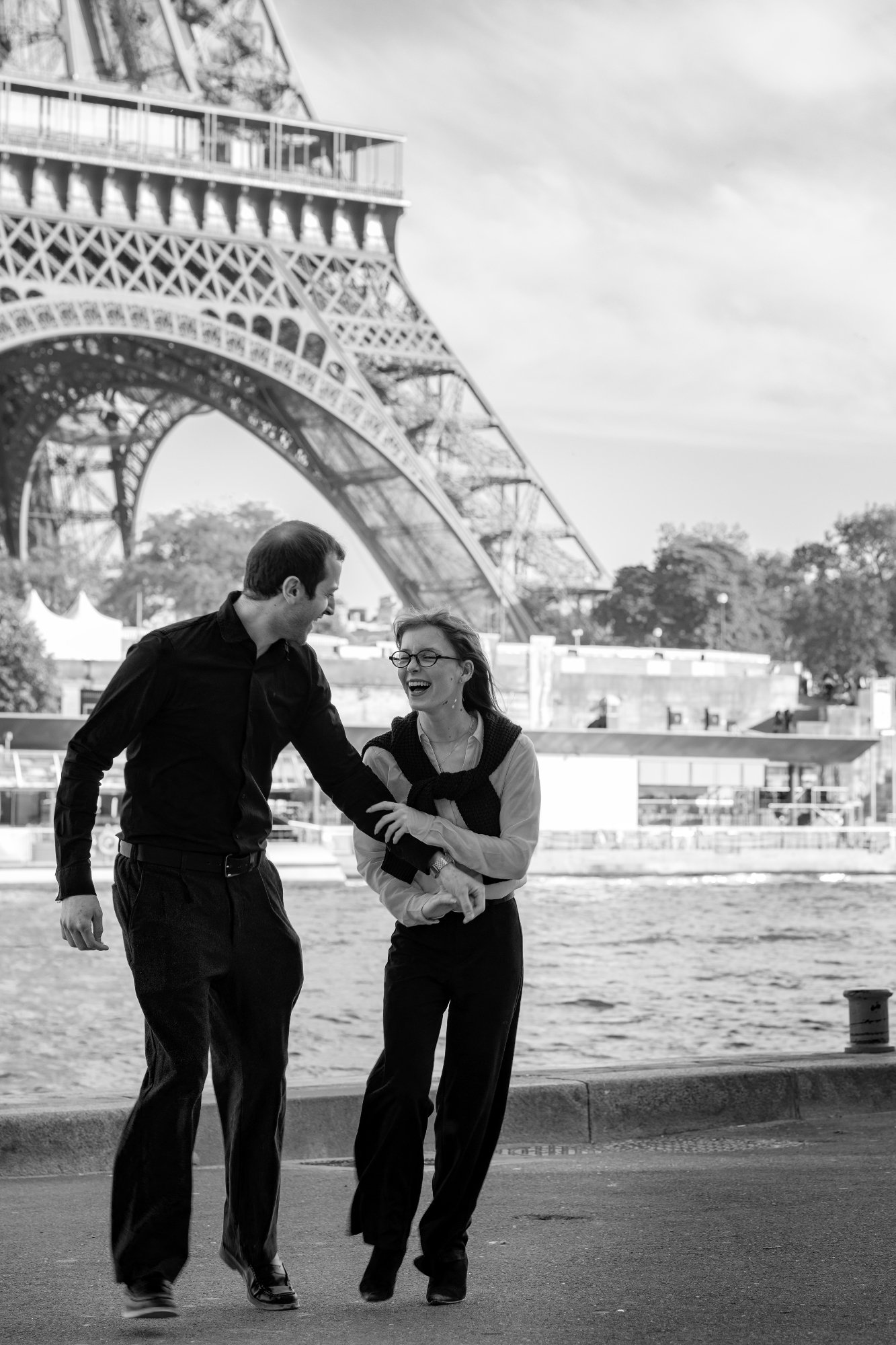
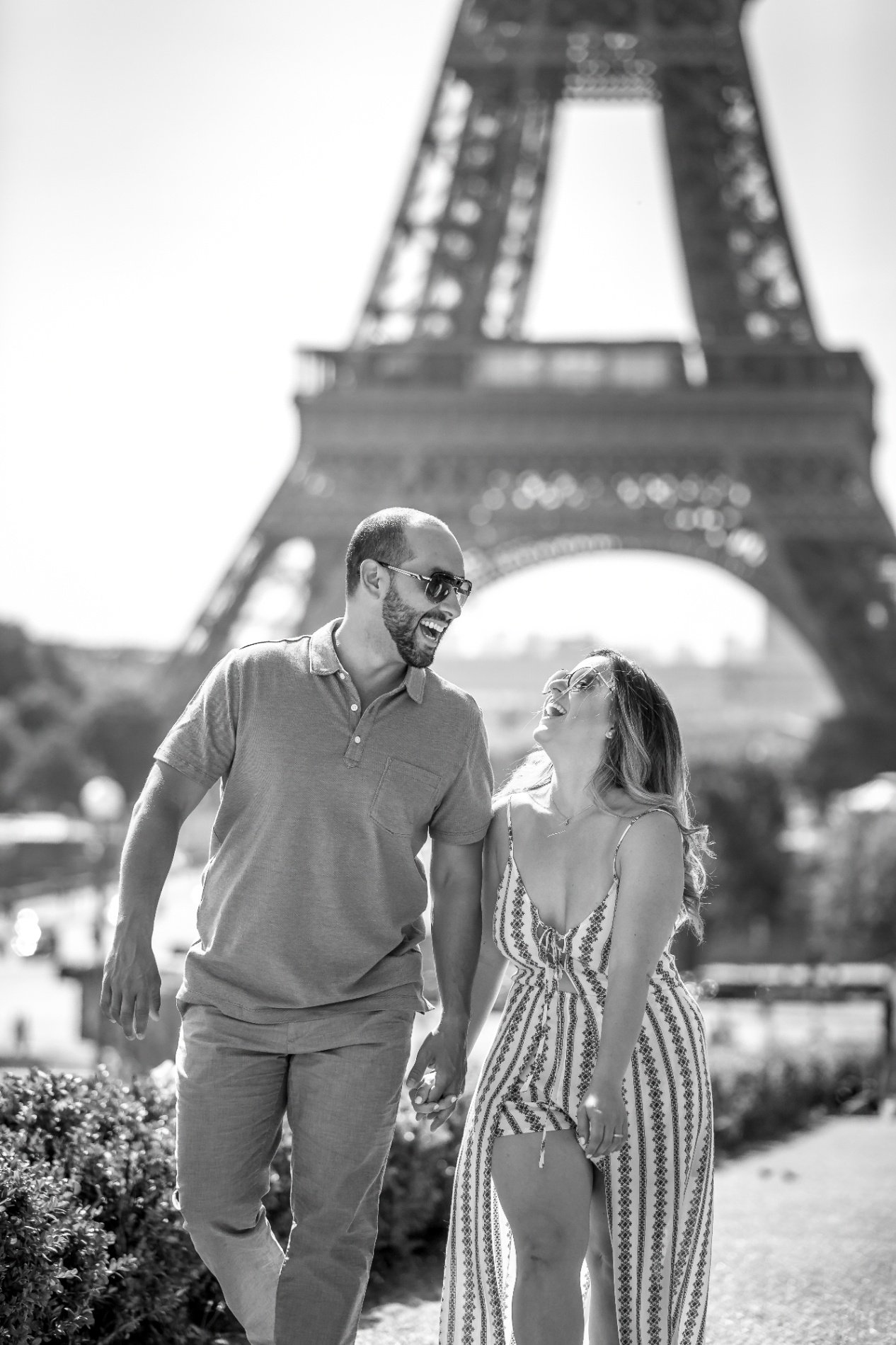
Many of the most-loved Paris frames are made on bridges and quays, and there is almost always a breeze coming off the river. A skirt or dress in a fabric that catches that wind gives the photographer movement to work with — hair, hem and silhouette all come alive in a way that a static pose never quite matches. Stiff, structured fabrics do the opposite: they photograph rigid, and the frame looks posed even when you weren't.
You don't need couture; you need drape. A midi or maxi dress in a flowing fabric will outperform an expensive structured piece on the Seine every single time. If dresses aren't your thing, the same logic applies to a loose shirt, wide trousers or an open coat — anything with an edge the wind can pick up.
Layer for the dawn start
The best light and the empty streets both happen early. If your session starts at 6 or 7am — and for the famous viewpoints it usually should — expect real cold, even in July. Paris mornings do not care that it's summer.
The fix is a coat or trench you can wear or drop: it works as part of the look, and it disappears out of frame the moment a shot calls for the dress alone. What doesn't work is shivering through the session. Tension shows in shoulders, jaw and hands in every single frame, and no amount of editing removes it.
Shoes and cobblestones: an honest word
Stilettos and Montmartre do not mix. The streets are steep, the cobbles are uneven, and a twisted ankle is a real way to end a shoot early. The honest solution: bring flats or clean trainers for walking between spots, and switch into heels only for the frames that need them. A tote bag carries the swap and stays out of shot.
Here's the liberating part — in most crops, nobody can tell what's on your feet anyway. The people who pack flats walk relaxed between locations, and relaxed is exactly what you want to look like when the camera comes up.
What clients say about this kind of shoot
Great person to work with, Will definitely recommend him again.
— Client on Joseph J.
A brilliant experience with Amandine! On top of taking really beautiful photos, she is genuinely warm, a good listener, and knows immediately how to put you at ease in front of the lens. I had a great time during the session and there were several shots I fell completely in love with! Thank you again, Amandine, and I wish you plenty of lovely projects ahead — though I'm not too worried about that!
— Ethane M. on Amandine A.
A very professional photographer who knew how to guide us and put us at ease, for a very natural result. Thank you so much!
— Kelly A. on Amandine A.
Joe is absolutely fantastic. Timely and communicative, and the pictures were everything we wanted and more! Highly recommend.
— Nina J. on Joseph J.
Thank you Michi! It's a joy to work with you! It's my second time having Michi take pictures for me. We had good communication plus a good understanding of my style and aesthetics. Looking forward to next year!
— Client on Michi N.
Working with Michiru was delightful! She provided guidance and the utmost professionalism during our photoshoot in Paris. I would highly recommend having Michiru as your photographer!
— Client on Michi N.
A capsule for every season
Spring — a trench over a dress is the classic Paris formula for a reason: it layers, it moves, and it suits the soft light. Summer — breathable fabrics only; light cotton and airy weaves keep you comfortable through a warm morning, and comfort reads on camera. Autumn — knits and layered warm tones sit naturally against the stone as the light turns golden. Winter — stop treating the coat as a compromise. A long wool coat is a photogenic asset: it adds structure, length and elegance, and some of the most striking Paris portraits are winter ones.
Couples: complement, don't match
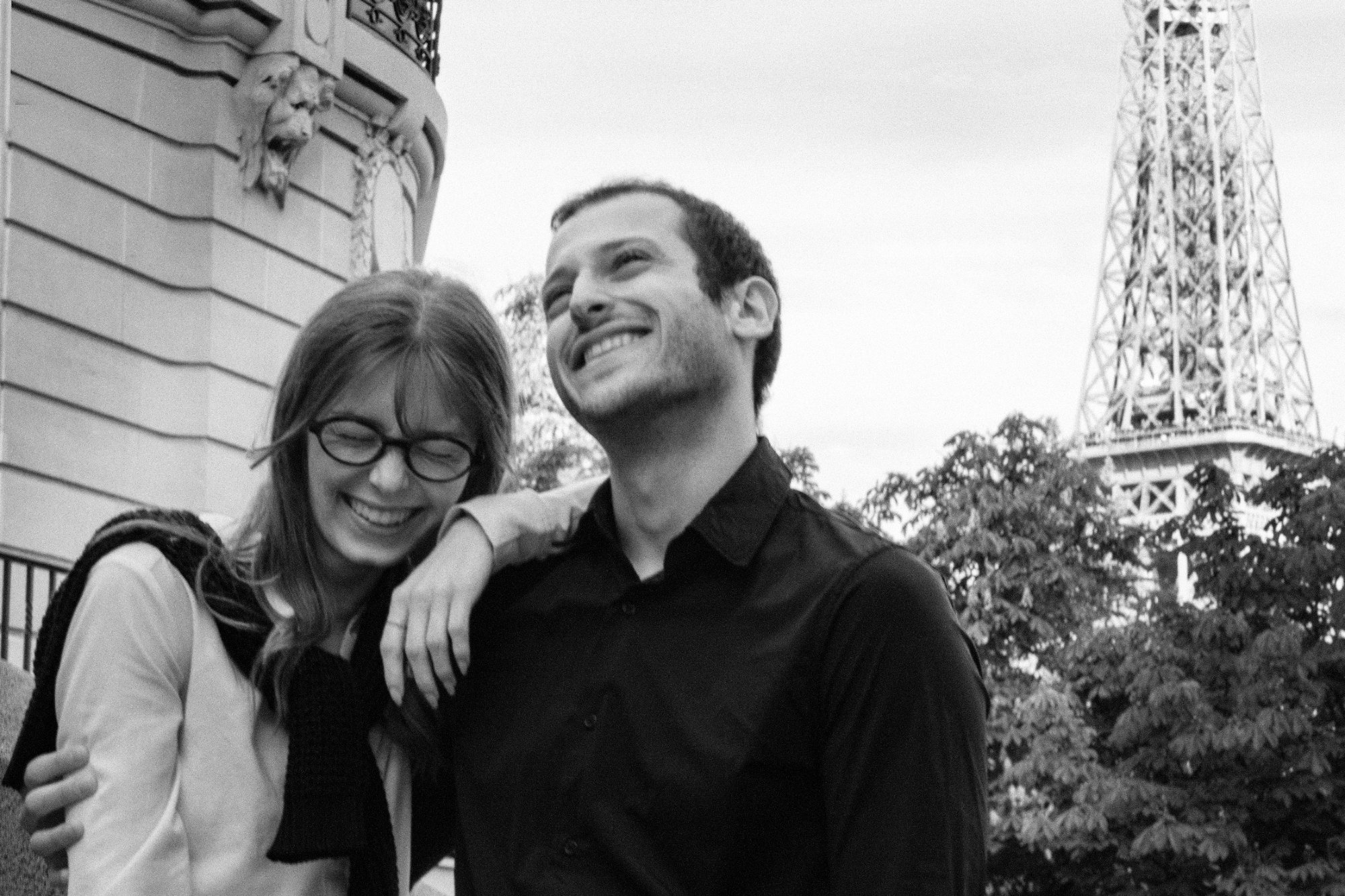
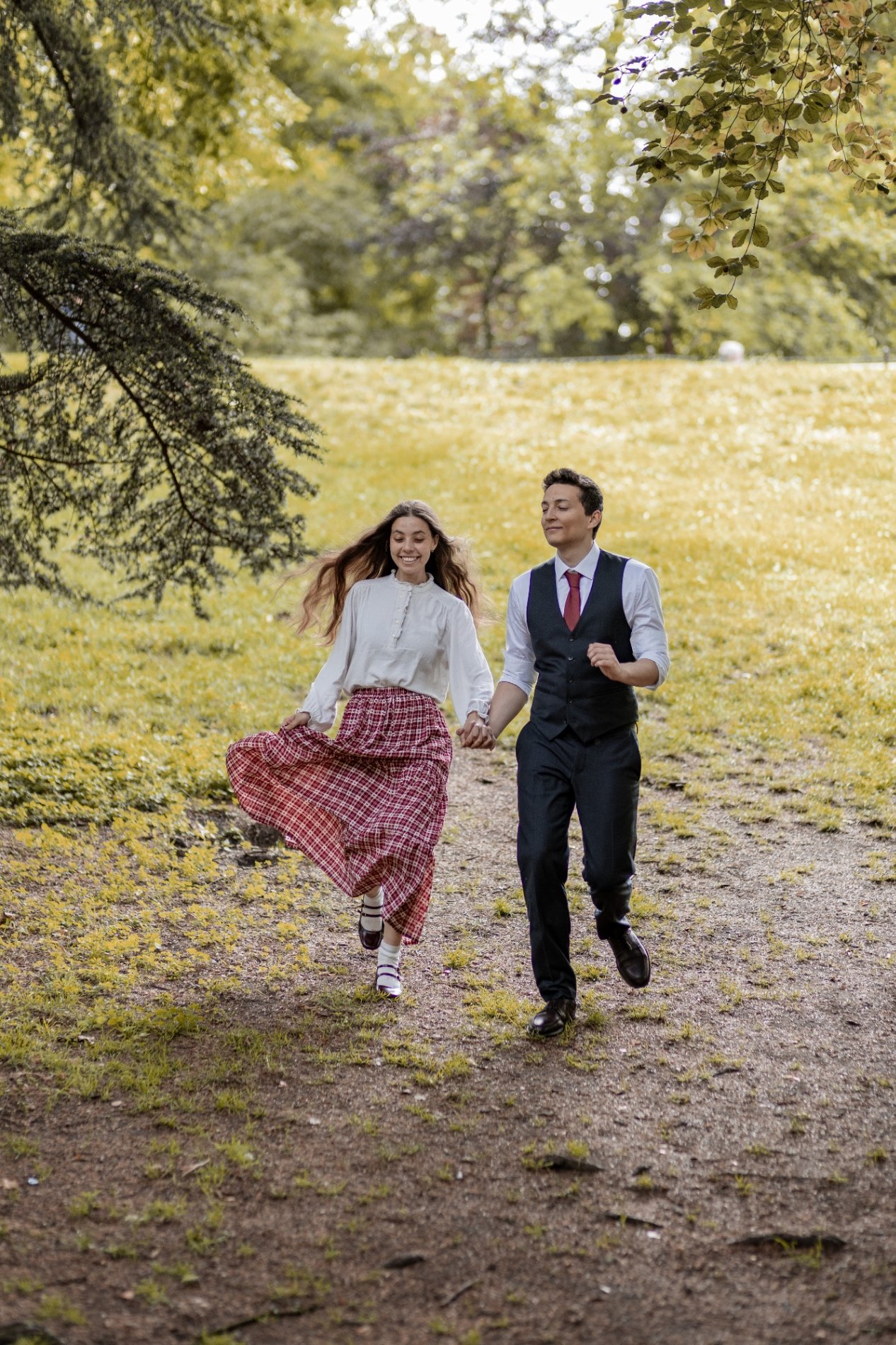
Coordinate tones and formality — don't clone each other. Identical outfits look staged, and one partner in a loud print next to one in plain fabric unbalances every frame. The reliable approach: pick one shared palette (say cream, navy and burgundy), dress to the same level of formality, and let each person wear it their own way. If one of you is in a jacket, the other shouldn't be in a t-shirt. For more on planning the session itself, see our couples photoshoot page — and if the shoot is secretly a proposal, all of the above still applies, plus pockets for the ring.
Heading south? The palette flips
One caveat before you pack a single suitcase for the whole trip: the advice above is calibrated for Paris. On the Riviera and in Provence, the backdrop is sea, sky and sun-bleached stone — and there, whites, soft pastels and linen are exactly right. Those same tones can look washed out against Paris limestone, where deeper colour earns its keep. If your trip covers both, pack for both.
Get the outfit and the photographer sorted together
The clothes are half the equation; the other half is someone who knows which bridge is empty at 7:15 and which café awning flatters a burgundy dress. Browse our Paris location guide to see the backdrops for yourself, then book a local photographer — sessions start from €299, and every photographer on the platform shoots these streets year-round. Your only job on the morning is to show up warm, comfortable, and in colours the city was practically built for.
Frequently asked questions
What colours photograph best in Paris?
Deep, saturated colours. Against the cream limestone and grey zinc of central Paris, emerald green, burgundy and deep blue become the natural focal point of the frame, while cream and navy are the quieter alternatives. Avoid neon, large logos and busy prints, which fight the architecture and date the photo quickly. Whites and soft pastels suit the Riviera and Provence far better than Paris, where they can look washed out.
What should I wear for a sunrise photoshoot in Paris in summer?
Expect real cold at 6 or 7 a.m., even in July, so bring a coat or trench you can wear between frames and drop for the shots that need the dress alone. Choose fabrics that move, because there is almost always a breeze on the bridges and quays. Walk between spots in flats or clean trainers and switch into heels only for the frames that need them; the cobbles in Montmartre are unkind to stilettos.
Should couples match their outfits for a Paris photoshoot?
Coordinate, do not clone. Identical outfits look staged, and a loud print next to plain fabric unbalances every frame. Pick one shared palette, for example cream, navy and burgundy, dress to the same level of formality, and let each person wear it their own way. If one of you is in a jacket, the other should not be in a t-shirt. If the shoot is secretly a proposal, the same rules apply, plus a pocket for the ring.
How long is a Paris photoshoot and what does it cost?
Sessions usually last one to two hours, enough for a sunrise viewpoint, a bridge and a quiet street. Photo France is a marketplace of vetted local photographers, and Quick Booking starts at €299 for Paris or any other listed region on any date, with a photographer assigned within 24 hours. Your photos are delivered edited and online, typically within about a week, so a tote bag with a change of shoes is the only extra kit you need.
Want professional photos in Paris?
Browse portfolios, compare packages, and book a verified local photographer in minutes.