Photo spot in Dijon & the Burgundy climats
The first vines at Marsannay-la-Côte
Where the Route des Grands Crus starts — eight kilometres south of the city, with Dijon's roofs still visible at the end of the rows.
About The first vines at Marsannay-la-Côte
Get directionsMarsannay-la-Côte is the northern end of the Côte de Nuits and the official start of the Route des Grands Crus. It is eight kilometres from the centre of Dijon, which makes it the rare vineyard frame you can add to a city session without losing half the booking to driving.
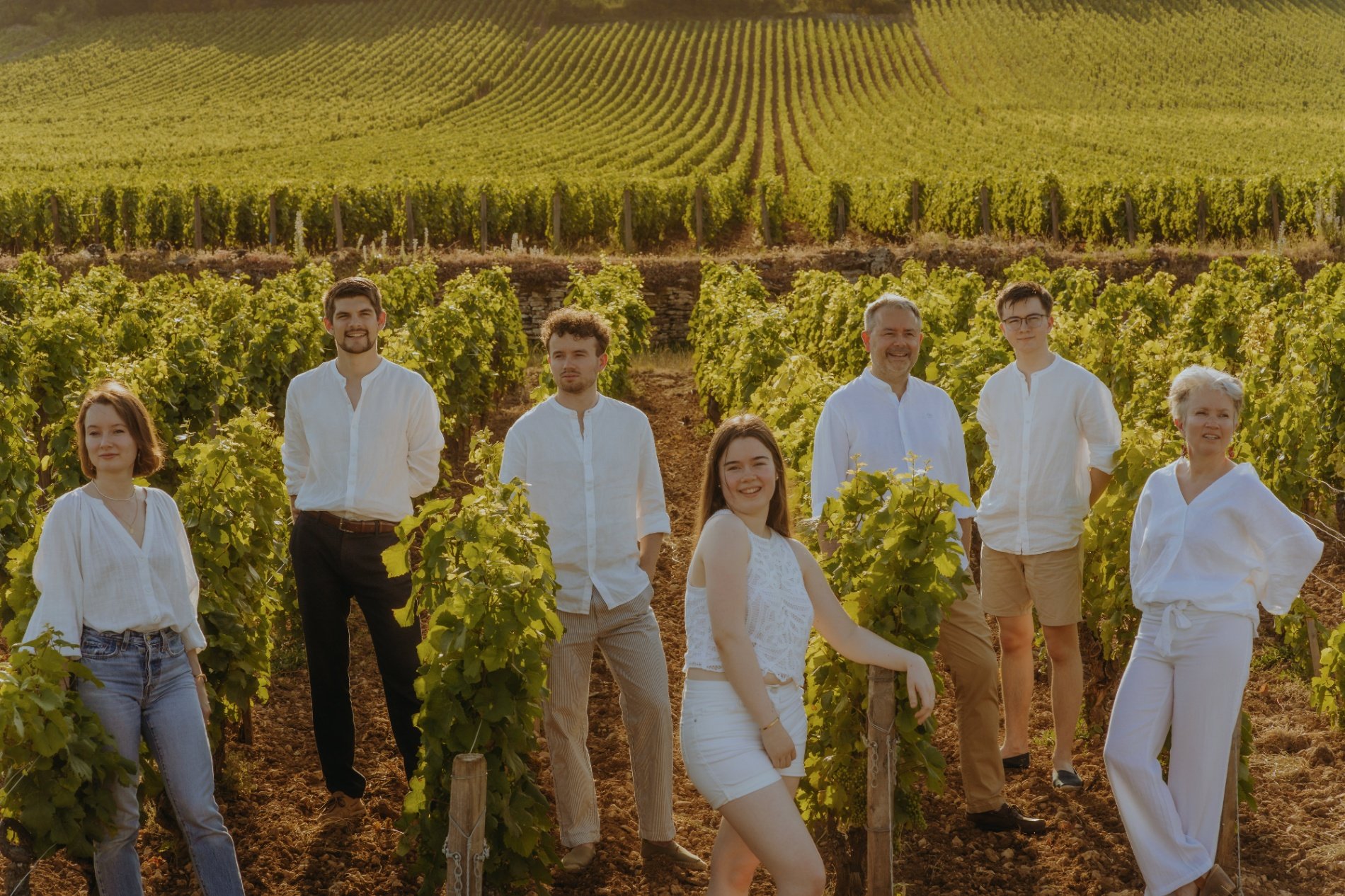
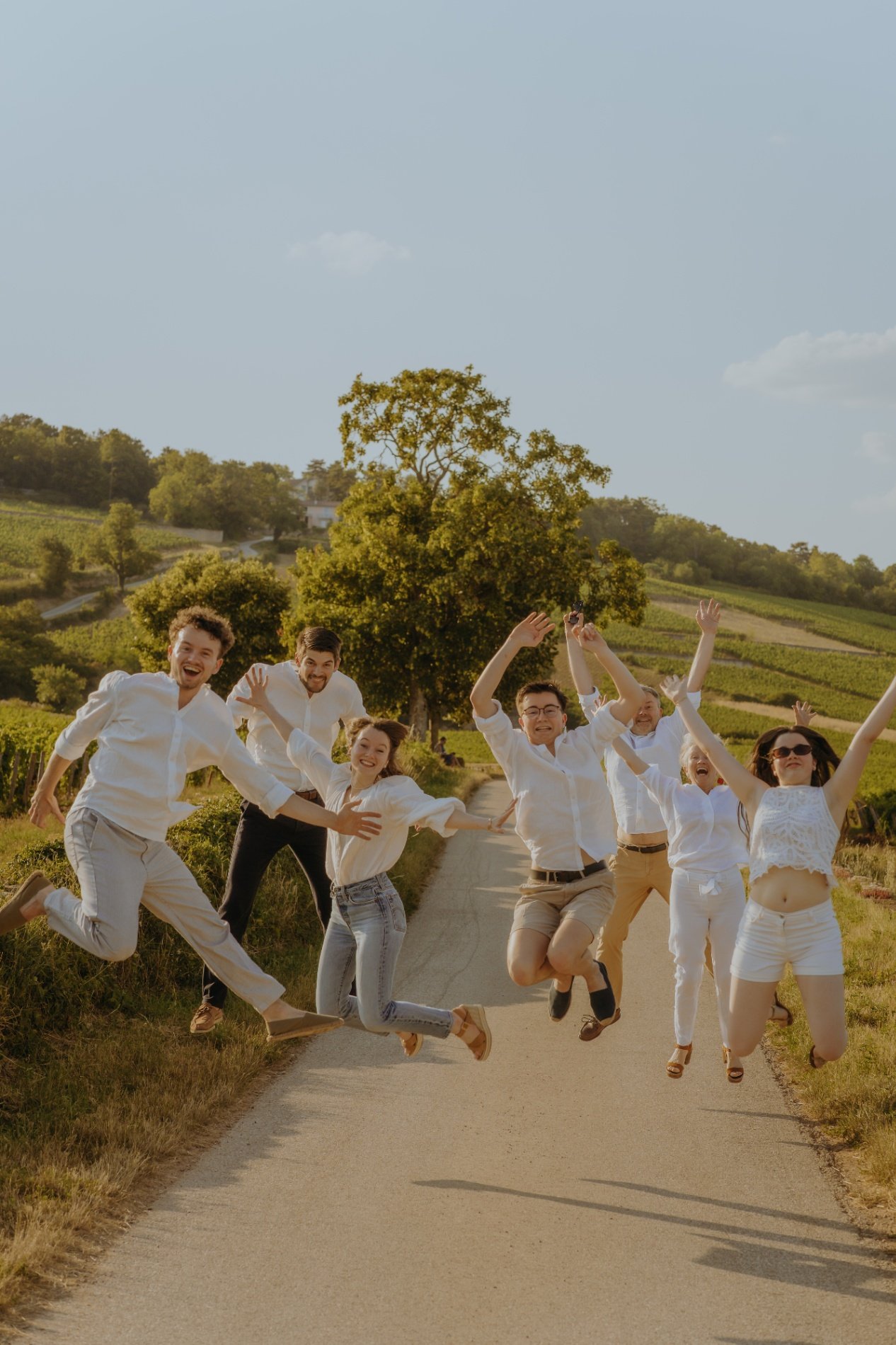
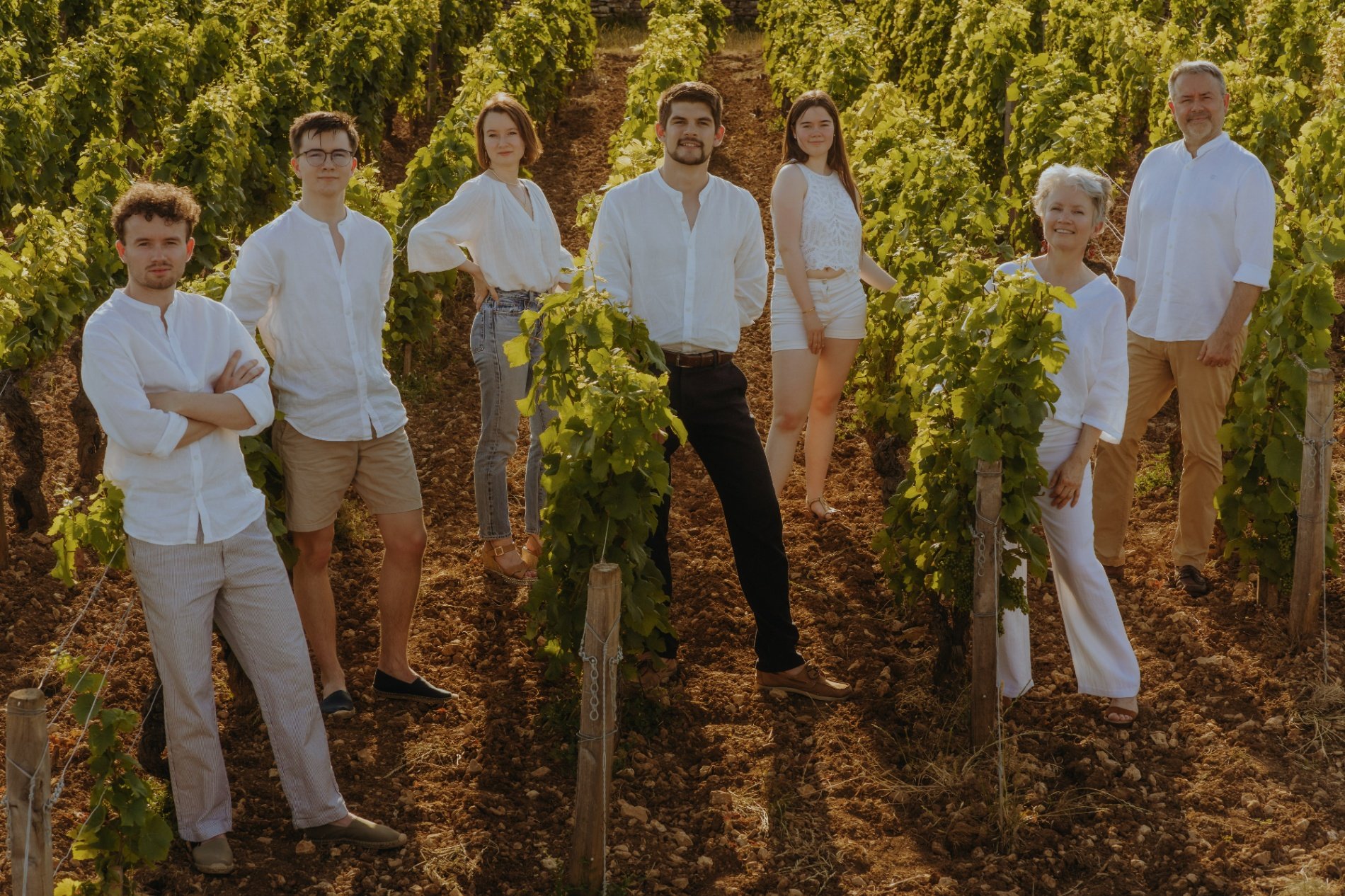
Small tracks climb straight up the slope from the village into the parcels. Two hundred metres up one of them and you are inside the picture: rows converging uphill, low drystone walls, and, looking back north, the plain with the city on it. The slope faces east and south-east, so sunrise sends warm light straight along the rows and evening leaves the vines cool with the plain still lit behind — both work, and sunrise has nobody in it.
Season changes the subject entirely. From November to April these are bare brown sticks; the canopy is full by June; the pull is the last days of September and the first half of October, when the leaves turn and the harvest is running. Marsannay is also unusual in Burgundy for making red, white and rosé, so the parcels are a patchwork of slightly different colours in autumn.
Every row here is a private, worked parcel. Stay on the tracks and the headlands, do not walk between the vines, and keep well clear during harvest — a session in the way of a picking crew will be asked to move.
Best time to shoot
Sunrise for warm light down the rows; late September to mid-October for colour
Tips
Eight kilometres from the city centre, so it fits a two-hour booking. Stay on the tracks: every parcel is private and worked, and harvest crews have right of way.
Recent work in Dijon & the Burgundy climats
Portfolio shots by photographers covering this area

Andrés F.
View profile →
Natalia D.
View profile →
Natalia D.
View profile →
Andrés F.
View profile →
Andrés F.
View profile →
Andrés F.
View profile →
Andrés F.
View profile →
Andrés F.
View profile →
Andrés F.
View profile →
Andrés F.
View profile →
Natalia D.
View profile →
Natalia D.
View profile →
Natalia D.
View profile →
Andrés F.
View profile →
Natalia D.
View profile →
Andrés F.
View profile →
Andrés F.
View profile →
Andrés F.
View profile →
Natalia D.
View profile →
Andrés F.
View profile →
Andrés F.
View profile →
Natalia D.
View profile →
Andrés F.
View profile →
Natalia D.
View profile →
Andrés F.
View profile →
Andrés F.
View profile →
Andrés F.
View profile →
Natalia D.
View profile →
Andrés F.
View profile →
Andrés F.
View profile →
Natalia D.
View profile →
Natalia D.
View profile →
Natalia D.
View profile →
Photographers who shoot at The first vines at Marsannay-la-Côte
Hand-picked professionals working in Dijon & the Burgundy climats
Real reviews from Dijon & the Burgundy climats photoshoots
Thomas D.
Being a photographer myself, there was no way I would entrust this role to just anyone; and I can tell you that Andrés exceeded our expectations by a very long way! From the very first exchanges, it was obvious he was the photographer we…
Andrés F.
Photographer
Thomas D.
We were lucky enough to trust Andrés to capture our wedding, and we are truly delighted! From the very first exchanges, we appreciated his professionalism, kindness and attentiveness. On the wedding day he was wonderful: discreet,…
Andrés F.
Photographer
Other spots in Dijon & the Burgundy climats
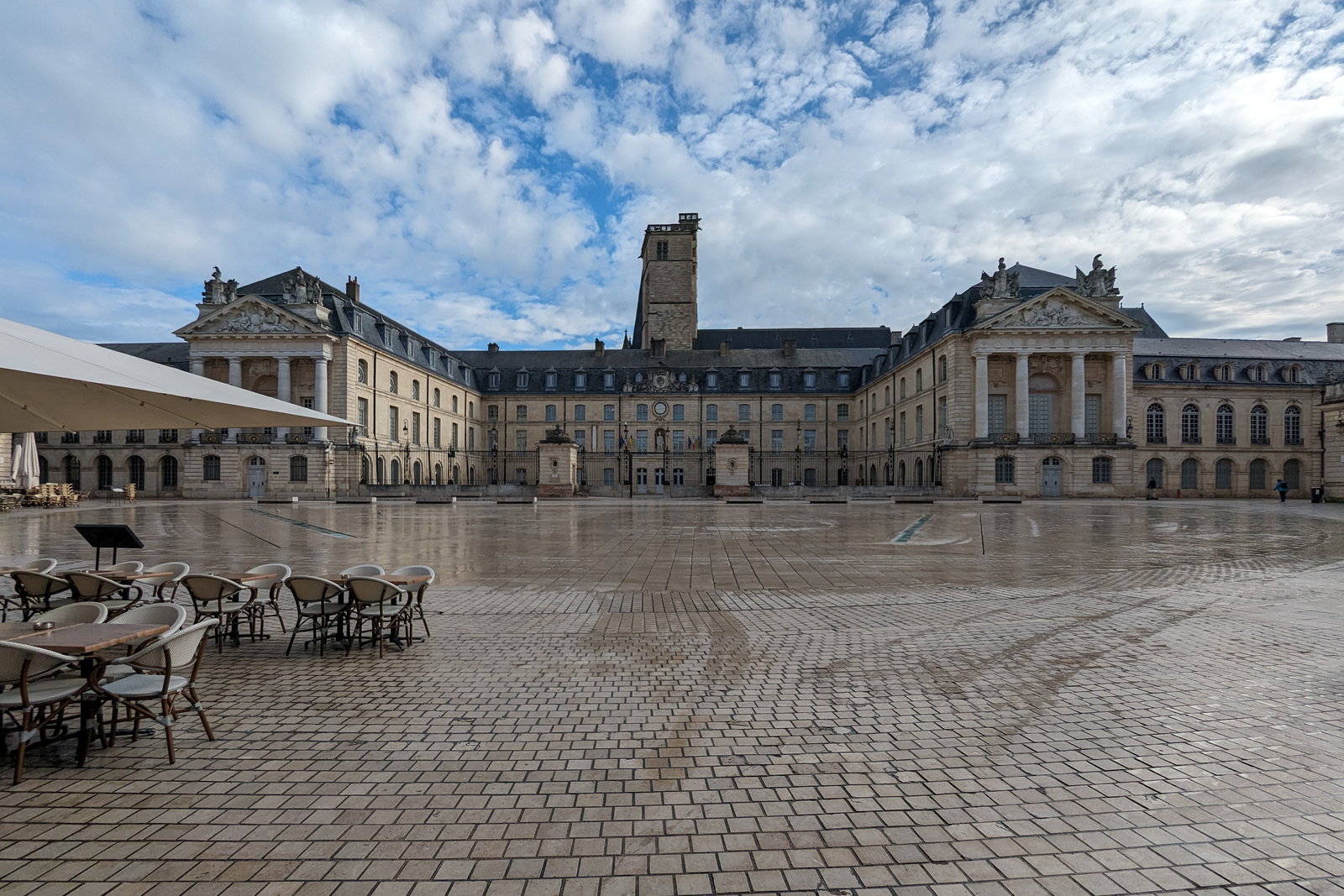
Place de la Libération and the ducal palace
A half-moon of pale stone laid out in the 1680s in front of the palace of the Dukes of Burgundy — closed to cars, and empty at first light.
Notre-Dame de Dijon and the owl
A Gothic west front bristling with rows of gargoyles, a fourteenth-century Jacquemart clock on the tower, and a worn stone owl everybody touches for luck.
Rue des Forges and the half-timbered old town
Carved Gothic doorways, glazed Burgundian roof tiles and leaning timber facades on the oldest street in Dijon, two minutes from the palace.
Ready to book?
Our concierge team will hand-pick 2-3 photographers who know The first vines at Marsannay-la-Côte — free of charge.