Photo spot in Dijon & the Burgundy climats
Place de la Libération and the ducal palace
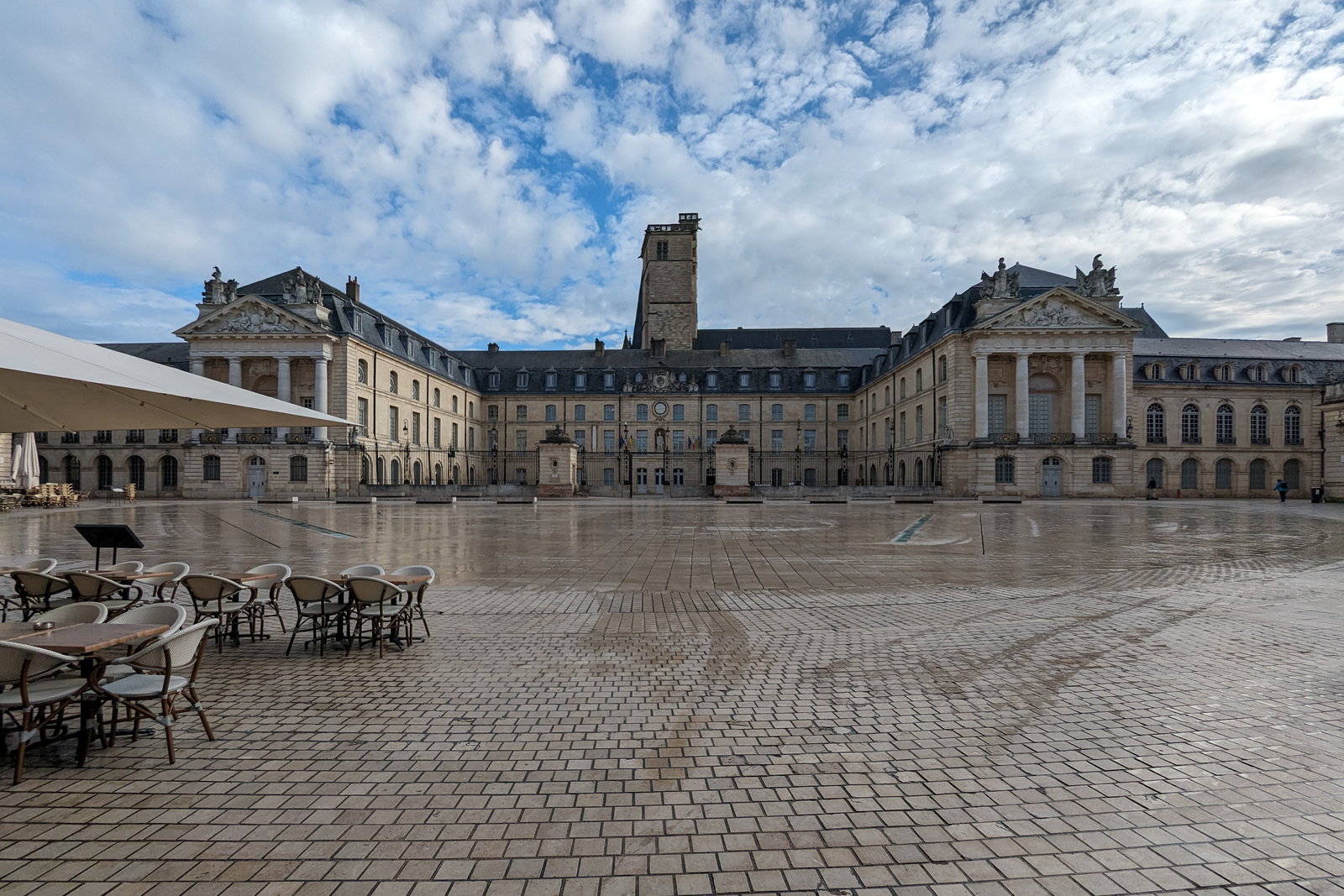
A half-moon of pale stone laid out in the 1680s in front of the palace of the Dukes of Burgundy — closed to cars, and empty at first light.
About Place de la Libération and the ducal palace
Get directionsThe Place de la Libération is the front room of Dijon. Hardouin-Mansart's office designed it in the 1680s as a semicircle of arcaded stone facing the Palais des Ducs et des États de Bourgogne, and it still does exactly that: a curved colonnade on three sides, the long classical front of the palace closing the fourth, and in the middle a flat expanse of paving with shallow water jets set into it.
Go at first light. The square is pedestrian, it is washed most mornings, and until about eight there is nobody on it — which means a wet, mirror-flat foreground doubling the facade, and a couple standing alone in a space built for a court. By ten the café terraces are out along the colonnade and the middle fills up. Blue hour is the other good slot, when the palace and the arcades are lit and the sky still has colour.
Behind the palace rises the Tour Philippe le Bon, forty-six metres of fifteenth-century stone with a terrace on top that looks over the whole tiled roofscape and, on a clear day, as far as the Jura. The climb is guided, ticketed and needs booking, so check availability before you build a session around it.
Everything outside is public and free. The one thing to plan around is markets and events: the square hosts them, and on those mornings the empty-plaza frame is simply not available.
Best time to shoot
Before eight in the morning, or blue hour when the palace is lit
Tips
The square is washed most mornings — wet paving doubles the facade. Check the city's events calendar: a market or a stage removes the empty-square frame. Book the Tour Philippe le Bon climb in advance.
Recent work in Dijon & the Burgundy climats
Portfolio shots by photographers covering this area

Natalia D.
View profile →
Natalia D.
View profile →

Andrés F.
View profile →
Natalia D.
View profile →
Andrés F.
View profile →
Andrés F.
View profile →
Natalia D.
View profile →

Andrés F.
View profile →
Andrés F.
View profile →
Natalia D.
View profile →
Natalia D.
View profile →
Andrés F.
View profile →
Andrés F.
View profile →
Andrés F.
View profile →
Natalia D.
View profile →
Andrés F.
View profile →
Natalia D.
View profile →
Natalia D.
View profile →
Natalia D.
View profile →
Natalia D.
View profile →
Andrés F.
View profile →
Natalia D.
View profile →
Andrés F.
View profile →
Andrés F.
View profile →
Natalia D.
View profile →
Natalia D.
View profile →
Natalia D.
View profile →
Natalia D.
View profile →
Andrés F.
View profile →
Natalia D.
View profile →
Natalia D.
View profile →
Andrés F.
View profile →
Photographers who shoot at Place de la Libération and the ducal palace
Hand-picked professionals working in Dijon & the Burgundy climats
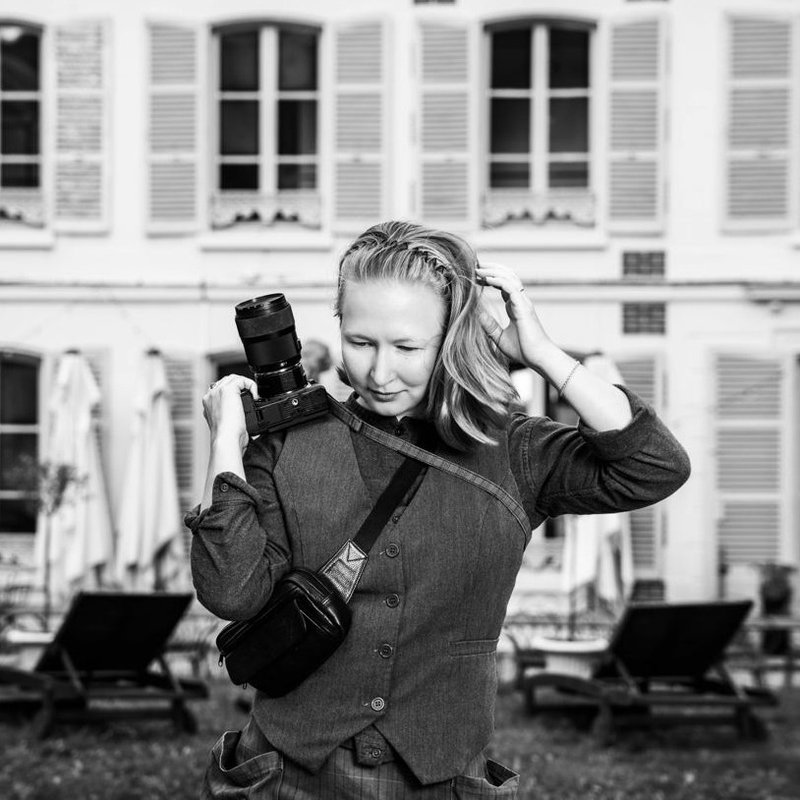
Real reviews from Dijon & the Burgundy climats photoshoots
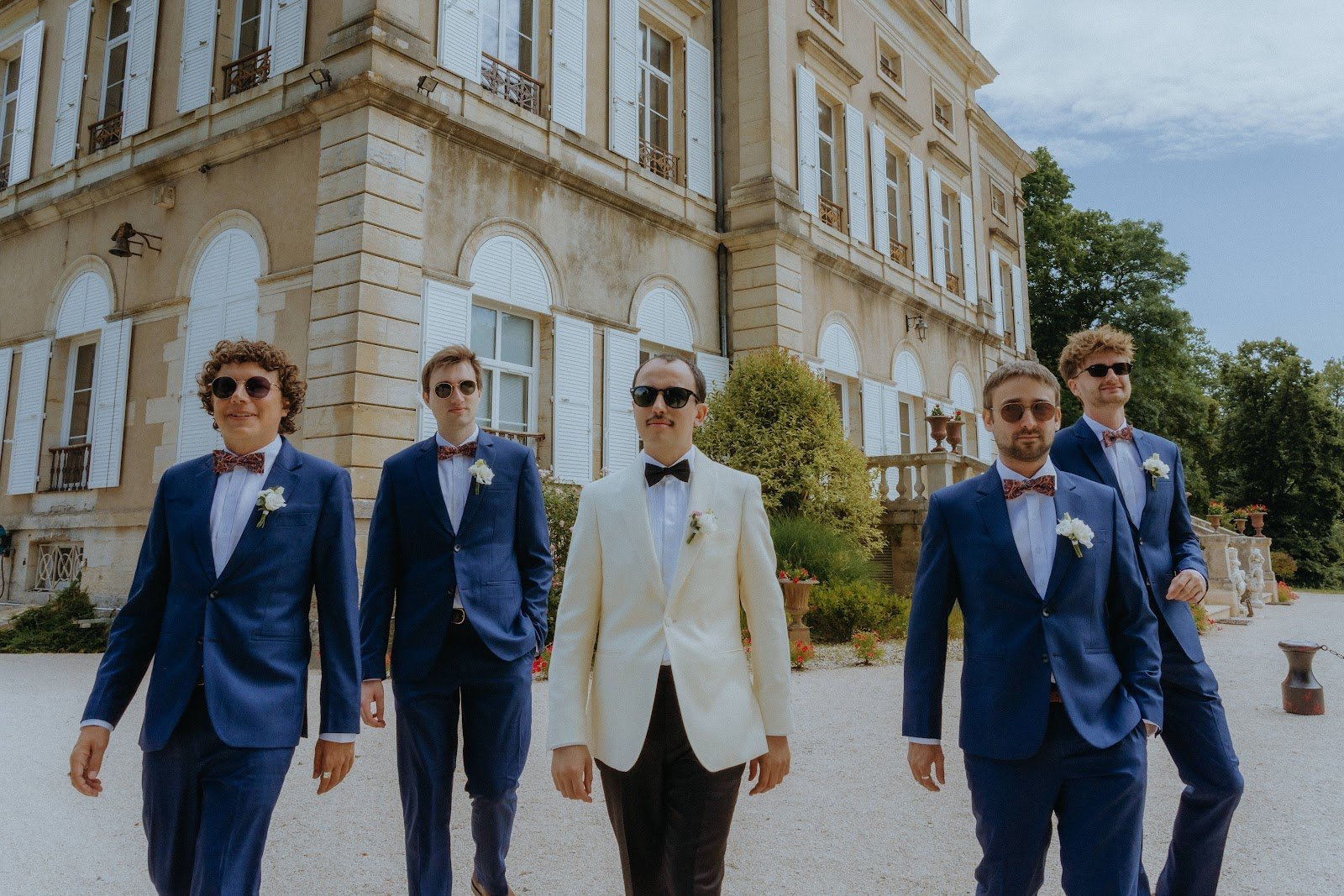
Thomas D.
Being a photographer myself, there was no way I would entrust this role to just anyone; and I can tell you that Andrés exceeded our expectations by a very long way! From the very first exchanges, it was obvious he was the photographer we…
Andrés F.
Photographer
Thomas D.
We were lucky enough to trust Andrés to capture our wedding, and we are truly delighted! From the very first exchanges, we appreciated his professionalism, kindness and attentiveness. On the wedding day he was wonderful: discreet,…
Andrés F.
Photographer
Other spots in Dijon & the Burgundy climats
Notre-Dame de Dijon and the owl
A Gothic west front bristling with rows of gargoyles, a fourteenth-century Jacquemart clock on the tower, and a worn stone owl everybody touches for luck.
Rue des Forges and the half-timbered old town
Carved Gothic doorways, glazed Burgundian roof tiles and leaning timber facades on the oldest street in Dijon, two minutes from the palace.
The first vines at Marsannay-la-Côte
Where the Route des Grands Crus starts — eight kilometres south of the city, with Dijon's roofs still visible at the end of the rows.
Ready to book?
Our concierge team will hand-pick 2-3 photographers who know Place de la Libération and the ducal palace — free of charge.