Photo spot in Dijon & the Burgundy climats
Notre-Dame de Dijon and the owl
A Gothic west front bristling with rows of gargoyles, a fourteenth-century Jacquemart clock on the tower, and a worn stone owl everybody touches for luck.
About Notre-Dame de Dijon and the owl
Get directionsThe church of Notre-Dame was built between about 1220 and 1250, and its west front is unlike anything else in Burgundy: three tiers of arcading with rows of gargoyles projecting from each, dozens of them, restored and largely re-carved in the nineteenth century. Stand back across the little Place Notre-Dame with a longer lens and the rows read as a graphic band; step under them and you get a canopy of stone animals over your subject's head.
On the tower is the Jacquemart, a mechanical clock with figures that strike the hours — brought from Flanders in 1382 as a war trophy by Philip the Bold, and added to over the centuries. On the north flank, in the narrow Rue de la Chouette, is the owl: a small, almost featureless block of worn stone that Dijon adopted as its emblem. Everyone touches it with the left hand and makes a wish, which is why it has no features left, and it is a nice, unforced thing to photograph a couple doing.
The brass owls set into the pavement mark a walking trail through the old town, and Notre-Dame is its most-visited stop. Rue de la Chouette is narrow and shaded — good for even light, awkward for anything wide — so it works best in the morning before the trail fills up.
Inside, Notre-Dame is a working church and free to enter. Services take priority, so a session waits them out; ask the parish about tripods and commercial shoots before the day.
Best time to shoot
Morning, before the owl trail fills — the narrow street holds even, shaded light all day
Tips
Rue de la Chouette is tight: a longer lens across Place Notre-Dame reads the gargoyle rows better. It's a working church — keep out of services and ask the parish before bringing a tripod.
Recent work in Dijon & the Burgundy climats
Portfolio shots by photographers covering this area

Andrés F.
View profile →
Andrés F.
View profile →
Natalia D.
View profile →
Andrés F.
View profile →
Andrés F.
View profile →
Natalia D.
View profile →
Andrés F.
View profile →
Andrés F.
View profile →
Andrés F.
View profile →
Natalia D.
View profile →
Natalia D.
View profile →
Andrés F.
View profile →
Andrés F.
View profile →
Andrés F.
View profile →
Andrés F.
View profile →
Andrés F.
View profile →
Natalia D.
View profile →
Andrés F.
View profile →
Andrés F.
View profile →
Natalia D.
View profile →
Natalia D.
View profile →
Andrés F.
View profile →
Andrés F.
View profile →
Natalia D.
View profile →
Andrés F.
View profile →
Andrés F.
View profile →
Andrés F.
View profile →
Natalia D.
View profile →
Andrés F.
View profile →
Andrés F.
View profile →
Andrés F.
View profile →
Andrés F.
View profile →
Photographers who shoot at Notre-Dame de Dijon and the owl
Hand-picked professionals working in Dijon & the Burgundy climats
Real reviews from Dijon & the Burgundy climats photoshoots
Thomas D.
Being a photographer myself, there was no way I would entrust this role to just anyone; and I can tell you that Andrés exceeded our expectations by a very long way! From the very first exchanges, it was obvious he was the photographer we…
Andrés F.
Photographer
Thomas D.
We were lucky enough to trust Andrés to capture our wedding, and we are truly delighted! From the very first exchanges, we appreciated his professionalism, kindness and attentiveness. On the wedding day he was wonderful: discreet,…
Andrés F.
Photographer
Other spots in Dijon & the Burgundy climats
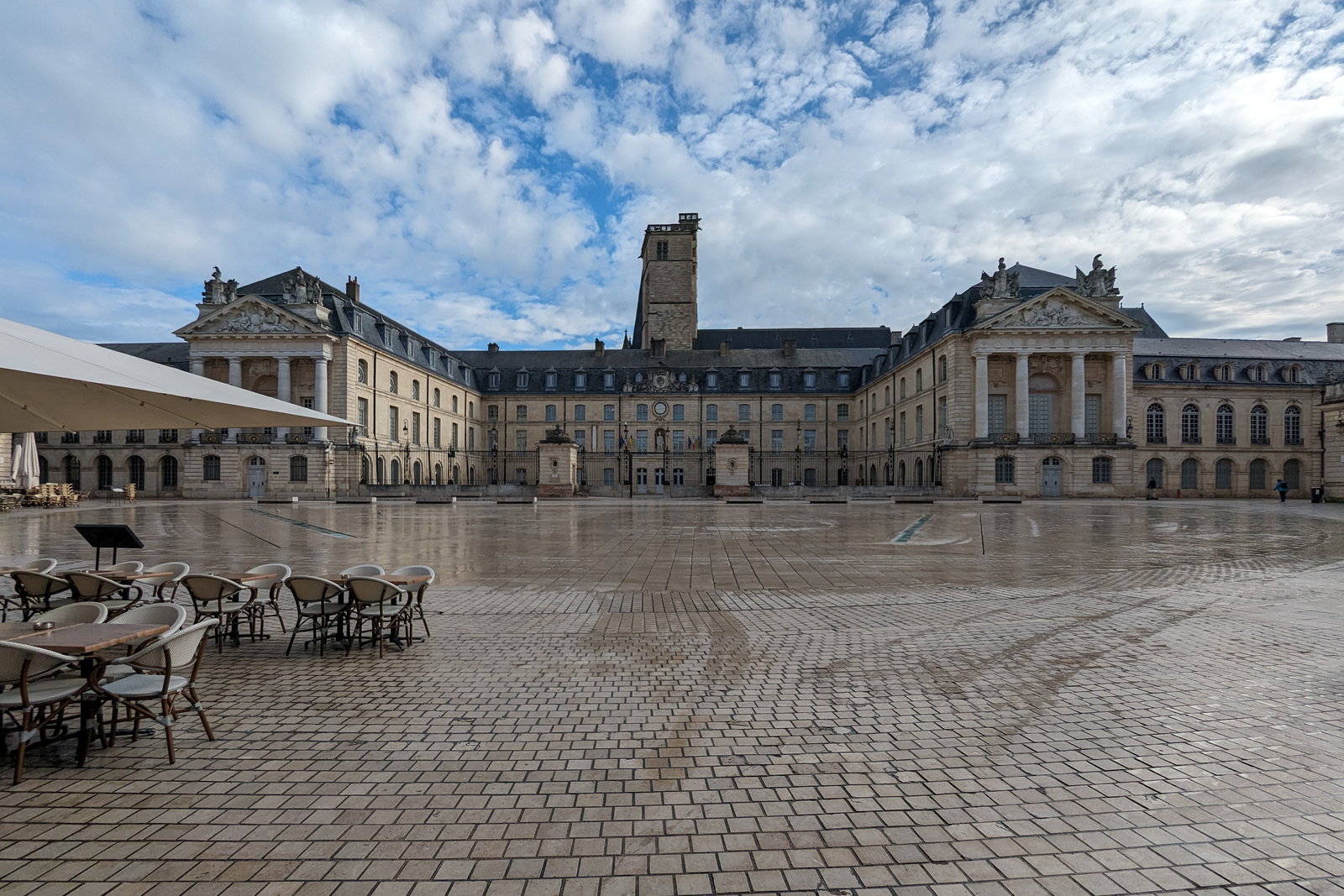
Place de la Libération and the ducal palace
A half-moon of pale stone laid out in the 1680s in front of the palace of the Dukes of Burgundy — closed to cars, and empty at first light.
Rue des Forges and the half-timbered old town
Carved Gothic doorways, glazed Burgundian roof tiles and leaning timber facades on the oldest street in Dijon, two minutes from the palace.
The first vines at Marsannay-la-Côte
Where the Route des Grands Crus starts — eight kilometres south of the city, with Dijon's roofs still visible at the end of the rows.
Ready to book?
Our concierge team will hand-pick 2-3 photographers who know Notre-Dame de Dijon and the owl — free of charge.