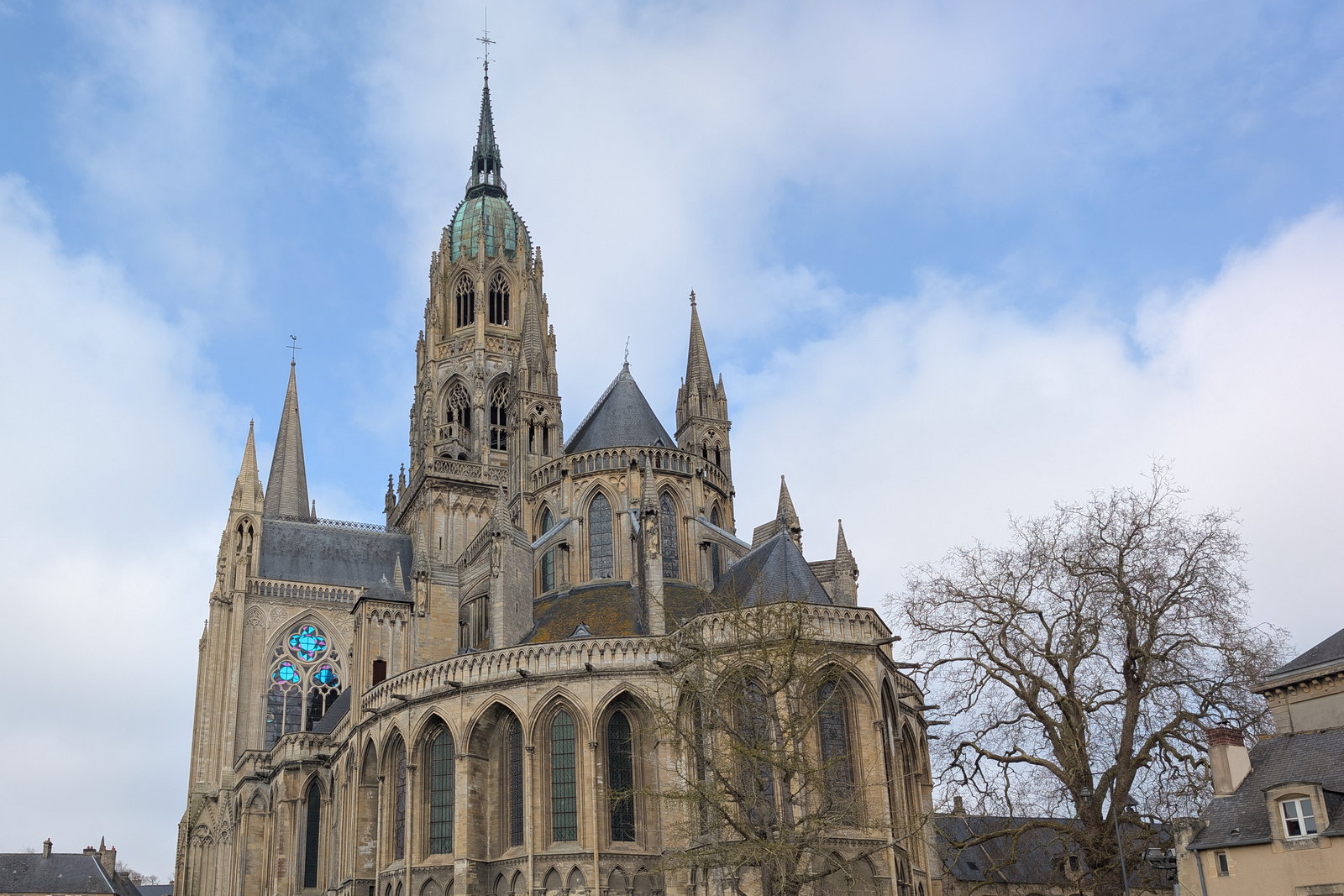
Photo spot in Bayeux & the D-Day Beaches
The Mulberry caissons at Arromanches
Concrete blocks the size of houses, towed across the Channel in 1944 and still standing in the bay and lying on the sand at low tide.
About The Mulberry caissons at Arromanches
Get directionsArromanches-les-Bains is a small seaside town in a shallow bay, and in the summer of 1944 it became a harbour. The Allies towed hollow concrete caissons — Phoenix units, each the size of a terraced house — across the Channel and sank them in an arc offshore to make a breakwater. Many are still there: a broken line on the horizon at high tide, and a handful lying on the sand within walking distance when the water goes out.
That is the frame. Walk out at low water and you can put a caisson behind you as a wall of rusting, barnacled concrete with the town small on the shore; from the beach at the eastern end you get the whole arc in the bay with the cliff of Cap Manvieux closing the view. The east–west beach takes side light morning and evening, and a grey Channel sky suits the subject better than blue.
The tide is not a detail here. The caissons on the sand are reachable for a couple of hours either side of low water, and the sea comes back across a very flat beach faster than people expect. Check a tide table when you book the hour, and keep an eye on the water rather than the camera.
The cliff road up to the viewpoint east of the town gives the arc from above, which is the one frame that makes the scale legible. It is a five-minute drive and worth it if you have the two-hour session.
Best time to shoot
Around low water, morning or evening, with a grey sky rather than a blue one
Tips
Check a tide table: the caissons on the sand are only reachable near low water and the sea returns quickly across a flat beach. The cliff viewpoint east of town shows the whole arc.
Recent work in Bayeux & the D-Day Beaches
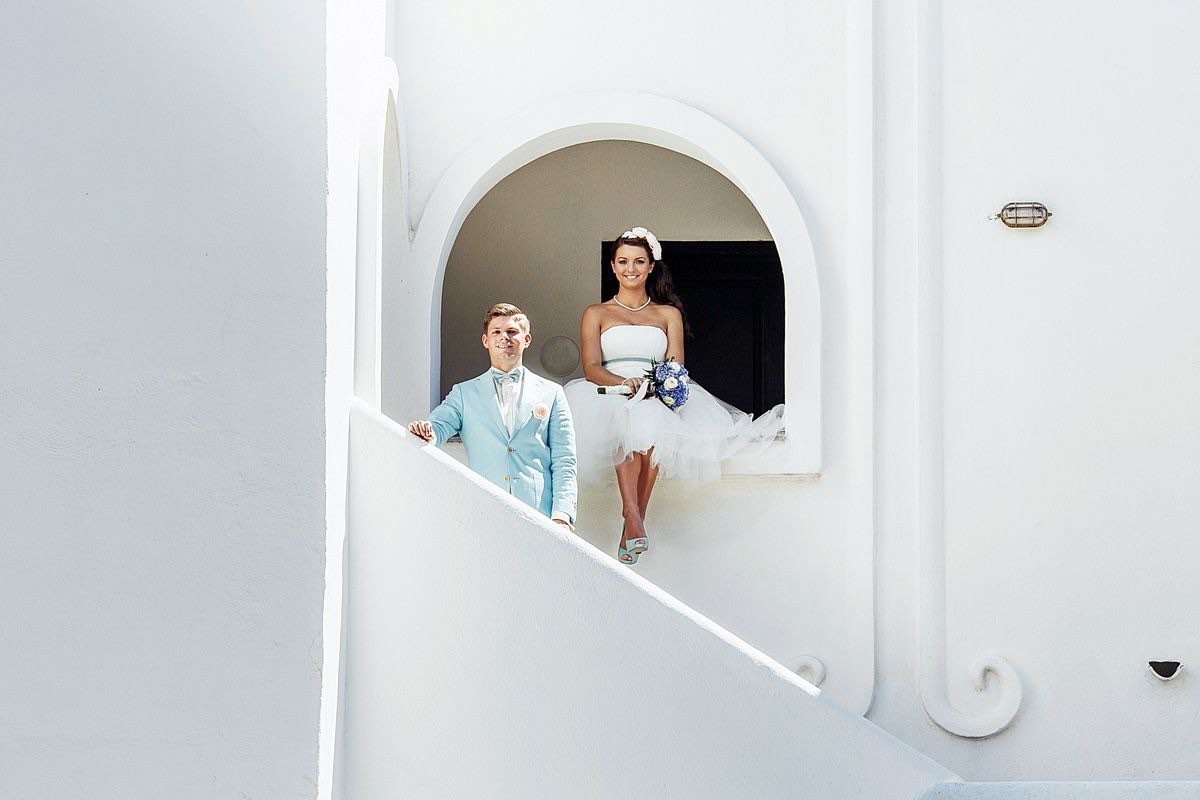
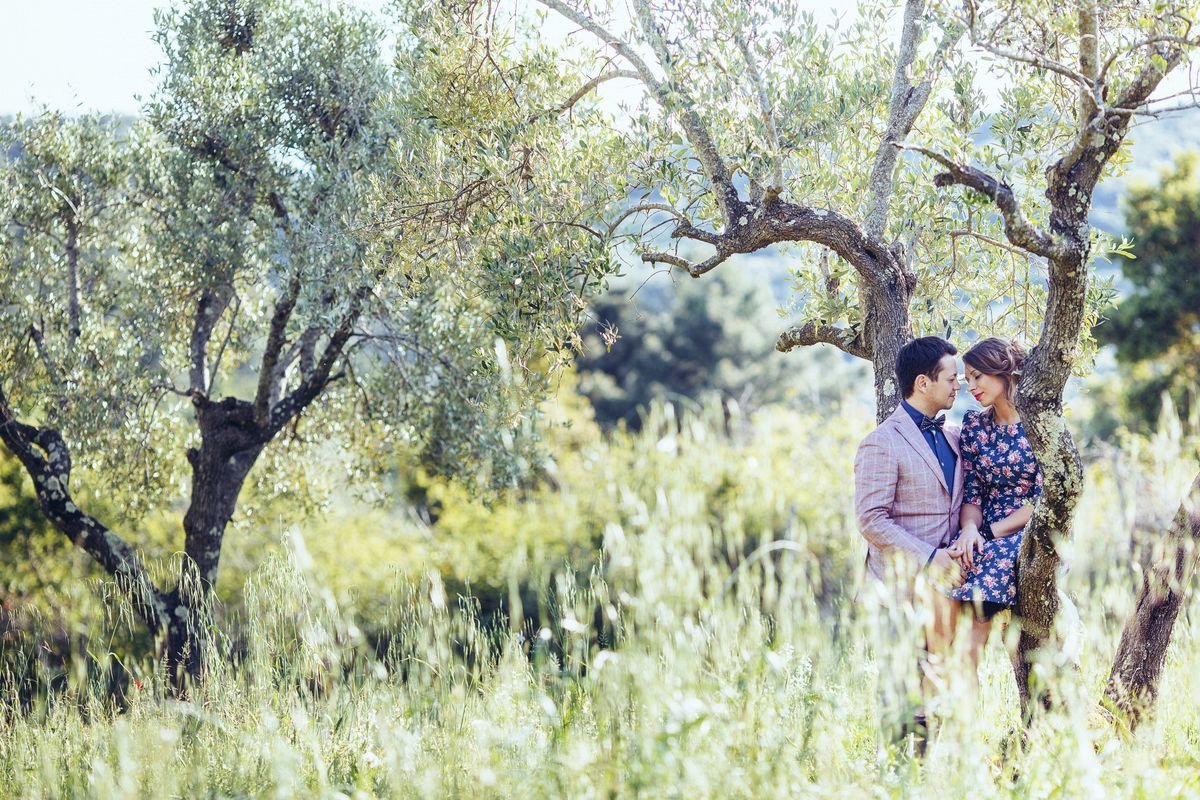
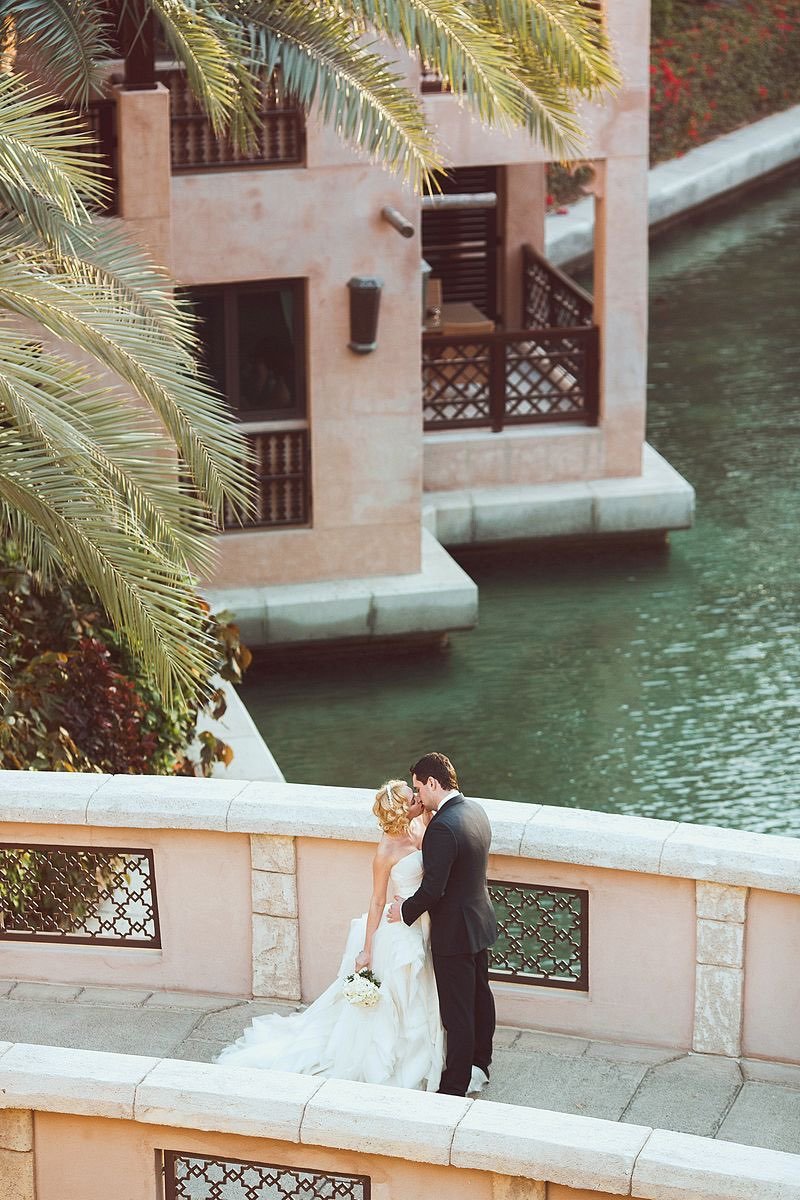
Portfolio shots by photographers covering this area

Natalia D.
View profile →
Natalia D.
View profile →

Natalia D.
View profile →

Natalia D.
View profile →

Natalia D.
View profile →

Natalia D.
View profile →

Natalia D.
View profile →
Natalia D.
View profile →

Natalia D.
View profile →

Natalia D.
View profile →

Natalia D.
View profile →
Natalia D.
View profile →

Natalia D.
View profile →
Natalia D.
View profile →
Natalia D.
View profile →

Natalia D.
View profile →

Natalia D.
View profile →
Photographers who shoot at The Mulberry caissons at Arromanches
Hand-picked professionals working in Bayeux & the D-Day Beaches


Other spots in Bayeux & the D-Day Beaches
Bayeux cathedral and the mill races of the Aure
A Romanesque nave under a Gothic upper church, a green-copper lantern tower — and, five minutes below it, a waterwheel turning behind the houses.
Omaha Beach and the cliff above Colleville-sur-Mer
Two kilometres of pale sand under a low bluff, with the American cemetery on the cliff above — the widest, emptiest frame on this coast.
Pointe du Hoc
A cliff-top field still folded into shell craters, with broken concrete bunkers standing on the edge above a thirty-metre drop.
Ready to book?
Our concierge team will hand-pick 2-3 photographers who know The Mulberry caissons at Arromanches — free of charge.