The French Basque Country photographers, ready to book
From $403 · hand-picked
Book a Elopement Photoshoot
in the French Basque Country
AI photographer match — instant
Describe your shoot, get hand-picked The French Basque Country pros in under 10 seconds.
Or browse all 25 photographers across France
Elopement Photographer in the French Basque Country
Intimate elopement photography for couples choosing to celebrate their love privately in one of the most beautiful countries in Europe.
2 photographers ready to shoot in the French Basque Country
Elopement Photographer packages in the French Basque Country
Pick a package, book it directly. Every price is all-inclusive — the photographer's time, edited photos, secure payment and our support.
About The French Basque Country
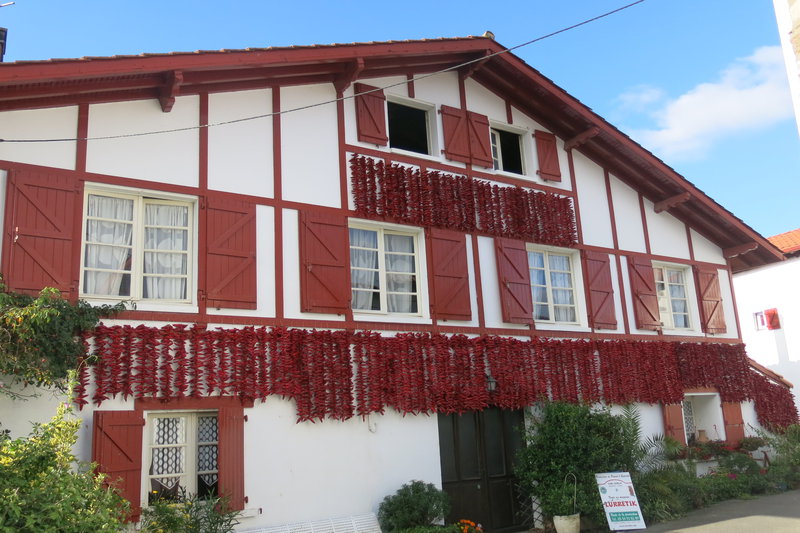
The French Basque Country packs four completely different backdrops into forty minutes of driving. Espelette is the one people picture: white houses with ox-blood timbers and shutters, and from late August into October, curtains of red peppers hung to dry across the fronts. It is a working crop with its own protected name, not decoration, and the strings come down after the pepper festival at the end of October — outside that window the village is still handsome, but the walls are bare. Ainhoa, ten minutes south, is a single long street of seventeenth- and eighteenth-century houses with dated lintels and painted timbers, a pelota wall beside the church, and almost nobody once the coach parties have moved on. Saint-Jean-de-Luz is the coast: a bay closed by three breakwaters so the water inside stays flat, a crescent of sand under the seafront houses, a working fishing harbour with Ciboure on the far quay, and the church of Saint-Jean-Baptiste, dark and gold under three tiers of wooden galleries, where Louis XIV married the Spanish Infanta in 1660. Biarritz is fifteen minutes up the coast and has its own page; this one stays in the bay and inland. The fourth backdrop is La Rhune, 905 metres of grass and bracken on the Spanish border, reached by a wooden rack railway that has climbed from the Col de Saint-Ignace since 1924 at walking pace, past pottok ponies and manech sheep, to a summit that looks down the whole coast. The train runs roughly from spring to early November and sells out in season — check the timetable and the summit forecast, because cloud can sit on the ridge all day while the coast is clear. Best months: June, then September into October, when the peppers are up and the Atlantic light is at its softest.
Other photoshoots in the French Basque Country
Real photos shot here
By the photographers on Photo France — tap any photo to open their profile
Margaux C.
View profile →
Margaux C.
View profile →
Margaux C.
View profile →
Yuliia B.
View profile →
Yuliia B.
View profile →
Yuliia B.
View profile →

Yann T.
View profile →
Yann T.
View profile →
Yuliia B.
View profile →
Yuliia B.
View profile →
Yuliia B.
View profile →
Yuliia B.
View profile →
Yann T.
View profile →
Yann T.
View profile →
Yuliia B.
View profile →
Yuliia B.
View profile →
Yann T.
View profile →
Yuliia B.
View profile →
Yuliia B.
View profile →
Yann T.
View profile →
Yann T.
View profile →
Yuliia B.
View profile →
Yuliia B.
View profile →
Yuliia B.
View profile →
Yuliia B.
View profile →
Yuliia B.
View profile →
Yann T.
View profile →
Yann T.
View profile →
Yuliia B.
View profile →
Yuliia B.
View profile →
Margaux C.
View profile →
Yuliia B.
View profile →
Yann T.
View profile →
Yuliia B.
View profile →
Yuliia B.
View profile →
Yann T.
View profile →
Yuliia B.
View profile →
Yann T.
View profile →
Yuliia B.
View profile →
Yuliia B.
View profile →
Yuliia B.
View profile →
Yuliia B.
View profile →
Choose your photographer
Or browse the elopement photographer pros covering The French Basque Country below — packages, ratings, and live availability.
Only 2 photographers available in the French Basque Country right now
These photographers are usually fully booked — especially on weekends and during peak season. Book now to secure your preferred date.
What travelers say about photoshoots in the French Basque Country
Real reviews from verified bookings
Charlotte F.
A huge thank you to Yann, whom we hired to capture our wedding. Contacting him was very easy, efficient, and friendly. Thanks to his extensive experience and professionalism, Yann immediately understood our expectations, guided us, and…
Yann T.
Photographer
Lisa L.
On May 23, 2026, we got married, and Yann was part of this wonderful adventure. From the very first moment, he was attentive, kind, and highly professional. He knows how to be present while remaining discreet when necessary, which we…
Yann T.
Photographer
Vincent
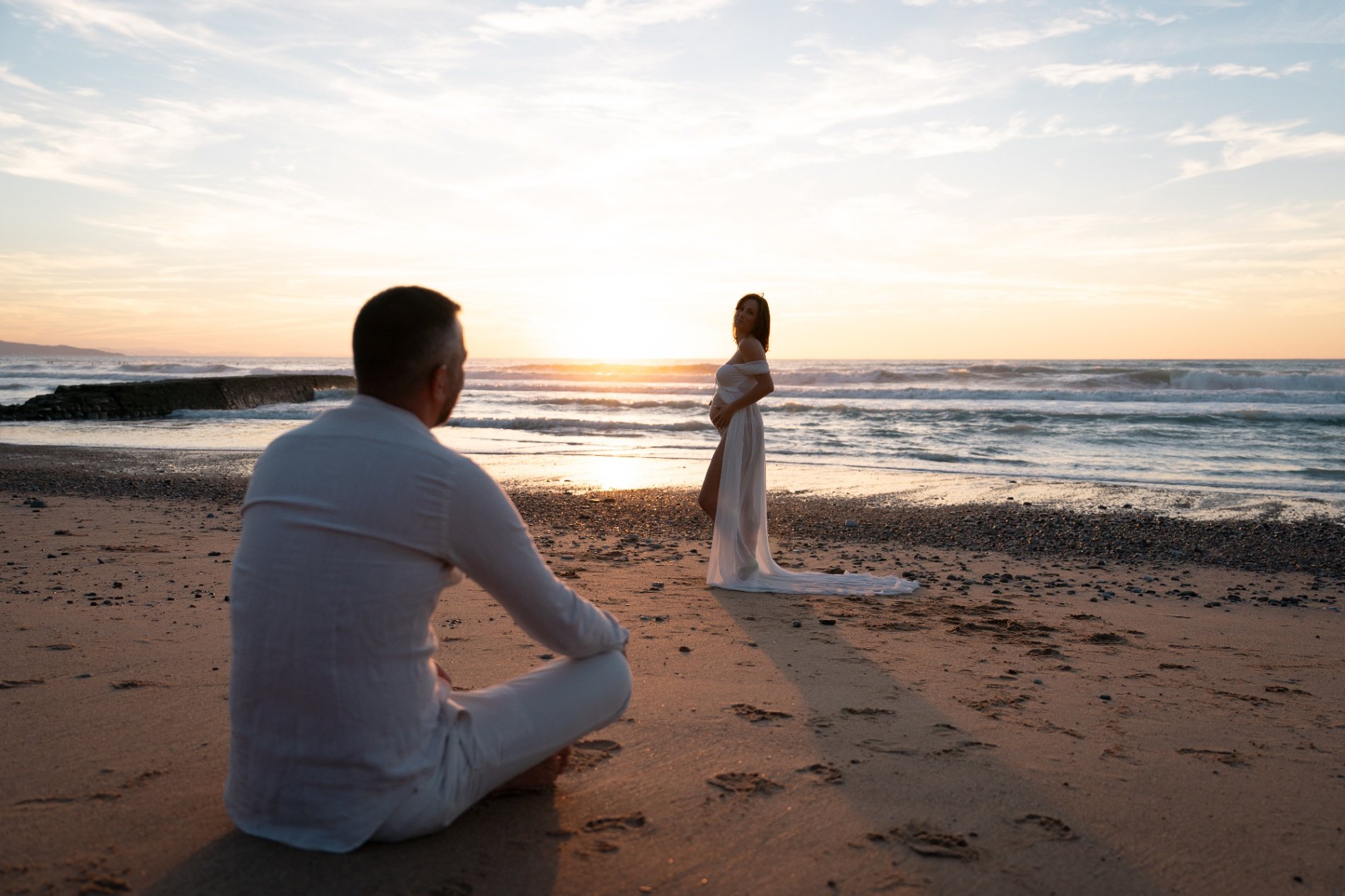
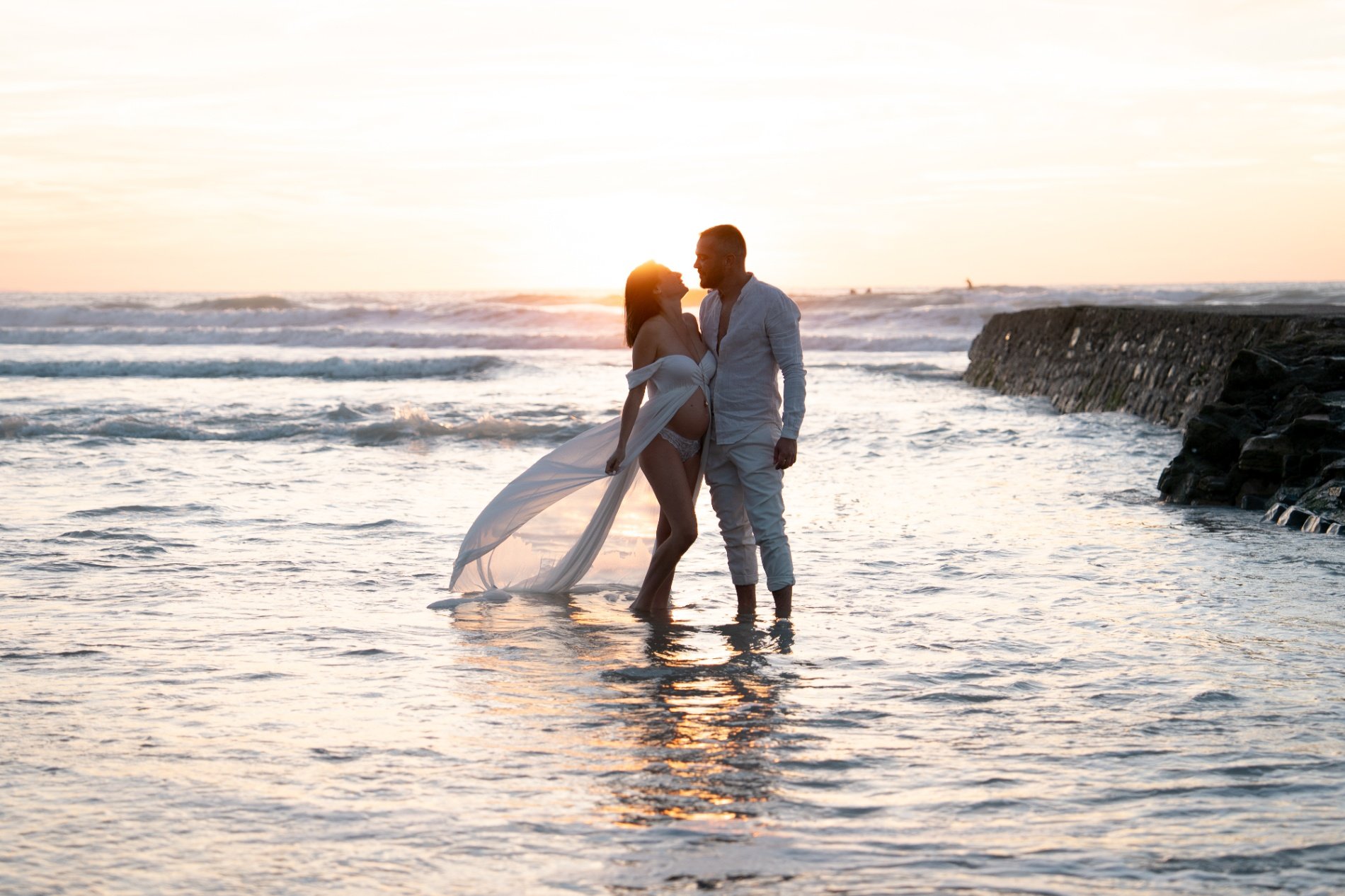
We had a wonderful time with Margaux at our photo session to capture the pregnancy with our first child on the beach in the Basque Country. She really listened to what we wanted, while also coming up with lots of ideas of her own. She…
Margaux C.
Photographer
Fanny C.
We booked Margaux for our maternity shoot. It was an incredible moment, and thanks to these wonderful photos we'll always have beautiful memories of it. Margaux put us at ease straight away and knew how to choose the right angles and…
Margaux C.
Photographer
Four Steps to Stunning Photos
From booking to delivery — we make professional photography effortless
Choose Your Path
Browse photographer profiles yourself and pick your favorite — or tell us your preferences and let our team hand-pick the perfect match for you.
Self-service or concierge — your choice
Book Instantly
Pick your date, choose a package, and book your session in minutes. Chat with your photographer to plan the details.
Secure payment with Apple Pay & Google Pay
Enjoy Your Shoot
Meet your photographer at the perfect location. Relax, be yourself, and let them capture your best moments.
Average session: 1-2 hours
Get Your Photos
Receive professionally edited photos in a private, password-protected gallery. View online, download individually, or grab the full ZIP.
Secure gallery with password protection
Your Money is Protected
Powered byWhen you book a session, your payment is securely held by Stripe — not charged to the photographer. The money is only released after you receive your edited photos and confirm you're happy with them. If something goes wrong, you can open a dispute and get a full refund. Zero risk.
Top Photo Spots in the French Basque Country
The most photogenic locations for your The French Basque Country photoshoot
Ainhoa's one painted street
A single long street of seventeenth- and eighteenth-century Basque houses with dated lintels, painted timbers and a pelota wall at the end of it.
Best time: Before 10am or after 6pm; light runs down the street at both ends of the day
A longer lens from the middle of the road stacks the painted fronts into a single wall of colour. The church interior is a good rain plan — ask first and stay out of services.
Espelette's pepper facades
White Basque houses hung with curtains of drying red peppers from late August to the end of October — the most recognisable wall in the region.
Best time: Before 10am, late August to the end of October; soft overcast beats hard sun
Do not wear red or orange — it disappears into the peppers. Shoot the whole facade from across the street first, then move in tight against the white wall.
Saint-Jean-de-Luz: the bay and the wedding church
A bay held flat by three breakwaters, a crescent of sand under the seafront houses, and the church where Louis XIV married the Spanish Infanta in 1660.
Best time: Sunset into the bay for the promenade; sunrise for an empty beach and the harbour
Ask at the church before photographing inside, and never during a service. Park on the edge of town in summer — the seafront meters are full by ten.
La Rhune and the cog railway
A wooden rack railway that has climbed 905 metres from the Col de Saint-Ignace since 1924, past ponies and sheep, to a summit on the Spanish border.
Best time: First or last departure of the day; roughly spring to early November
Check the summit forecast the same morning — cloud sits on the ridge while the coast stays clear. Book the train ahead in July and August, and bring a layer for the wind.
Frequently asked questions
Do we need a permit to elope in France?
It depends on what kind of ceremony you want. A symbolic ceremony — exchanging vows with a celebrant or just each other — needs no permit at all and can happen in a lavender field, on a clifftop or a mountain meadow; this is what almost all eloping couples choose, handling the legal paperwork at home before or after. A legally binding civil wedding in France is only possible at a town hall and requires that one of you has lived in that commune for at least a month, which rules it out for most visitors. Note that some sites — the gardens of Versailles, Paris museums, certain protected beaches — restrict professional photography, so ceremonies happen near, not inside them. Your Photo France photographer will flag any location-specific rules during planning.
How long does an elopement photography session last?
It scales with your day. The minimal version is a 60-90 minute session covering the vows and a portrait walk — from €300, ideal if you're keeping things spontaneous. Half-day coverage (3-4 hours) adds getting ready, the journey to the spot, and a relaxed golden-hour portrait session after the ceremony. Full-day coverage follows the whole story from morning coffee to a candlelit dinner table. Most eloping couples in France land in the middle: ceremony at a quiet hour, then a slow wander through a Provençal village or along the Étretat cliffs as newlyweds. Describe your day to your Photo France photographer and they'll recommend honest coverage — nobody will upsell you hours you won't need.
Can our photographer recommend ceremony locations?
Yes — this is where a local photographer earns their keep twice over. They know which lavender fields near Gordes are on private land and which welcome couples, which stretch of the Étretat cliffs stays empty at sunrise, what time the light drops behind the Aiguille du Midi above Chamonix, and which spots that look perfect on Instagram are actually next to a coach car park. Tell them the mood you want — vast and dramatic, soft and intimate, village-romantic — and you'll get concrete suggestions with photos, timing advice and honest warnings. They can also connect you with celebrants, florists and musicians they've worked with. Couples consistently tell us the location their photographer suggested beat the one they'd found researching from home.
How much does a photoshoot in the French Basque Country cost?
Professional photoshoots in the French Basque Country start from €310. Packages differ by duration and the number of edited photos — an hour in Espelette or on the Saint-Jean-de-Luz seafront sits at the lower end, while a two-hour route linking the pepper facades, Ainhoa and the bay usually runs to about €450. The driving between villages is planned into the session.
What are the best photo spots in the French Basque Country?
The pepper-hung facades on Espelette's main street, the single painted street of Ainhoa with its pelota wall beside the church, the Saint-Jean-de-Luz seafront and the church where Louis XIV was married, and the summit of La Rhune at the top of the cog railway. Your photographer will order them so the driving falls between the good light rather than through it.
What is the best time of day and season for photos here?
Early morning and the last hour before sunset; the Atlantic haze softens both. Villages are empty before ten and crowded by noon in summer. The peppers hang on the Espelette facades from late August to the end of October, which is also when the light is warmest. June is green and quiet, and winter is wet with many shutters closed.
Ready to book your elopement photographer in the French Basque Country?
Browse verified photographers and book in minutes — no commitment, money-back guarantee.