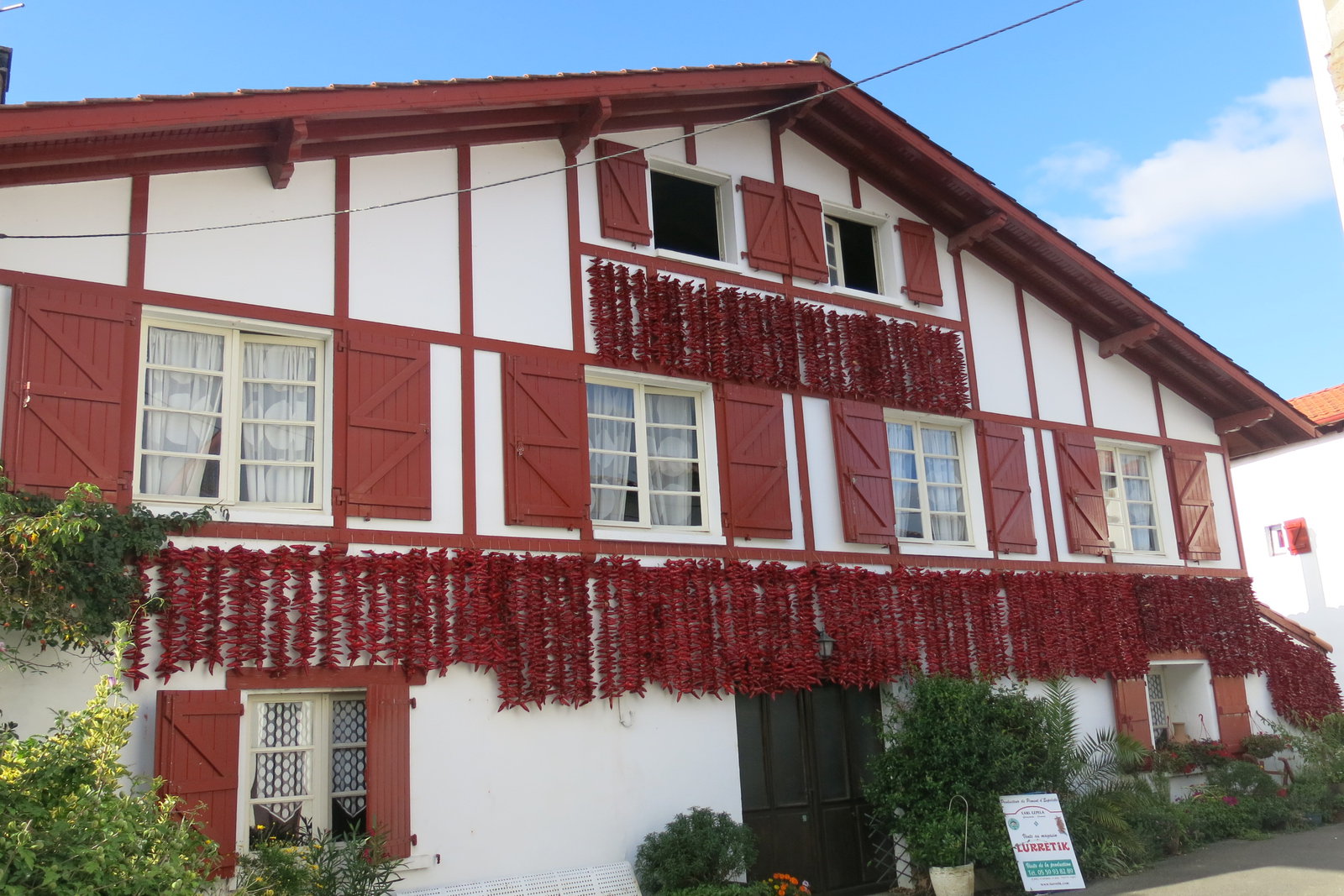
Photo spot in The French Basque Country
La Rhune and the cog railway
A wooden rack railway that has climbed 905 metres from the Col de Saint-Ignace since 1924, past ponies and sheep, to a summit on the Spanish border.
About La Rhune and the cog railway
Get directionsLa Rhune is the last real mountain before the Atlantic, and the way up it is half the photograph. The rack railway has run from the Col de Saint-Ignace above Sare since 1924: open wooden carriages, thirty-five minutes at walking pace, the grass falling away on both sides and pottok ponies and manech sheep grazing right beside the track. Sit on the outside end of a bench and shoot along the carriage as it climbs — the wood, the open sides and the moving landscape do most of the work.
At 905 metres the summit straddles the French-Spanish border. On a clear day you see the whole coast from Biarritz down into Spain on one side and the folded green Pyrenean foothills on the other, and the ridge itself is bare grass and bracken, which means a clean horizon in any direction. That is unusual and worth the trip on its own.
Weather rules everything. Cloud can sit on the ridge all day while the coast below is in full sun, and there is no view at all from inside it. Check the summit forecast on the morning, not the week before. Wind on the top is constant enough to plan hair and dresses around, and it is markedly colder than the beach — bring a layer.
The train runs roughly from spring into early November and sells out in July and August; book ahead. Walking up from the col takes about two hours if the train is full or shut.
Best time to shoot
First or last departure of the day; roughly spring to early November
Tips
Check the summit forecast the same morning — cloud sits on the ridge while the coast stays clear. Book the train ahead in July and August, and bring a layer for the wind.
Recent work in The French Basque Country
Portfolio shots by photographers covering this area

Natalia D.
View profile →

Yuliia B.
View profile →

Yann T.
View profile →
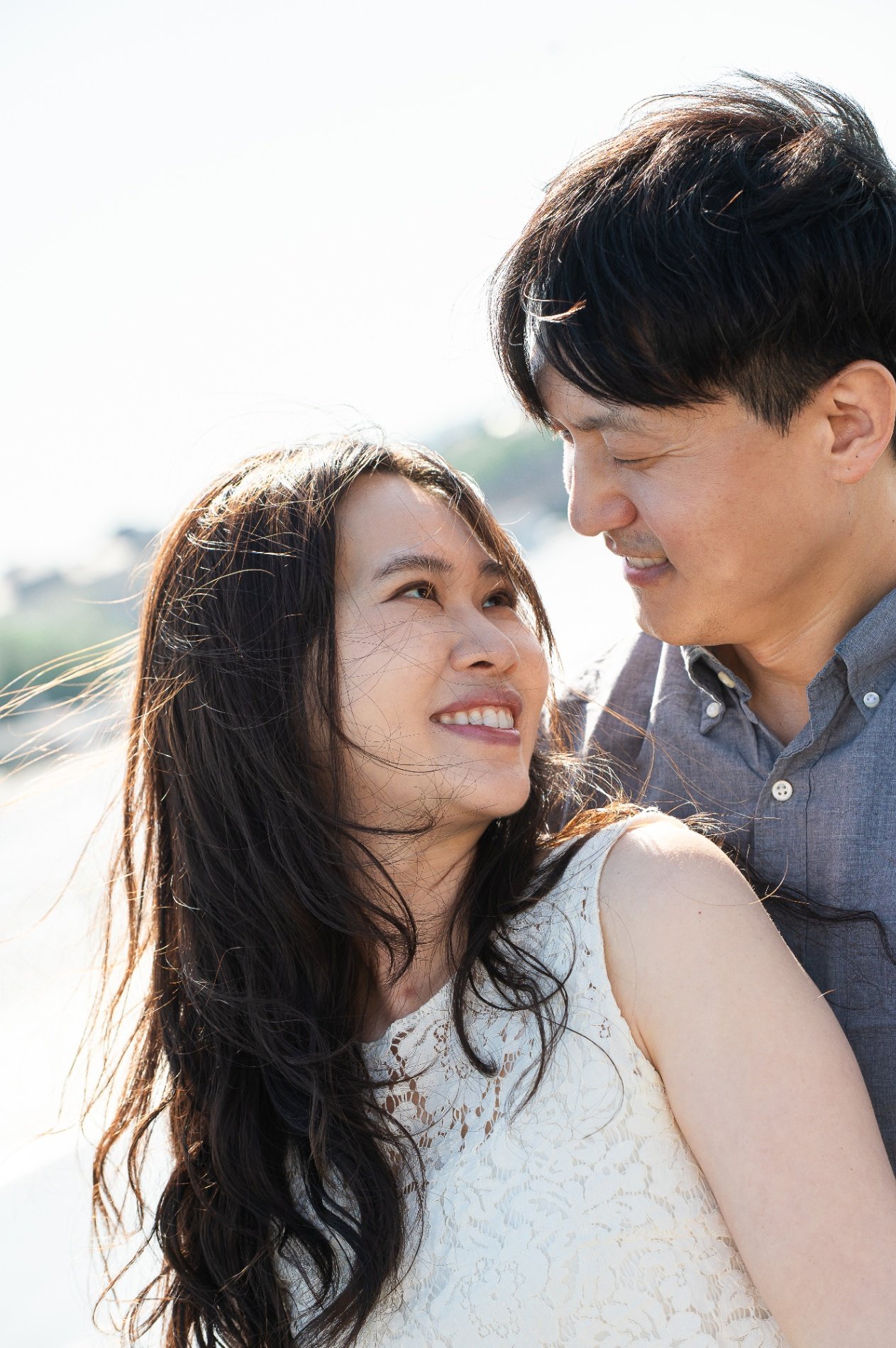
Yann T.
View profile →
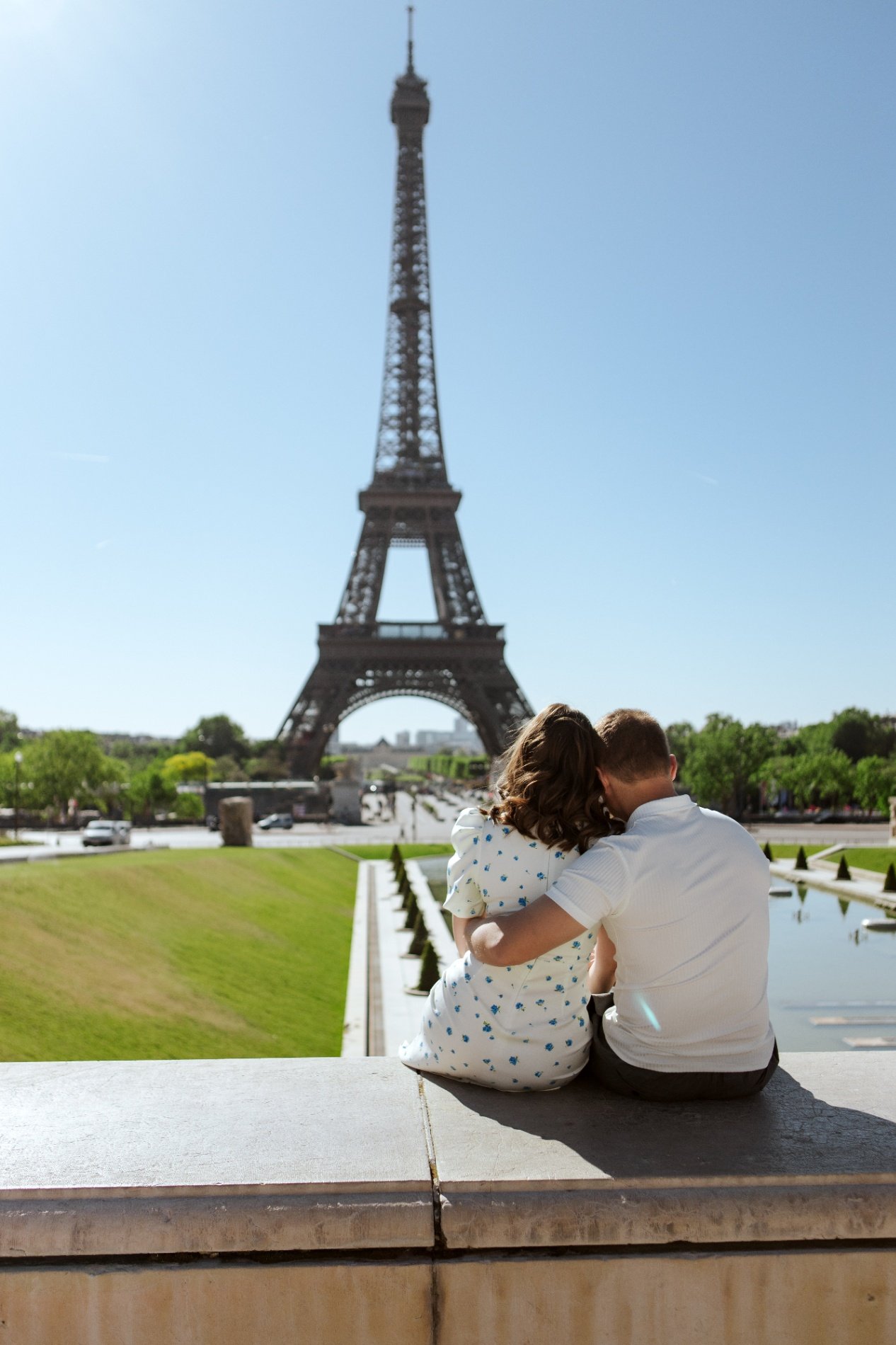
Yuliia B.
View profile →
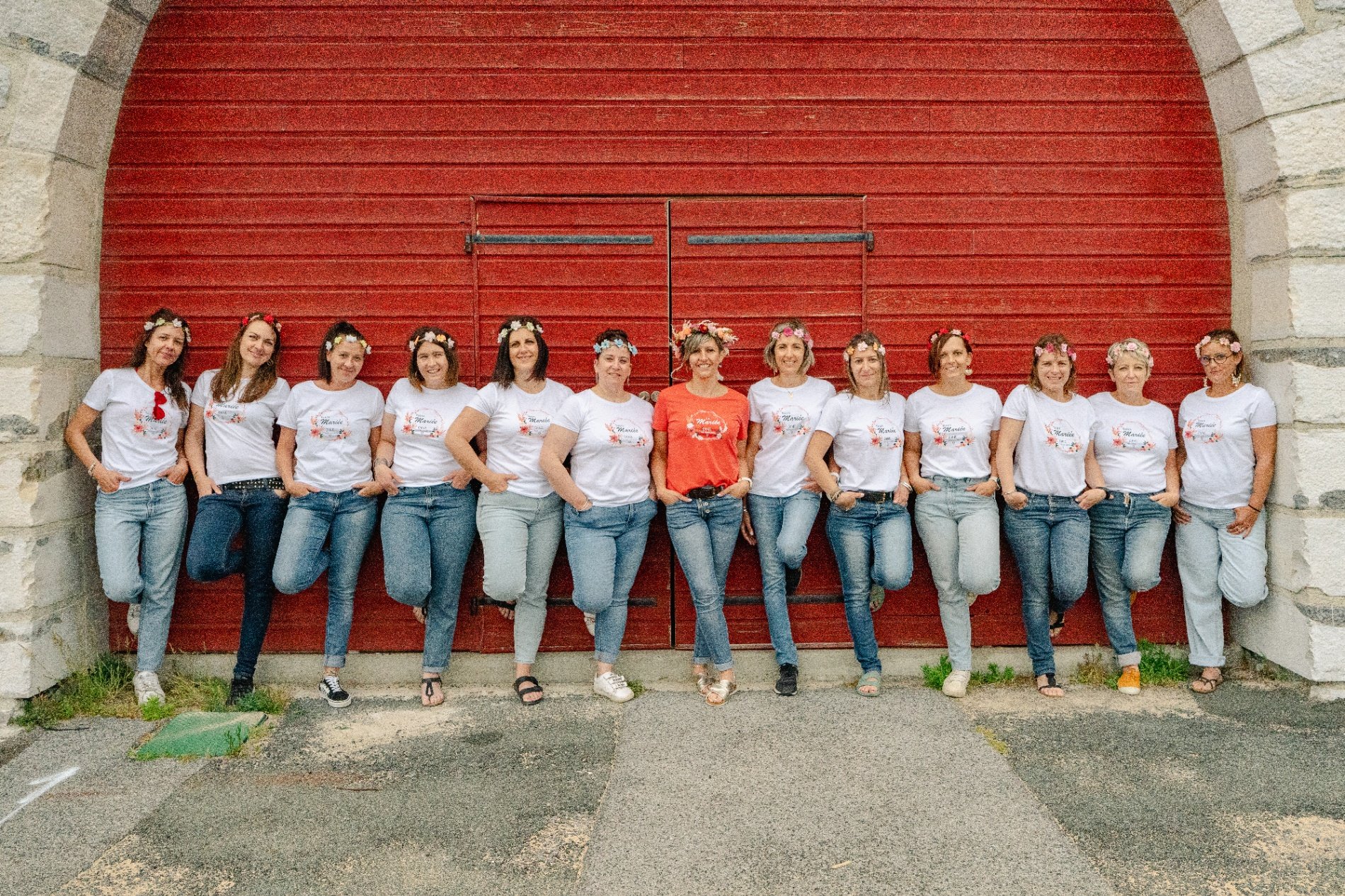

Margaux C.
View profile →
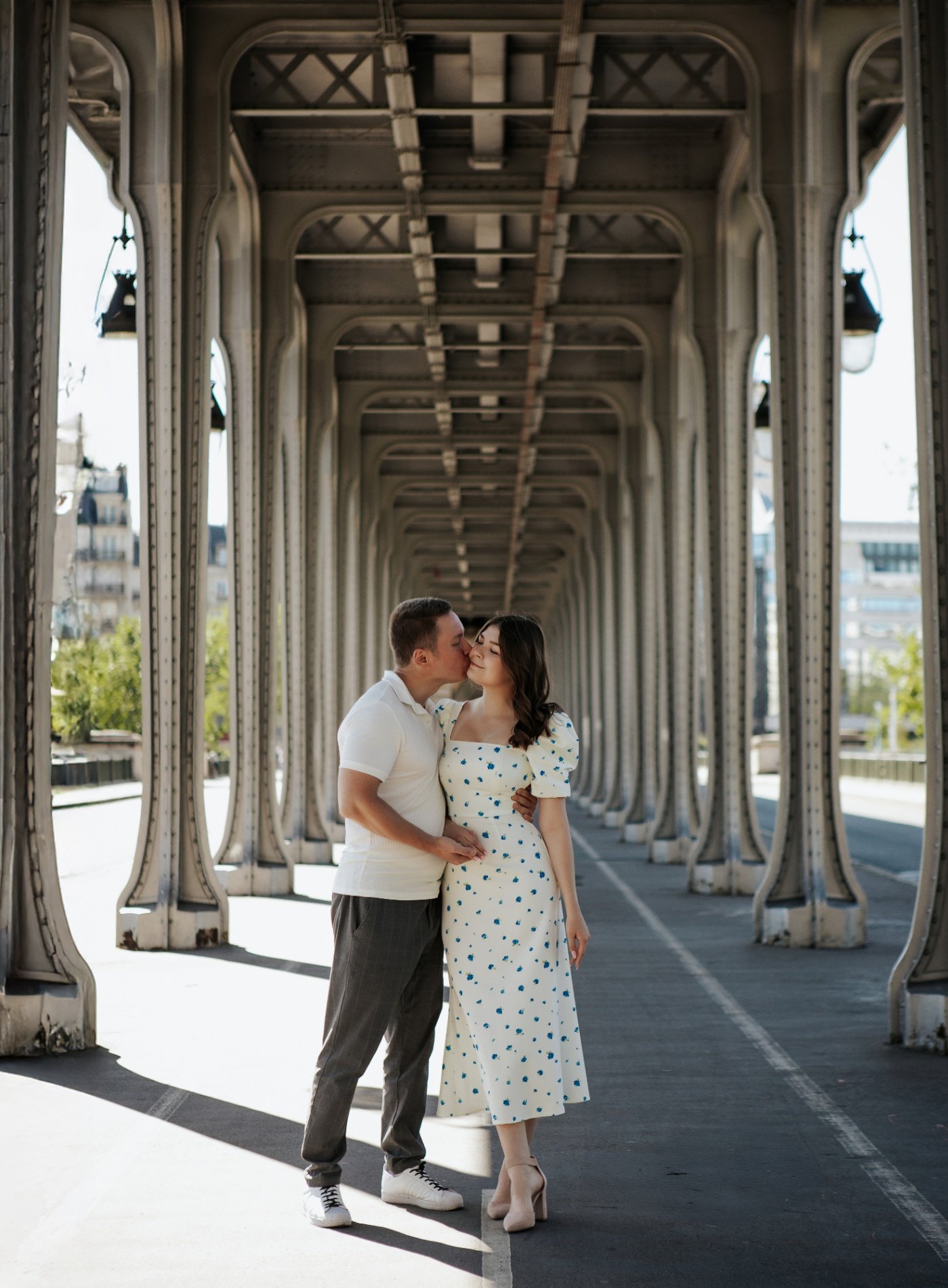
Yuliia B.
View profile →
Yuliia B.
View profile →
Natalia D.
View profile →
Natalia D.
View profile →
Yuliia B.
View profile →
Yuliia B.
View profile →
Natalia D.
View profile →
Yuliia B.
View profile →
Yann T.
View profile →
Yann T.
View profile →
Yann T.
View profile →
Yann T.
View profile →
Yuliia B.
View profile →
Yuliia B.
View profile →
Yuliia B.
View profile →
Yann T.
View profile →
Yuliia B.
View profile →
Margaux C.
View profile →
Natalia D.
View profile →
Yuliia B.
View profile →
Yuliia B.
View profile →
Yuliia B.
View profile →
Yann T.
View profile →
Yuliia B.
View profile →
Yann T.
View profile →
Photographers who shoot at La Rhune and the cog railway
Hand-picked professionals working in The French Basque Country
Real reviews from The French Basque Country photoshoots
Charlotte F.
A huge thank you to Yann, whom we hired to capture our wedding. Contacting him was very easy, efficient, and friendly. Thanks to his extensive experience and professionalism, Yann immediately understood our expectations, guided us, and…
Yann T.
Photographer
Lisa L.
On May 23, 2026, we got married, and Yann was part of this wonderful adventure. From the very first moment, he was attentive, kind, and highly professional. He knows how to be present while remaining discreet when necessary, which we…
Yann T.
Photographer
Vincent
We had a wonderful time with Margaux at our photo session to capture the pregnancy with our first child on the beach in the Basque Country. She really listened to what we wanted, while also coming up with lots of ideas of her own. She…
Margaux C.
Photographer
Other spots in The French Basque Country
Espelette's pepper facades
White Basque houses hung with curtains of drying red peppers from late August to the end of October — the most recognisable wall in the region.
Ainhoa's one painted street
A single long street of seventeenth- and eighteenth-century Basque houses with dated lintels, painted timbers and a pelota wall at the end of it.
Saint-Jean-de-Luz: the bay and the wedding church
A bay held flat by three breakwaters, a crescent of sand under the seafront houses, and the church where Louis XIV married the Spanish Infanta in 1660.
Ready to book?
Our concierge team will hand-pick 2-3 photographers who know La Rhune and the cog railway — free of charge.