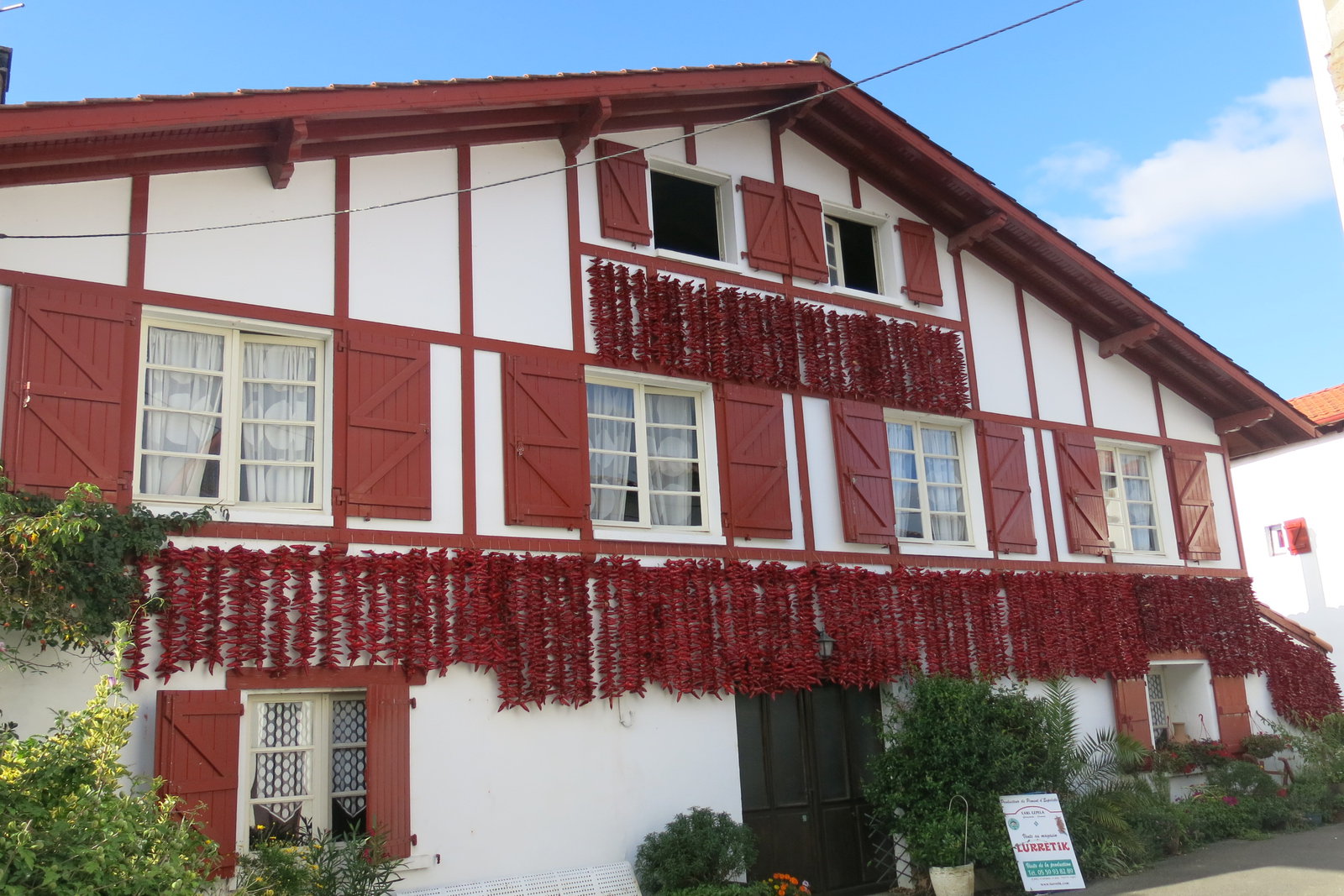
Photo spot in The French Basque Country
Ainhoa's one painted street
A single long street of seventeenth- and eighteenth-century Basque houses with dated lintels, painted timbers and a pelota wall at the end of it.
About Ainhoa's one painted street
Get directionsAinhoa is a bastide village that never grew: one street, houses on both sides, church at one end and open country at the other. The fronts are white with red or dark green timbers, many carry a carved lintel with the builder's name and a date in the sixteen or seventeen hundreds, and the whole line is close enough to fit in one frame from the middle of the road. Beside the church, a fronton — the high wall Basque pelota is played against — closes the view with a flat white rectangle that photographs like a studio backdrop.
Work it as a corridor. Stand in the road and use the receding fronts as a lead; the street is long and straight, so a longer lens stacks the balconies into a wall of colour. Then step into the church, which is dark, low and lined with two tiers of wooden galleries — a completely different register for a portrait, and honest about being a church, so ask, keep quiet and stay out of services.
Coaches come through in the middle of the day and park on the main road; before ten and after six the street is essentially empty. The village faces roughly north-south, so first and last light run down its length instead of across it, which is exactly what you want.
There are no barriers and no fee, but this is a residential street with cars on it. Watch for traffic behind you when you back up for a wide frame, and keep out of the doorways.
Best time to shoot
Before 10am or after 6pm; light runs down the street at both ends of the day
Tips
A longer lens from the middle of the road stacks the painted fronts into a single wall of colour. The church interior is a good rain plan — ask first and stay out of services.
Recent work in The French Basque Country
Portfolio shots by photographers covering this area

Yann T.
View profile →

Yuliia B.
View profile →
Yann T.
View profile →
Yuliia B.
View profile →
Yann T.
View profile →
Yuliia B.
View profile →
Yuliia B.
View profile →
Yuliia B.
View profile →
Natalia D.
View profile →
Yann T.
View profile →
Yuliia B.
View profile →
Yuliia B.
View profile →
Yuliia B.
View profile →

Margaux C.
View profile →
Yuliia B.
View profile →
Yuliia B.
View profile →
Yann T.
View profile →
Yann T.
View profile →
Yuliia B.
View profile →
Natalia D.
View profile →
Margaux C.
View profile →
Margaux C.
View profile →
Natalia D.
View profile →
Yuliia B.
View profile →
Yann T.
View profile →
Yann T.
View profile →
Natalia D.
View profile →
Yann T.
View profile →
Yuliia B.
View profile →
Yann T.
View profile →
Margaux C.
View profile →
Natalia D.
View profile →
Photographers who shoot at Ainhoa's one painted street
Hand-picked professionals working in The French Basque Country
Real reviews from The French Basque Country photoshoots
Charlotte F.
A huge thank you to Yann, whom we hired to capture our wedding. Contacting him was very easy, efficient, and friendly. Thanks to his extensive experience and professionalism, Yann immediately understood our expectations, guided us, and…
Yann T.
Photographer
Lisa L.
On May 23, 2026, we got married, and Yann was part of this wonderful adventure. From the very first moment, he was attentive, kind, and highly professional. He knows how to be present while remaining discreet when necessary, which we…
Yann T.
Photographer
Vincent
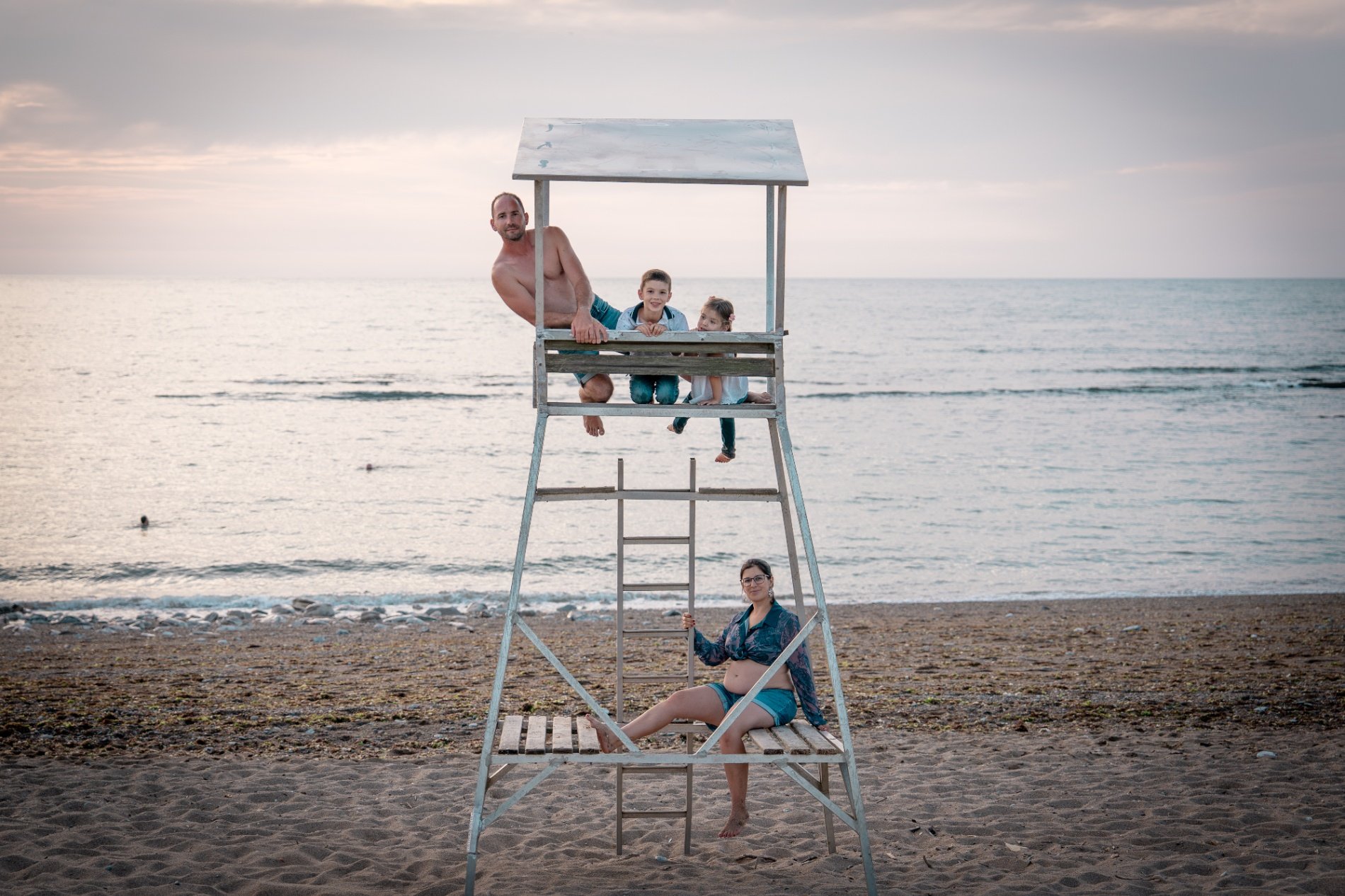
We had a wonderful time with Margaux at our photo session to capture the pregnancy with our first child on the beach in the Basque Country. She really listened to what we wanted, while also coming up with lots of ideas of her own. She…
Margaux C.
Photographer
Other spots in The French Basque Country
Espelette's pepper facades
White Basque houses hung with curtains of drying red peppers from late August to the end of October — the most recognisable wall in the region.
Saint-Jean-de-Luz: the bay and the wedding church
A bay held flat by three breakwaters, a crescent of sand under the seafront houses, and the church where Louis XIV married the Spanish Infanta in 1660.
La Rhune and the cog railway
A wooden rack railway that has climbed 905 metres from the Col de Saint-Ignace since 1924, past ponies and sheep, to a summit on the Spanish border.
Ready to book?
Our concierge team will hand-pick 2-3 photographers who know Ainhoa's one painted street — free of charge.