How to Choose Your Wedding Photographer in France (2026 Guide)
Of everything you book for a wedding in France, the photographer is the only purchase you will still be looking at in thirty years. The flowers wilt, the menu is forgotten, the photographs stay. Choosing that person — often in a country you don't live in, in a language you may not speak — is mostly a matter of asking the right questions in the right order. Here is that order, the honest 2026 version, for couples marrying anywhere from a Loire château to a Provence farmhouse.
Decide your style before you browse
There are two broad schools, and most disappointment comes from hiring one while wanting the other. Documentary photographers work unposed: they follow the day, catch your grandmother laughing, and direct you as little as possible. Editorial photographers direct: they build magazine-grade portraits with deliberate light and posing, and the couple session is the heart of their day. Most professionals blend both, but every portfolio leans one way. Decide which look you want on your wall before you open a single profile — it will cut your shortlist in half instantly.
Judge full galleries, not highlight reels
A portfolio is the best thirty frames from a decade. What you are actually buying is a full day, so ask every shortlisted photographer for two or three complete wedding galleries — ideally one from a grey day. You are looking for consistency: are frames 400 to 500 as considered as frames 1 to 30? Do the dinner and dancing photos hold up once the golden light is gone? And read verified reviews — the kind written by clients who genuinely booked and paid, not testimonials the photographer curated onto their own site.
Château venues change the coverage plan
A château wedding is not a hotel wedding with better walls, and it changes the maths of coverage. In the Loire or in Provence, preparation rooms, the ceremony spot, cocktails and dinner can sit hundreds of metres apart across courtyards and gardens — that walking time comes out of your coverage hours. Old stone interiors are darker than they look, so competence in low light and off-camera flash matters more than at a beach wedding. Ask three venue-specific questions: Have you shot here, or will you scout it before the day? How do you handle the distances? Do we need a second photographer for a property this size? Also ask the venue about photo rules — some historic properties restrict drones or interior flash.
French light: June vs September
Neither month is better; the schedule is simply different. In June, in central France, the sun sets around 21:45–22:00. Golden hour lands after dinner has started, so the couple session happens late — agree with your caterer that you will vanish for twenty minutes between courses. In September the sun sets before 20:00 and the best light arrives conveniently during cocktails; the sun is lower and softer all day, and vineyard venues turn gold. June buys you a long, bright evening; September buys you gentler light and easier timing. Your photographer should be able to sketch the light plan for your exact date — that ability is itself a hiring signal.
The questions that separate professionals
Ask them plainly: Do you shoot with two camera bodies and duplicate memory cards? Are you insured? What happens if you are ill on the day? Who does the editing — you or an outsourcer? How many images will we receive, and when? Are travel and accommodation included for our venue? A professional answers all of this without flinching; hesitation on backups or insurance is a red flag, whatever the portfolio looks like.
What clients say about this kind of shoot
Aurélie was the photographer for our wedding in June 2026, and we couldn't be happier with her work. Everything went perfectly, from the initial booking and planning call to the wedding day itself, right through to the delivery of our photos. Aurélie was incredibly kind, thoughtful, and supportive throughout the entire process. She took the time to listen to our wishes while also suggesting photo ideas we would never have thought of ourselves — and we are so grateful to have those memories today. The photographs are absolutely beautiful and perfectly reflect the style shown on her website. She was also extremely responsive to our emails and always took the time to answer every question we had. A huge thank you for your professionalism, your kindness, and for giving us such a beautiful lasting memory of our wedding day. ❤️
— Julia & Mehdi on Aurélie B.
Aurélie is an incredible photographer — available, attentive, diligent and, above all, extremely talented. We chose her to photograph our wedding, and we immediately felt we were in the best of hands. She approaches every wedding as a unique story, taking the time to understand each couple so she can create images that truly reflect who they are, while bringing her own artistic touch. She is both discreet and incredibly patient, while remaining highly efficient. Her photographs are beautiful, full of life, and capture genuine moments, details and portraits with remarkable spontaneity. Every image perfectly reflects the atmosphere of the day. In short, you can trust her completely. Thank you again!
— Louise & Martin on Aurélie B.
We turned to Aurélie to capture our wedding, and we couldn't have dreamed of a better photographer for such an important day. Her work is quite simply exceptional. The photos are beautiful, natural, elegant and, above all, full of emotion. She captured all those little moments we sometimes hadn't even noticed on the day, and that let us relive it today with the very same feeling. What we particularly loved about Aurélie is her discretion. She knows how to be in the right place at the right moment, without ever being intrusive. You completely forget the camera is there, which is what makes the shots so spontaneous and genuine. Beyond her talent, Aurélie is a lovely person — gentle, professional and attentive. She put us at ease and blended perfectly into our wedding and among our guests. We are more than delighted with the result and we will treasure these photos all our lives. Thank you so much, Aurélie, for immortalising one of the most beautiful moments of our life. We recommend her with our eyes closed to every future bride and groom! 🤍
— Alizee & Arthur on Aurélie B.
We received the album and we absolutely love it. The photographs are stunning. The design of the box is perfect — so elegant and chic. Thank you again for all these beautiful memories.
— Anne-Sophie & Biskher on Aurélie B.
Aurélie, by all the gods (if they even exist)… as always, absolutely breathtaking. We'll take the time to truly enjoy them and bring them to life beyond the screen. In the meantime, with just one glance, you've already taken us right back to that wonderfully unforgettable day. Thank you a thousand times.
— Manon & Axel on Aurélie B.
What packages typically include
A standard package covers an agreed number of hours, a professionally edited high-resolution gallery delivered online, and personal printing rights. Albums, prints, a second shooter and extra hours are usually add-ons. Counts and delivery times vary widely — what matters is that both are written down before you sign anything.
Do the pre-wedding session
The single cheapest upgrade to your wedding photos is an hour in front of the same camera a few days earlier. You learn how your photographer directs, they learn how you move together and which side you favour, and on the day itself the awkwardness is already spent. In France it doubles as its own occasion — a couple session in the venue's gardens or the nearest old town, and the images arrive in time for a welcome-dinner slideshow.
Deposits and contracts, in plain terms
The usual shape: a deposit — commonly a percentage of the total — reserves your date and is typically non-refundable, with the balance due shortly before or on the day. Before signing, check three clauses: what happens if you postpone rather than cancel, what happens if the photographer cannot attend, and what rights each side has over the images. Get it in writing, in a language you fully understand. This is general guidance, not legal advice — but a photographer who resists putting terms in writing has answered your real question already.
Where to start
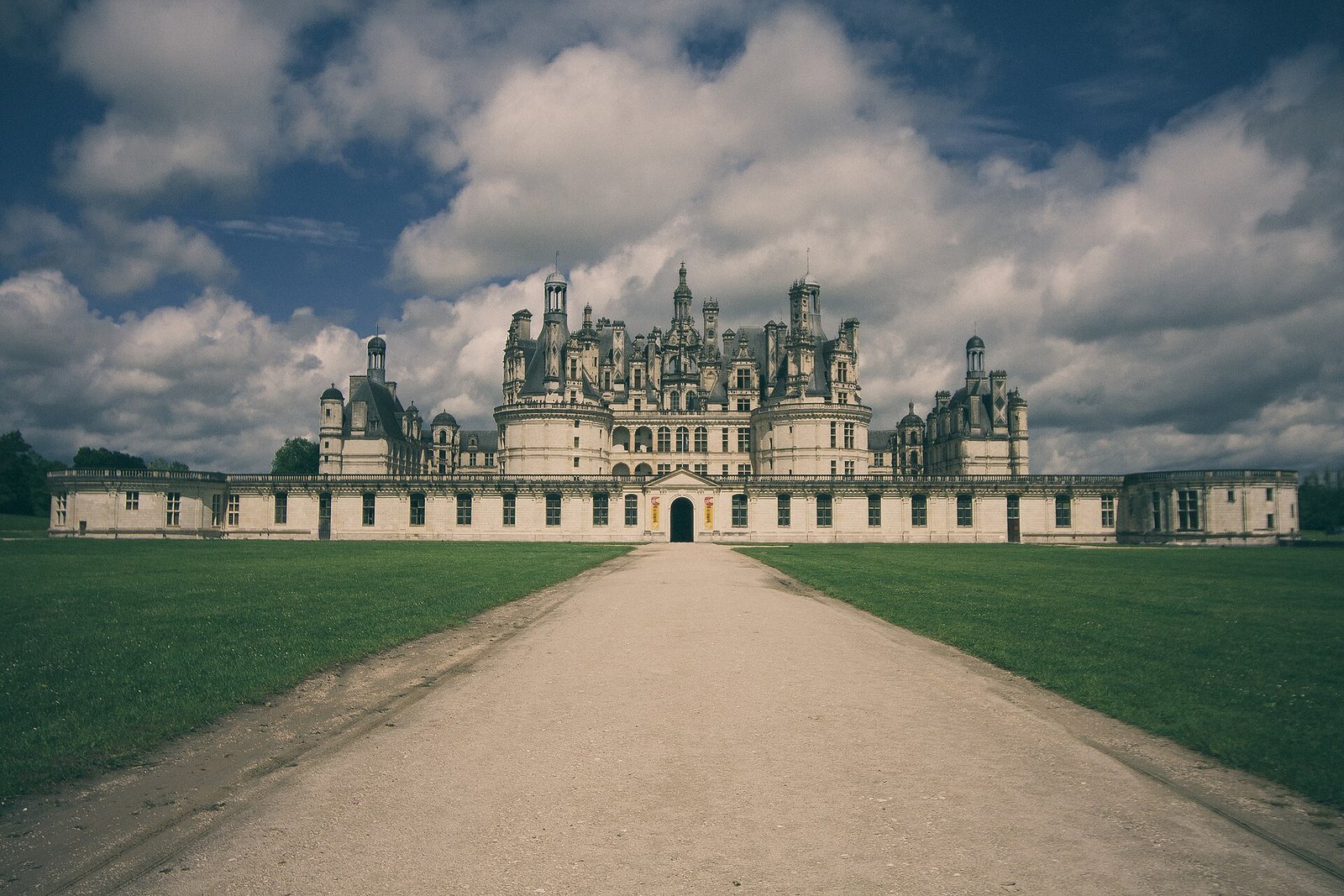
Photo France lists photographers across the country with verified reviews from real bookings — portrait and couple sessions from €299, wedding coverage quoted per package. Browse our photographers by region and style, and if the Loire is calling, start dreaming at Chambord.
Frequently asked questions
What questions should I ask a wedding photographer in France before booking?
Ask the plain ones: Do you shoot with two camera bodies and duplicate memory cards? Are you insured? What happens if you are ill on the day? Who does the editing? How many images will we receive, and when? Are travel and accommodation to our venue included? Then ask for two or three complete wedding galleries, ideally one from a grey day, rather than a highlight reel. A professional answers all of this without hesitation.
Do we need a second photographer for a château wedding?
It depends on the property. In a Loire or Provence château, the preparation rooms, ceremony spot, cocktails and dinner can sit hundreds of metres apart, and old stone interiors are darker than they look. Ask whether the photographer has shot the venue or will scout it, how they handle the distances, and whether the size justifies a second shooter. Also ask the venue about its own rules on drones and interior flash.
How much deposit does a wedding photographer in France usually ask for?
Commonly a percentage of the total, which reserves your date and is typically non-refundable, with the balance due shortly before or on the day. Before signing, check what happens if you postpone rather than cancel, what happens if the photographer cannot attend, and which rights each side holds over the images. Insist on a written contract in a language you fully understand. This is general guidance, not legal advice.
Is a pre-wedding photoshoot in France worth it?
Yes, it is the cheapest upgrade to your wedding photos. An hour in front of the same camera a few days earlier teaches you how the photographer directs and spends the awkwardness before the big day. Photo France lists vetted local photographers, and couple sessions can be arranged through Quick Booking from €299 for any listed region on any date, with a photographer assigned within 24 hours. Edited photos usually arrive online within about a week.
Want professional photos at the Château de Chambord?
Browse portfolios, compare packages, and book a verified local photographer in minutes.