Best Time for a Photoshoot in France: Seasons & Light (2026)
There is no single best month for a photoshoot in France, and anyone who tells you otherwise is selling something. The country stretches from Alpine glaciers to Mediterranean beaches, and the light that flatters a Paris bridge in January would be all wrong for a lavender field — which barely exists outside a three-week window anyway. What actually helps is a region-by-region look at seasons, light and crowds: the honest version, including the muddy shoulder weeks nobody puts on postcards. Here it is, the way local photographers would tell it to a friend planning a 2026 trip.
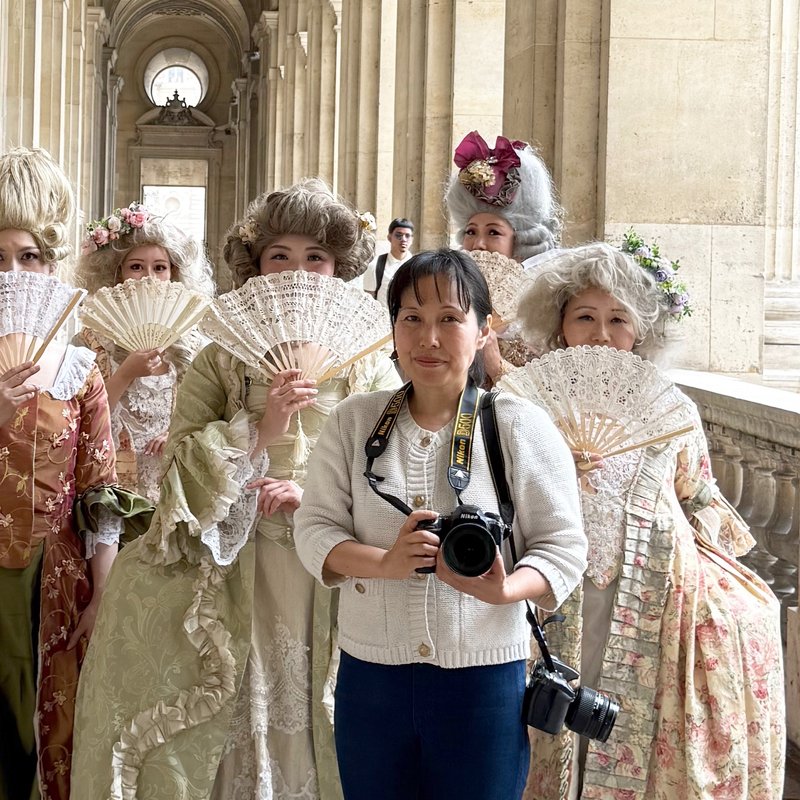
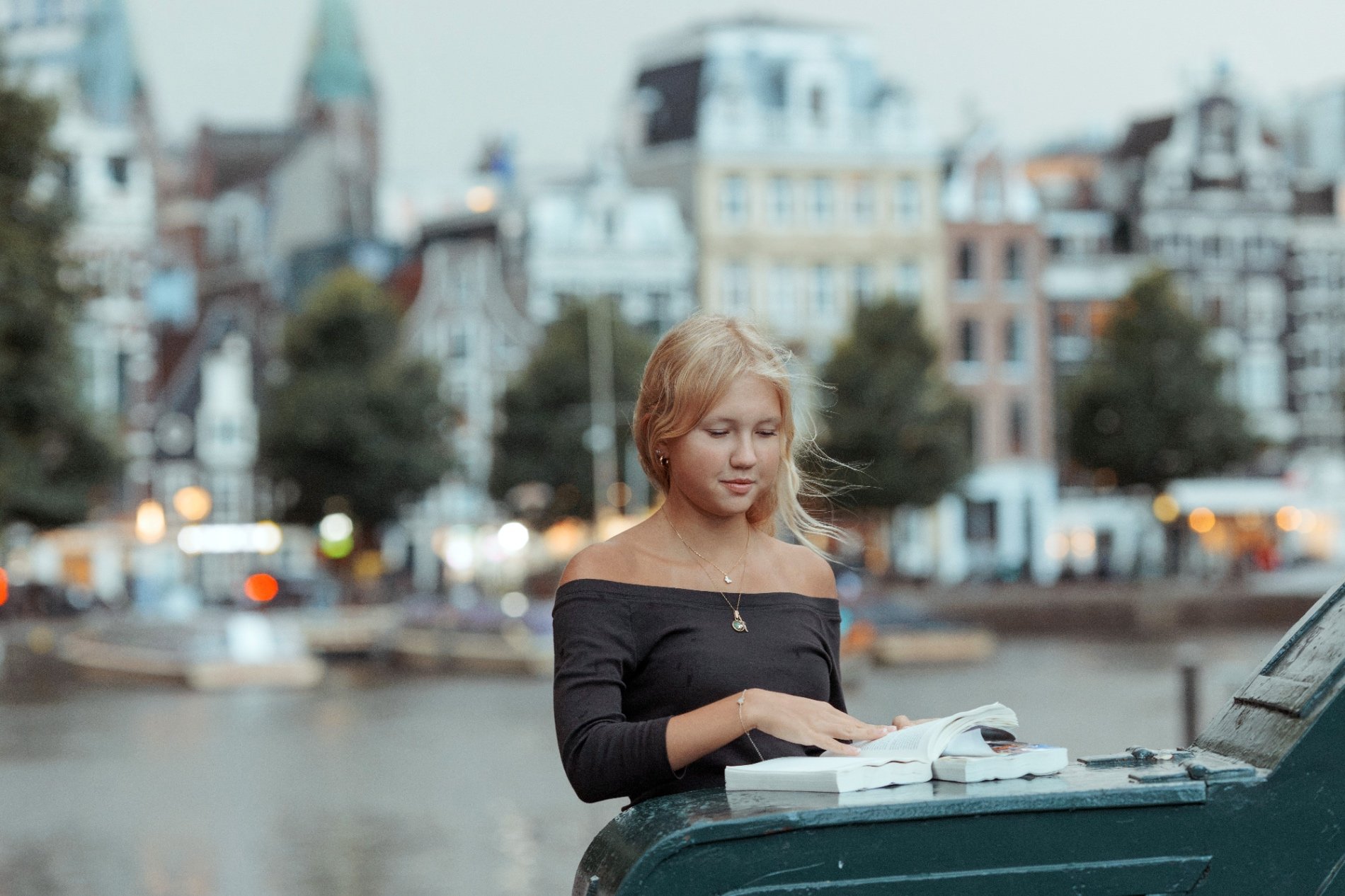
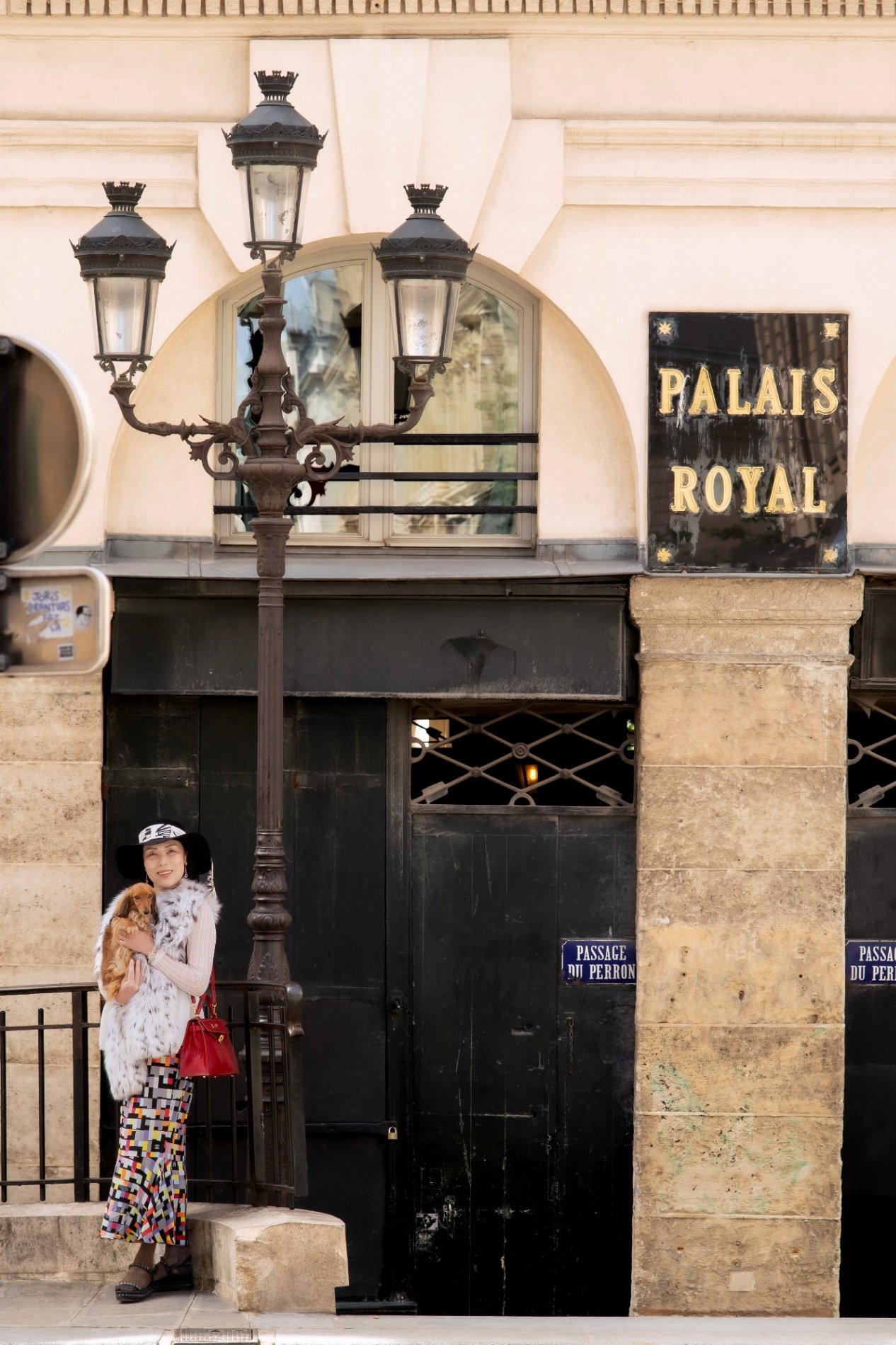
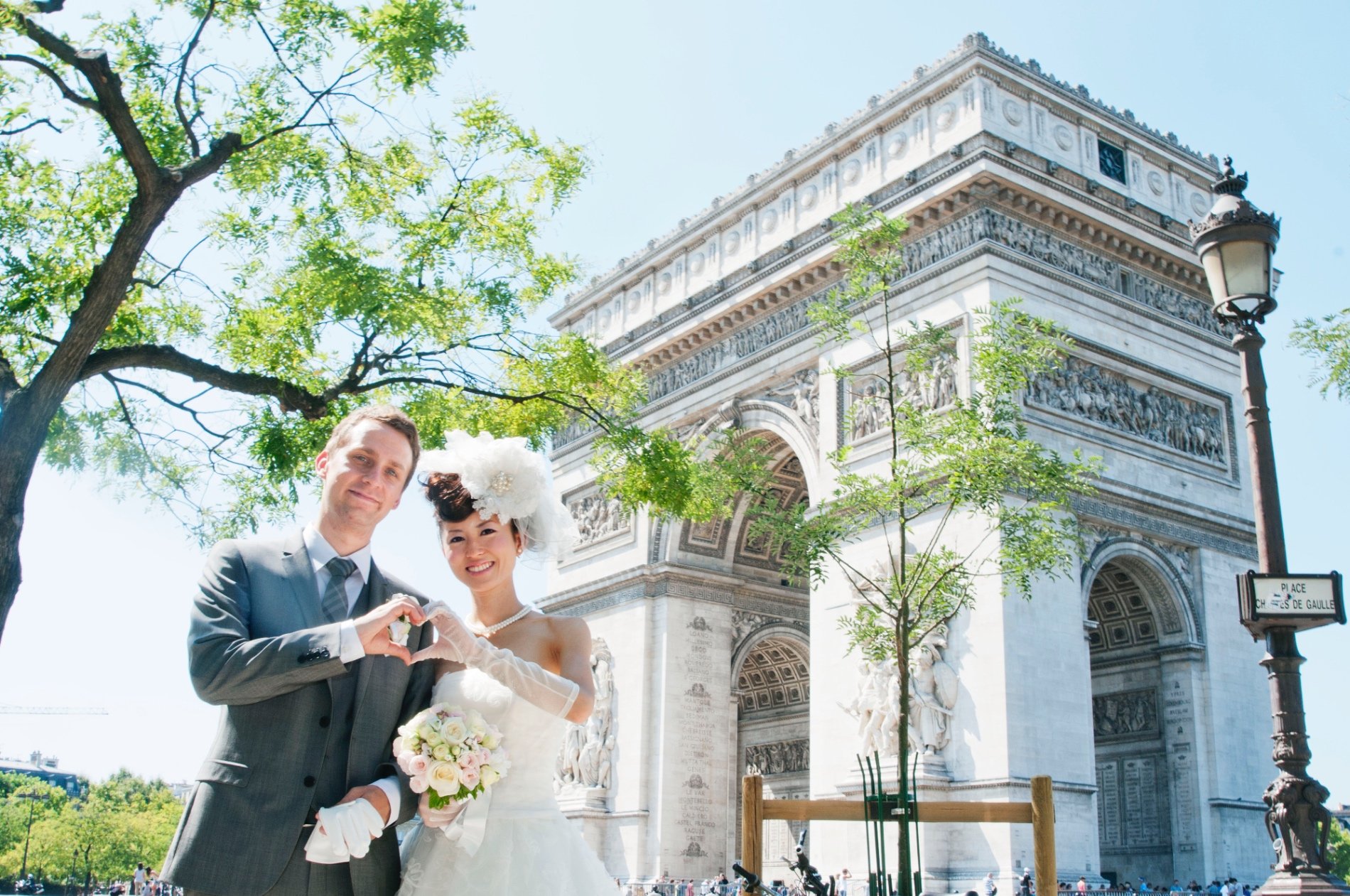
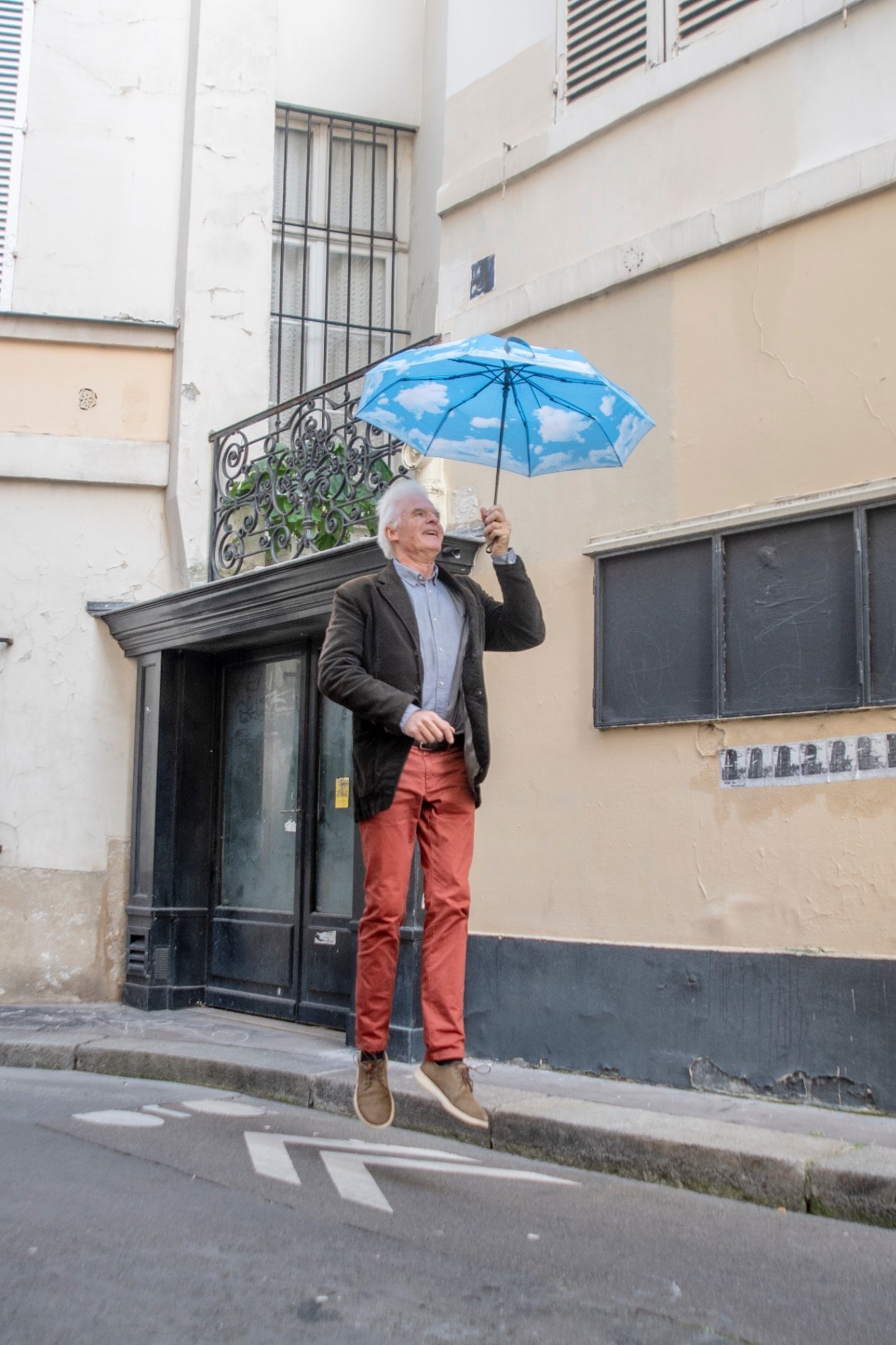
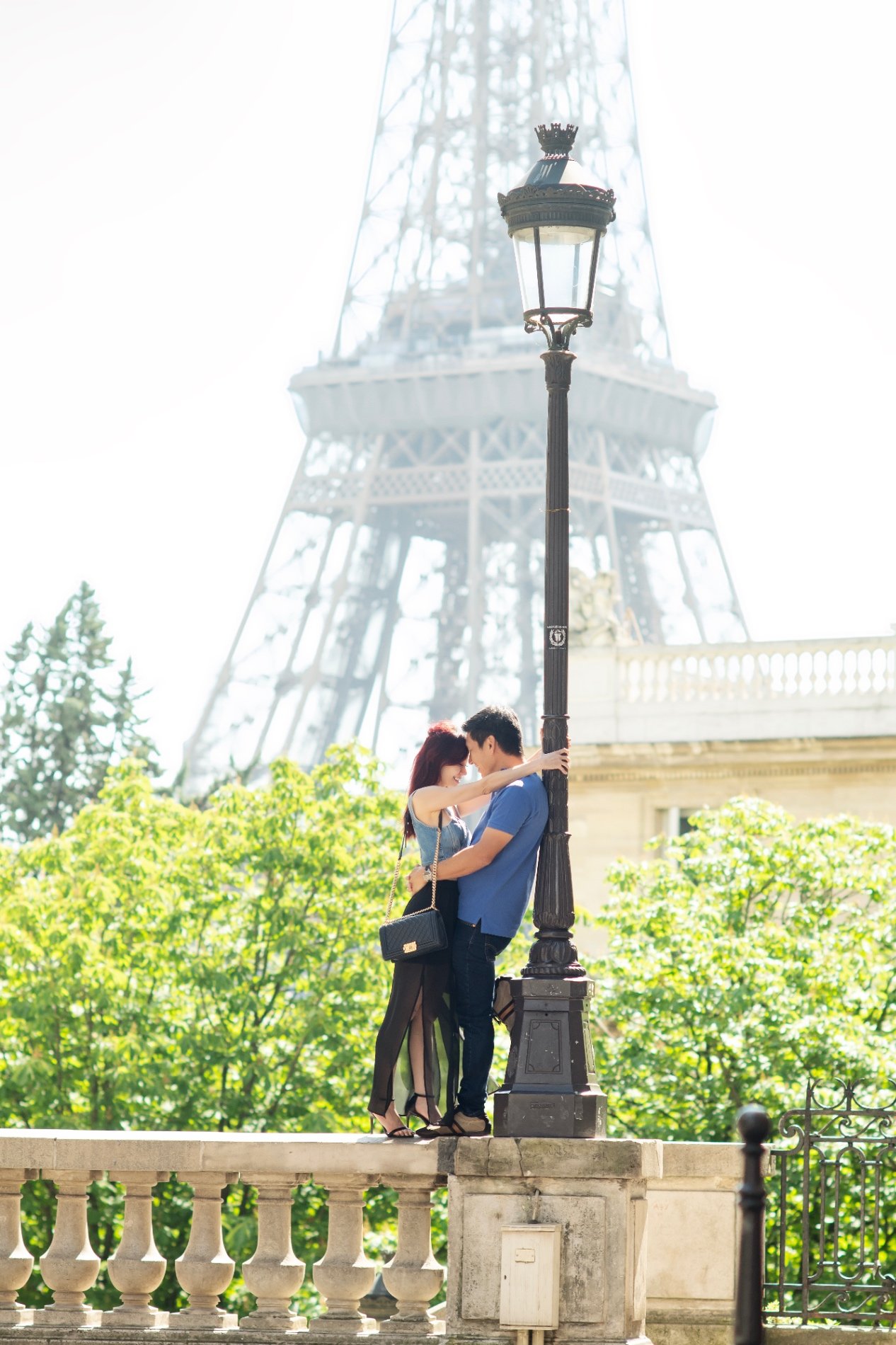
Real shots from Paris
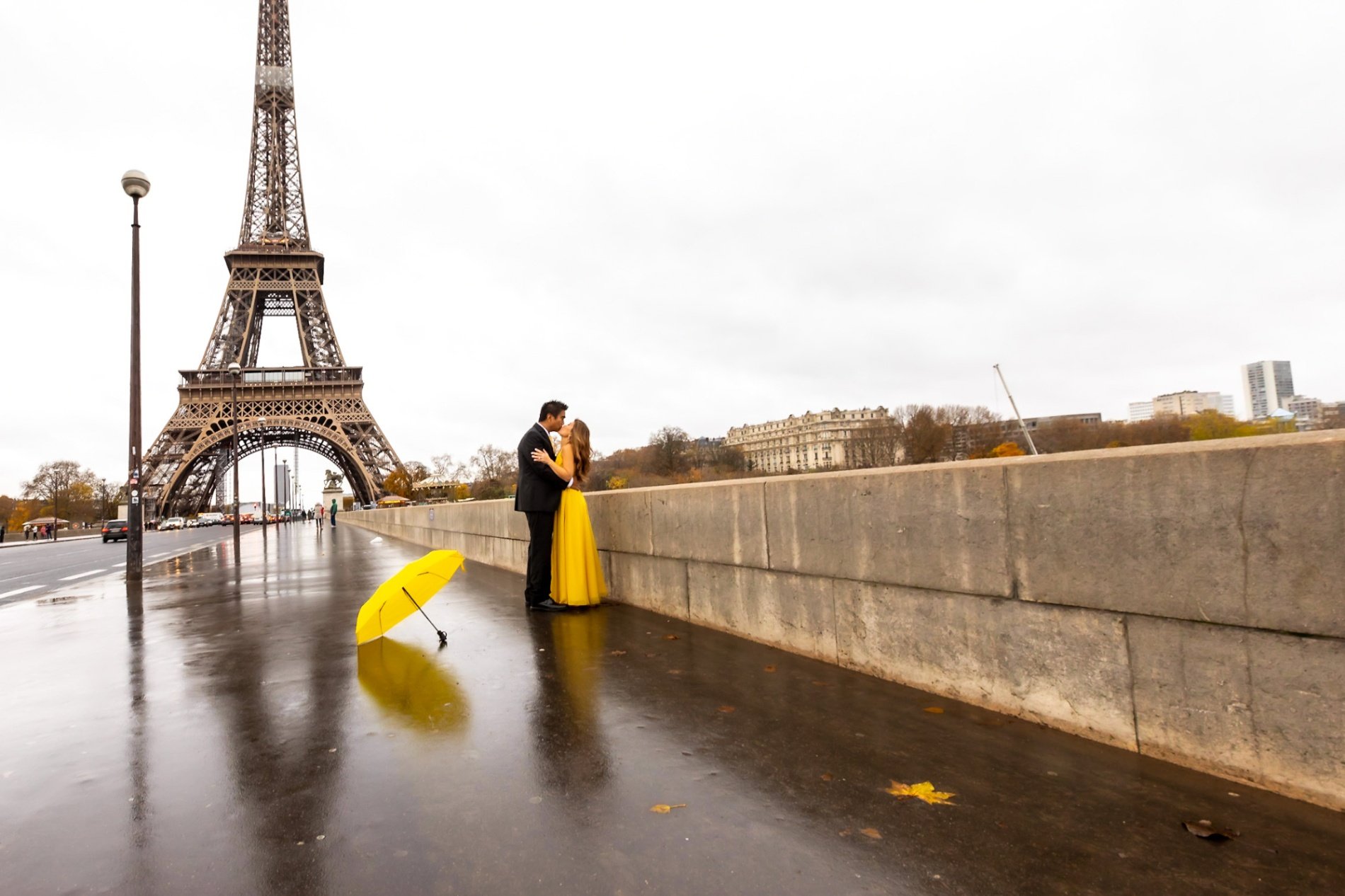
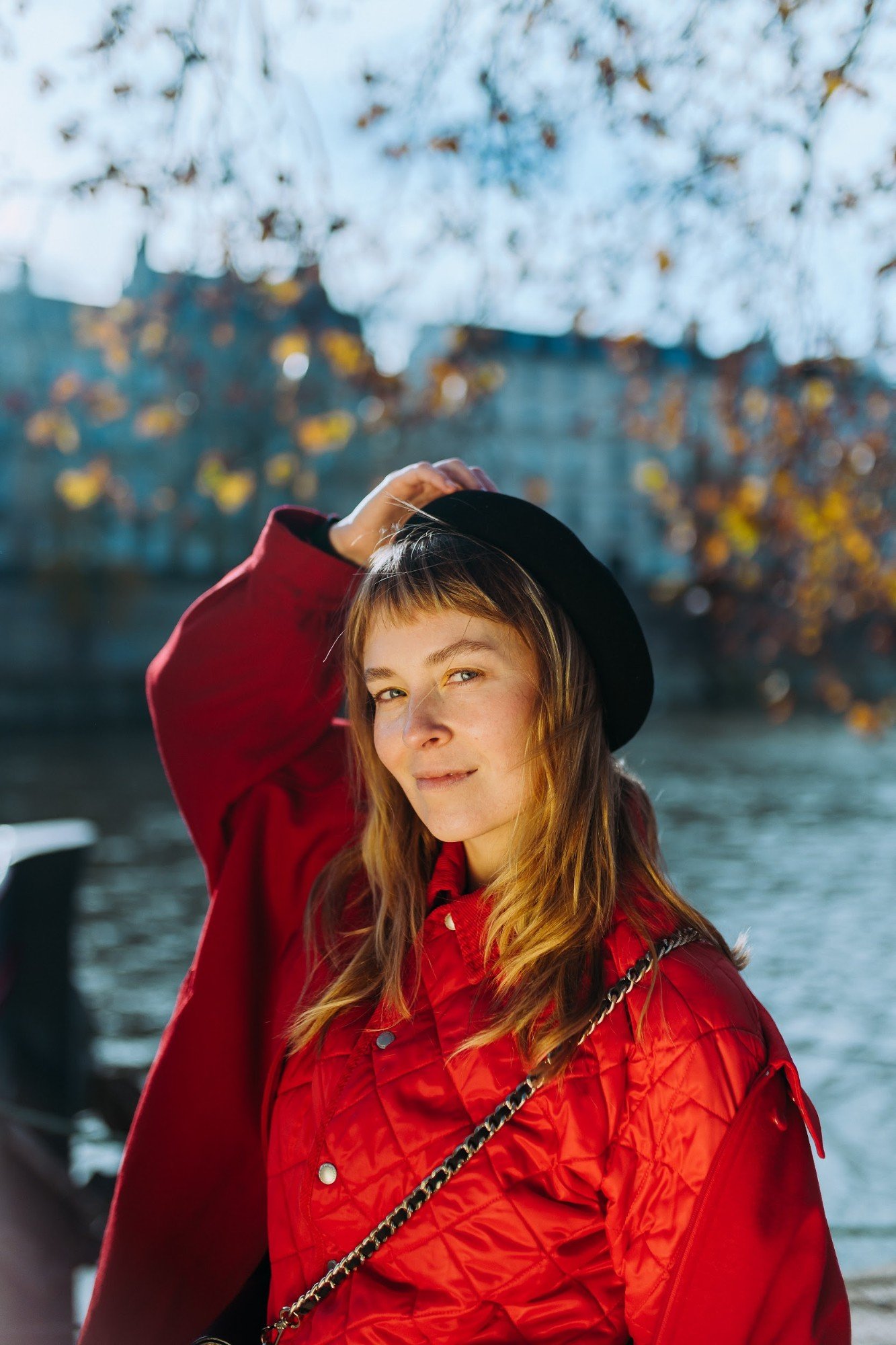
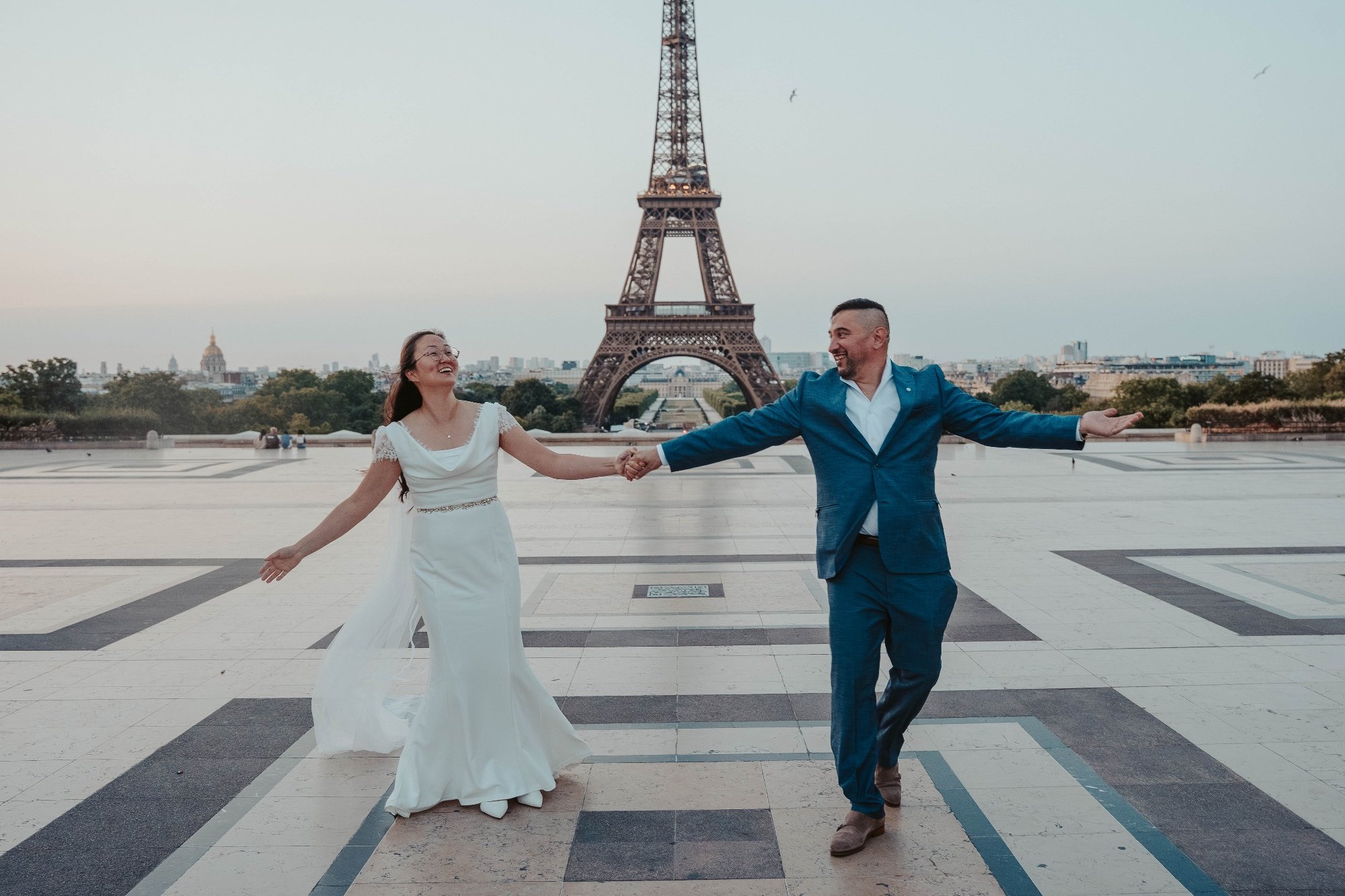
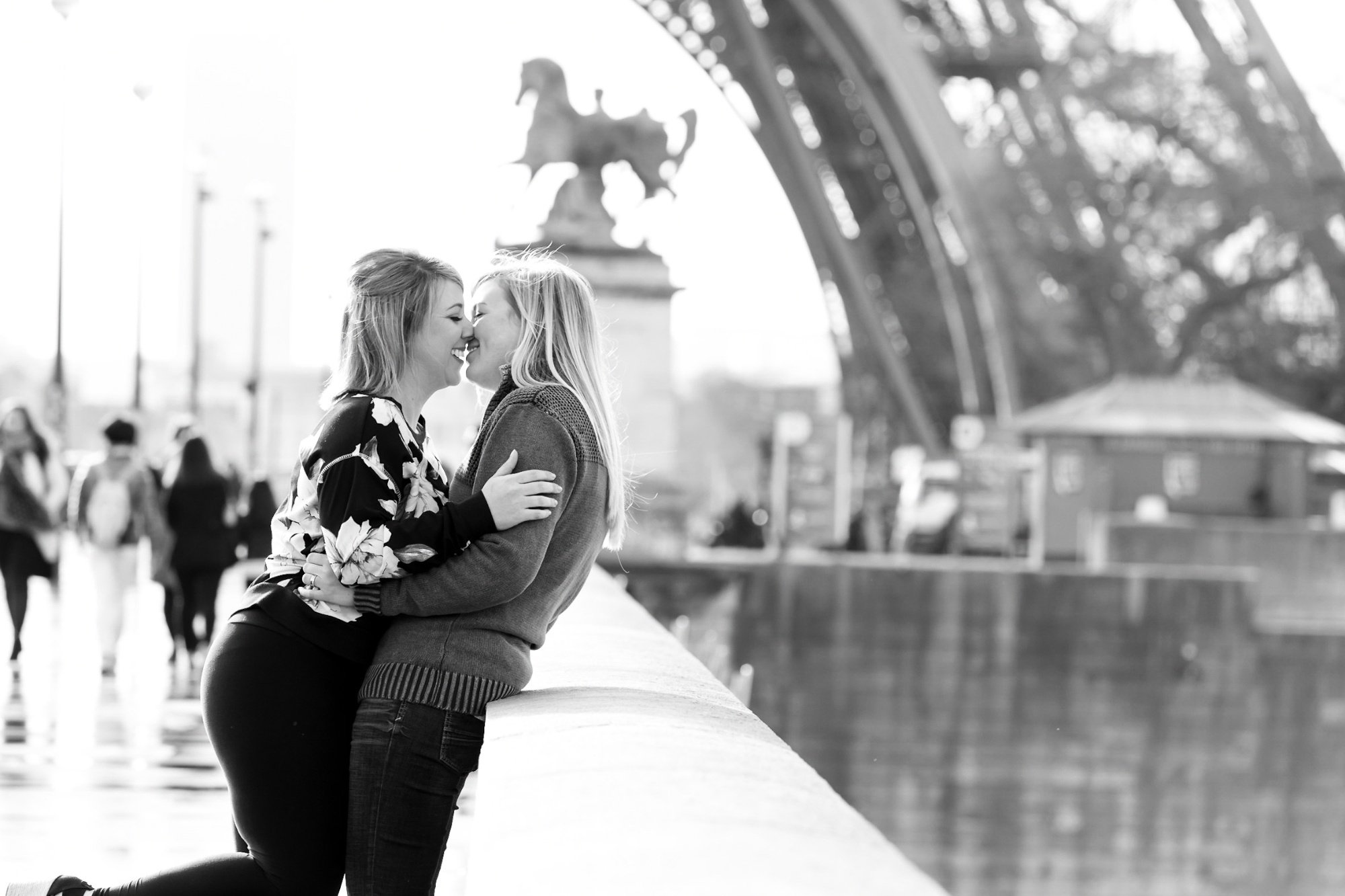
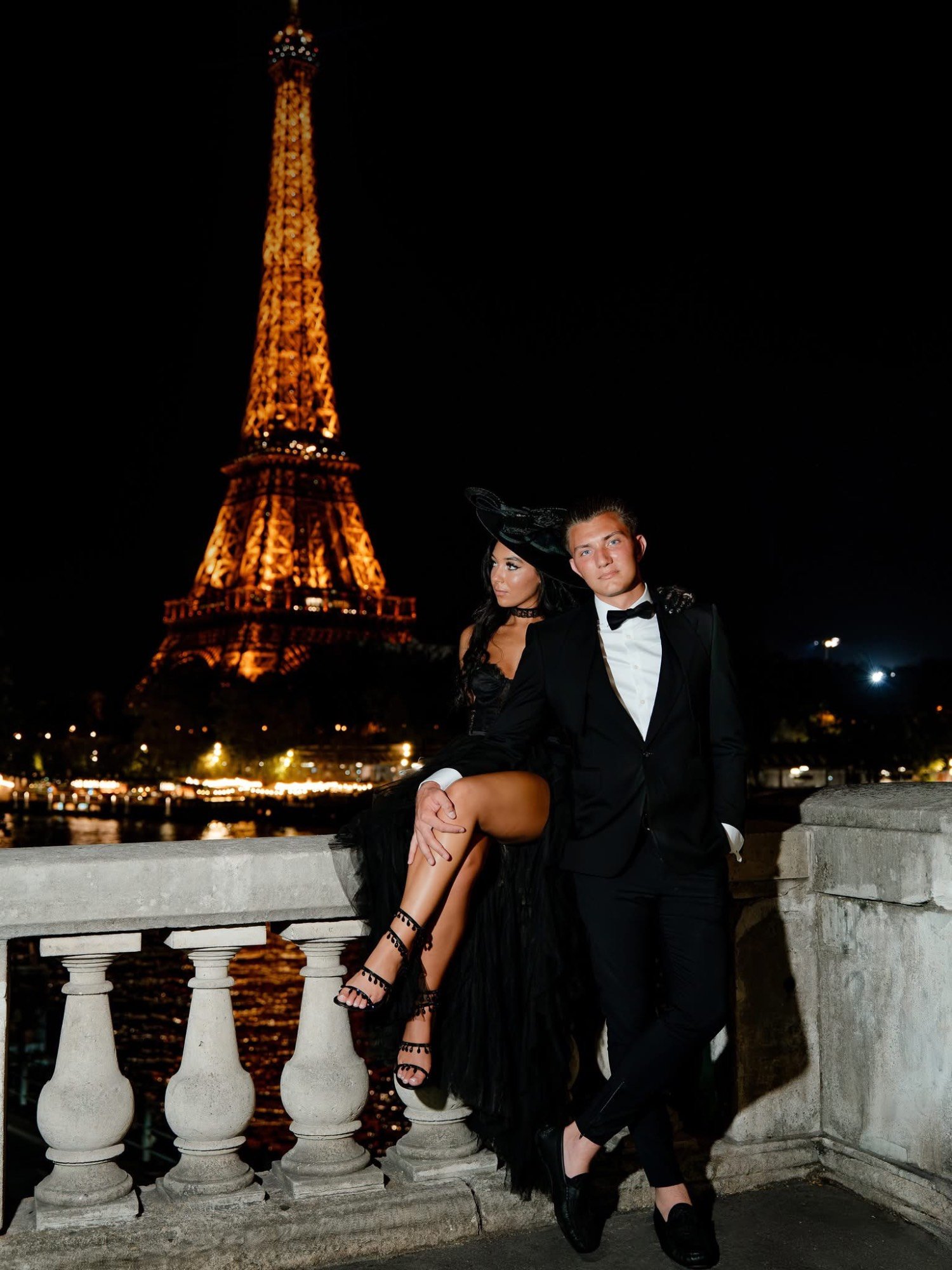
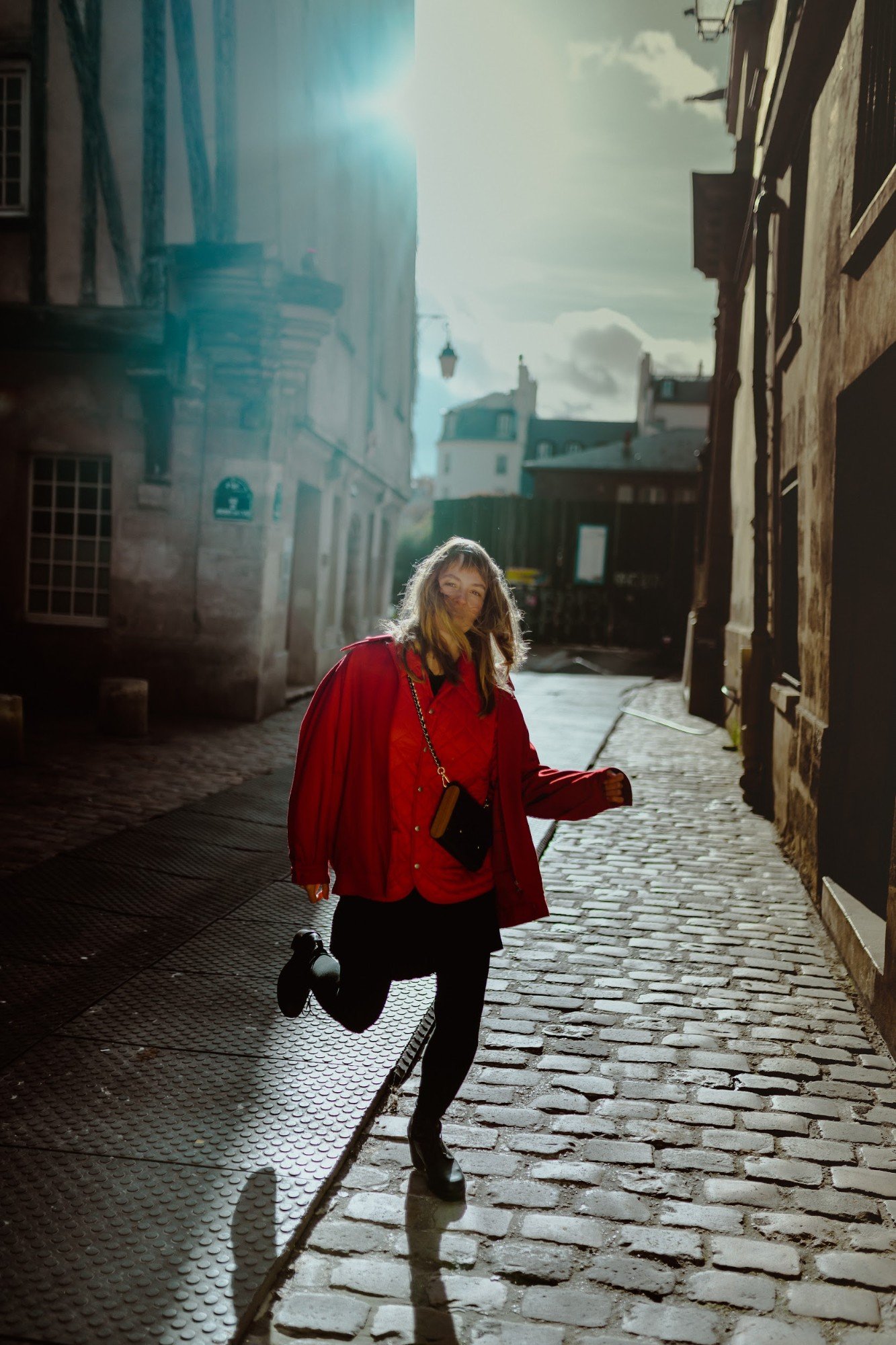
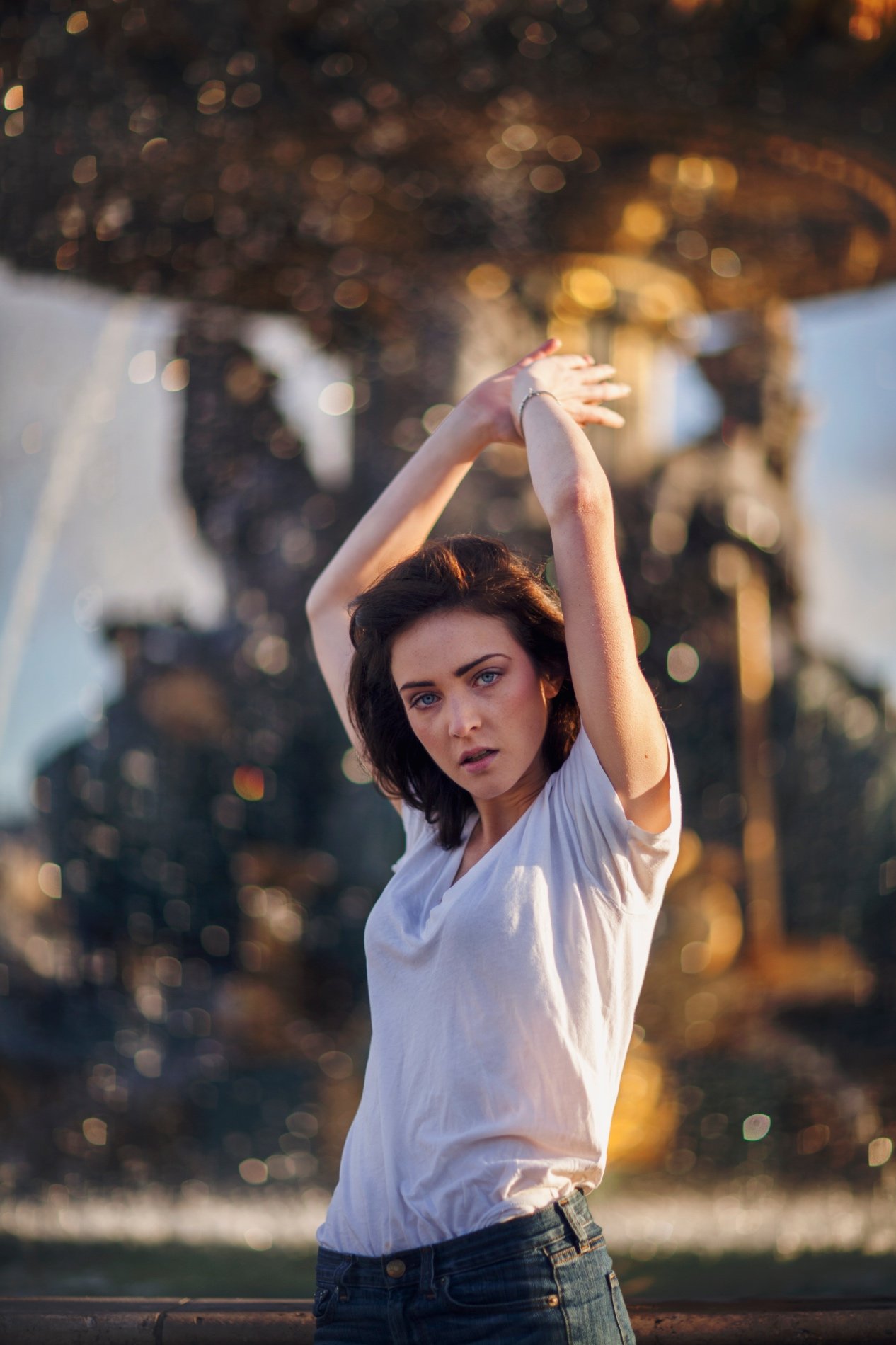
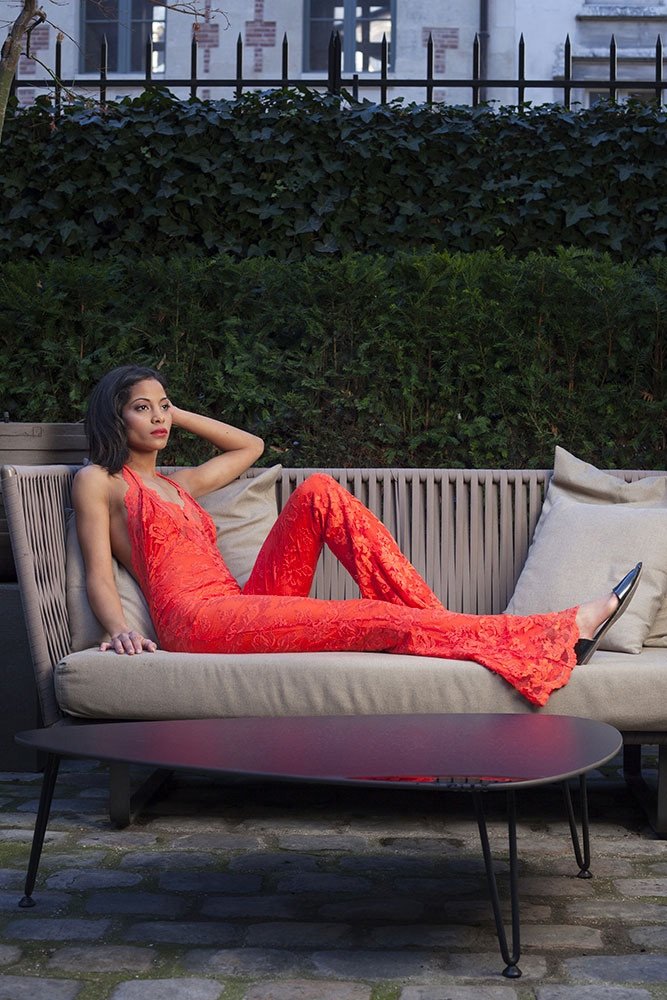
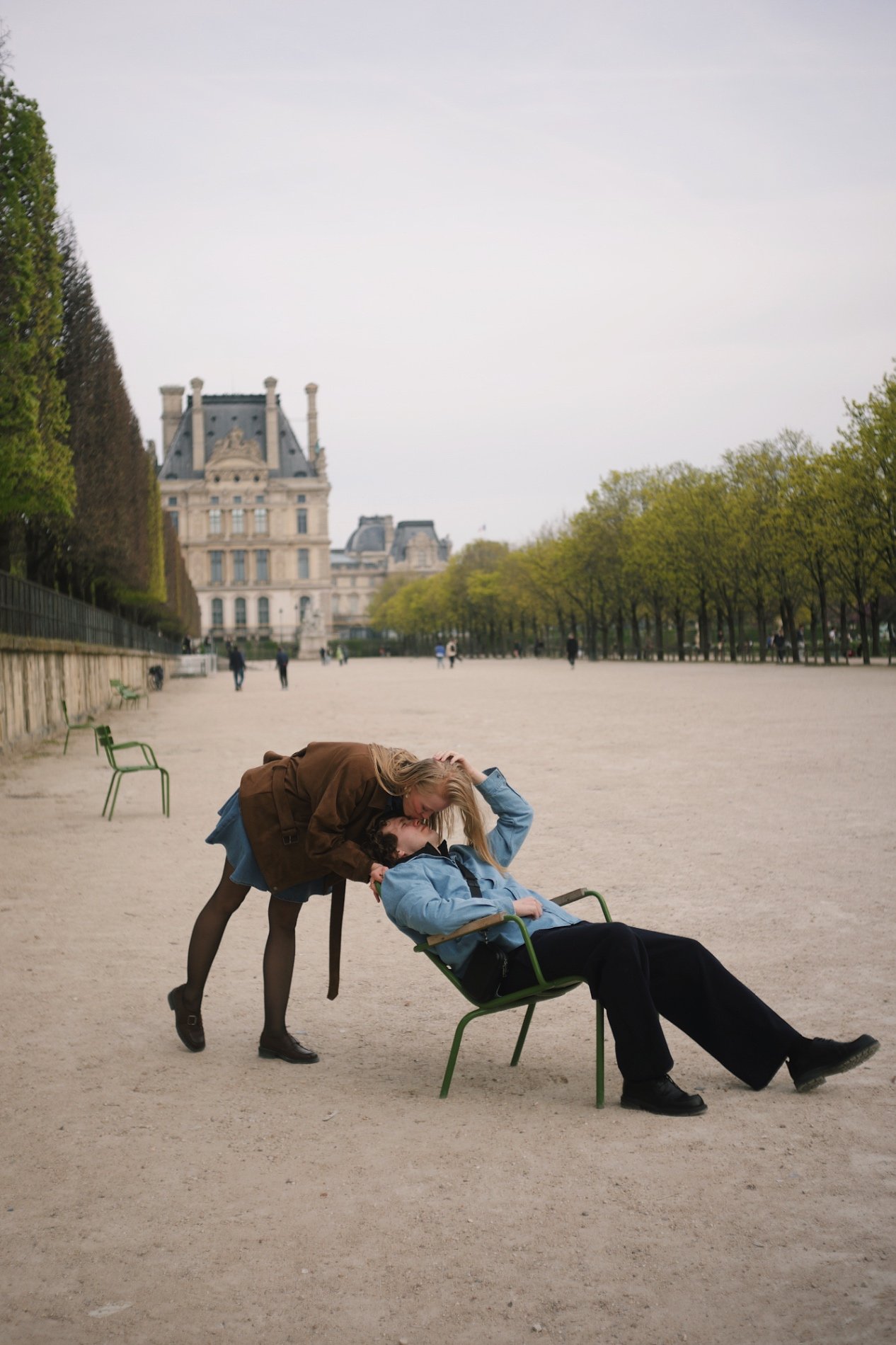
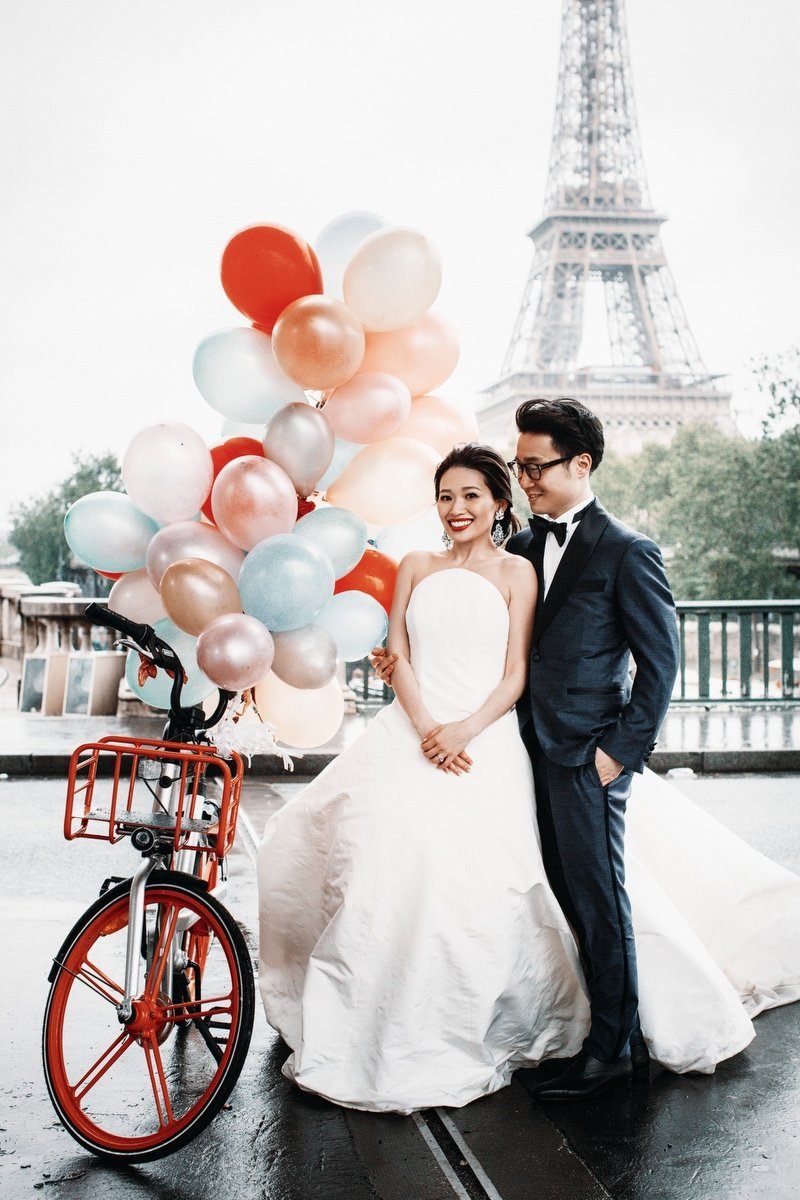
Paris works all year — and winter is underrated
Paris is the one destination where you genuinely cannot pick a bad season. Spring blossoms and autumn foliage get the attention, but winter holds a quiet advantage: blue hour arrives around 5pm. The city's lamps and monument lighting switch on while the sky still holds deep colour — and you're awake, dressed for dinner, and happy to be outside for forty-five minutes. In June, the same show starts near 10pm, when most travellers are done for the day. Winter portraits with coats and scarves photograph beautifully against Paris stone. The trade-off is shorter days and more rain, which the last section of this guide covers.
The Riviera: spring and autumn beat July
The Côte d'Azur sells itself on summer, but July and August midday light is harsh, contrasty and unflattering — squinting eyes, hard shadows, a washed-out sea. In high summer, local photographers shoot very early in the morning or strictly at golden hour, full stop. April to June and September to October give you softer light through more of the day, warm sea colours, and villages you can actually walk through. If your trip is locked to summer, plan the shoot for sunrise or the last hour before sunset, and treat midday as beach time, not photo time.
Provence: the lavender window is short
Lavender is the reason many couples book Provence, so be clear-eyed about it: the bloom runs roughly from late June to mid-July, with variation by altitude and by year. Outside that window you get green or harvested fields — pleasant, but not purple. If lavender is the point of your shoot, build the trip around those weeks and have a photographer confirm field conditions close to the date. If your dates fall outside it, Provence still offers hilltop villages, ochre cliffs and vineyards; just don't expect the postcard.
Alsace: December magic, spring calm
Alsace in December is genuinely magical — half-timbered houses, market stalls, lights everywhere — and it is also the most crowded the region gets all year. Market weekends in Colmar and Strasbourg mean shoulder-to-shoulder lanes; a photographer will steer you toward early mornings to get clean frames. If crowds spoil the mood for you, spring is the quieter alternative: the same painted facades and flower boxes, gentle light, and space to move.
The Alps: two real seasons, and a gap between
The Alps are honest in a way brochures aren't: there is a snow season and a green season, and the shoulder weeks between them are muddy, grey and bare — the least photogenic time in the mountains. Deep winter gives you snow-covered peaks and village lights; summer gives alpine meadows and long evenings. Late spring and late autumn, when the snow is going or the lifts are closed, are the weeks to avoid for photos.
What clients say about this kind of shoot
Christophe took wonderful photos of our wedding. On top of that, it was a real pleasure to have Christophe with us on the big day; he knew how to reassure us in the middle of the whirlwind of the day!
— Yann R. on Christophe T.
Great person to work with, Will definitely recommend him again.
— Client on Joseph J.
A brilliant experience with Amandine! On top of taking really beautiful photos, she is genuinely warm, a good listener, and knows immediately how to put you at ease in front of the lens. I had a great time during the session and there were several shots I fell completely in love with! Thank you again, Amandine, and I wish you plenty of lovely projects ahead — though I'm not too worried about that!
— Ethane M. on Amandine A.
A very professional photographer who knew how to guide us and put us at ease, for a very natural result. Thank you so much!
— Kelly A. on Amandine A.
Joe is absolutely fantastic. Timely and communicative, and the pictures were everything we wanted and more! Highly recommend.
— Nina J. on Joseph J.
Thank you Michi! It's a joy to work with you! It's my second time having Michi take pictures for me. We had good communication plus a good understanding of my style and aesthetics. Looking forward to next year!
— Client on Michi N.
The Atlantic coast: autumn is the strong season
On the Atlantic side, autumn is when the coast comes into its own — bigger surf, dramatic skies, warm low-angle light and far fewer people on the sand. Summer works too, especially at golden hour, but the autumn combination of surf energy and soft light is what local photographers rate highest.
Golden hour moves — check it for your dates
One practical trap: golden hour is not a fixed clock time. In June, sunset in France comes late in the evening; in December, it falls in the late afternoon. A shoot planned "for 7pm" means completely different light in different months. Rather than memorising times, look up sunrise and sunset for your exact dates and location when you book, and let your photographer set the start time from that. It is the single easiest way to guarantee good light.
The August question
August deserves its own warning. It is the month when France itself goes on holiday: tourist sites are at their most crowded, and many local shops and restaurants simply close for weeks. You can absolutely shoot in August — early mornings are your friend — but plan around it rather than being surprised by it.
When it rains anyway
Rain doesn't have to cancel a shoot, and the plans that work are specific: covered passages and arcades keep you shooting while it pours; café windows give intimate, storytelling frames; an umbrella becomes a prop rather than a problem; and wet streets at blue hour reflect every light in the city — many photographers quietly prefer them. Ask for a rain plan when you book, not on the morning of the shoot.
Plan the dates, then book the photographer
The pattern across all of this: the right time depends on the place, and a local photographer knows both. Whether it's a couples session in Paris or a proposal on the coast, browse photographers for your destination, share your travel dates, and let them pick the hour. Shoots start from €299, and the difference between decent light and great light costs nothing extra — it's just planning.
Frequently asked questions
What is the best month for a photoshoot in Paris?
Any month works, and winter is underrated. In winter blue hour arrives around 5 p.m., when the lamps and monument lighting switch on while the sky still holds colour, and coats and scarves look elegant against the stone. Spring blossom and autumn foliage are the popular choices, while in June the same blue-hour show only starts near 10 p.m. Expect more rain and shorter days in winter and plan a covered fallback.
When is the lavender in bloom in Provence?
Roughly from late June to mid-July, with variation by altitude and by year. Outside that window the fields are green or already harvested, which is pleasant but not purple. If lavender is the reason for your trip, build the dates around those weeks and ask a local photographer to confirm field conditions close to the day. Provence still offers hilltop villages, ochre cliffs and vineyards in every other month.
Is August a bad month for a photoshoot in France?
Not bad, but demanding. It is the month France itself goes on holiday: tourist sites are at their most crowded and many local shops and restaurants close for weeks. On the Riviera, midday light in August is harsh and unflattering, so local photographers shoot at sunrise or in the last hour before sunset. Plan for early mornings, keep midday for the beach or lunch, and the results can be excellent.
What happens if it rains on the day of my photoshoot?
Rain rarely has to cancel a shoot. Covered passages and arcades keep you shooting while it pours, café windows give intimate frames, an umbrella becomes a prop, and wet streets at blue hour reflect every light in the city. Ask for a rain plan when you book, not on the morning. Photo France's Quick Booking works for any listed region on any date from €299, with a vetted local photographer assigned within 24 hours.
Want professional photos in Paris?
Browse portfolios, compare packages, and book a verified local photographer in minutes.